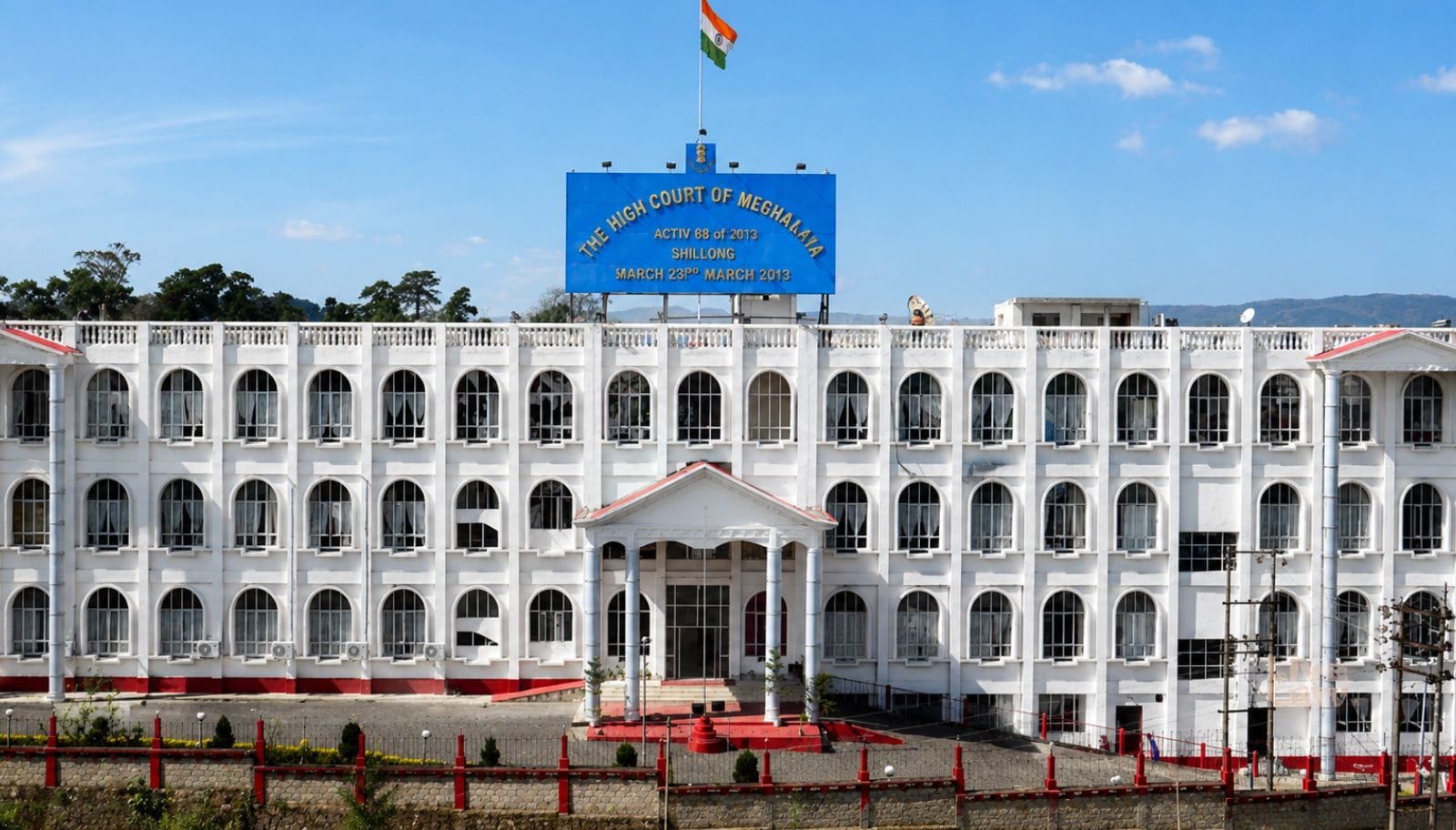
SHILLONG : The Meghalaya High Court on Friday heard a Public Interest Litigation (PIL) questioning the manner in which reservation is being applied to state quota seats in professional courses such as MBBS, engineering, paramedical studies and other higher education programmes.
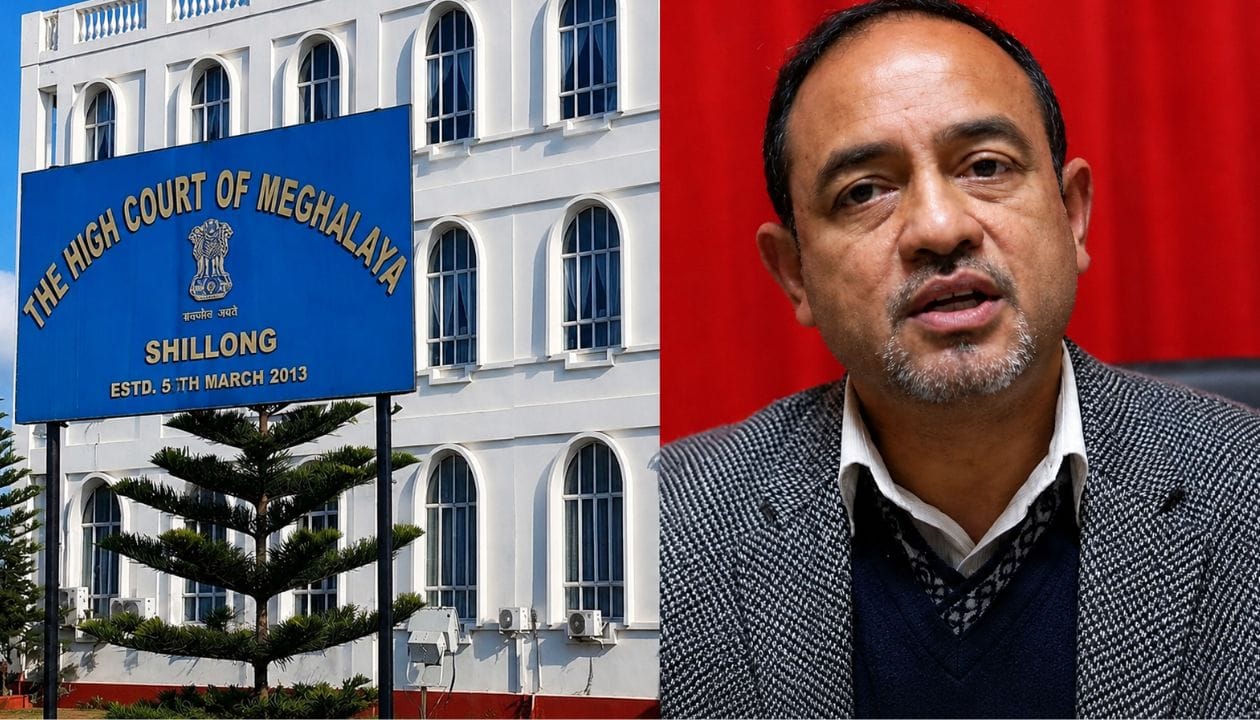
The PIL was filed by North Shillong MLA Adelbert Nongrum, who has challenged the legality of using the State’s Job Reservation Policy while allocating seats meant for students from Meghalaya in institutions outside the state.
The matter came up before a Division Bench comprising Chief Justice Revati Mohite Dere and Justice Wanlura Diengdoh. During the hearing, Advocate General Amit Kumar sought time to file an affidavit on behalf of the state government and also raised questions regarding the maintainability of the PIL.
The High Court granted the request and directed the state government to submit its response before the next hearing scheduled for June 5.
According to the petition, Meghalaya receives a number of state quota seats every year from the central pool for professional courses in institutions located outside the state. These include seats in medical colleges, engineering institutes, architecture programmes, agriculture courses, veterinary sciences and paramedical education.
The PIL argues that while inviting applications for these seats, the authorities have been applying the Meghalaya Job Reservation Policy to divide the seats among Khasi-Jaintia, Garo, other indigenous tribal communities and the unreserved category.
However, the petitioner has argued that no separate law or policy specifically governing reservation in educational admissions has been framed by the state. Instead, the reservation pattern currently followed for higher education admissions is allegedly based on the same framework used for public employment under the state’s job reservation system.
The petition further contends that reservation cannot be implemented without proper statutory backing and constitutional justification. It states that reservation is an exception to the constitutional principle of equality and therefore requires a legally valid framework specifically applicable to educational admissions.
The PIL has also questioned whether a policy framed for government employment can automatically be extended to admissions in professional and academic institutions without separate legislation or notification.
The High Court is expected to examine both the constitutional validity and administrative basis of the current admission process followed by the state authorities for professional course quota seats.