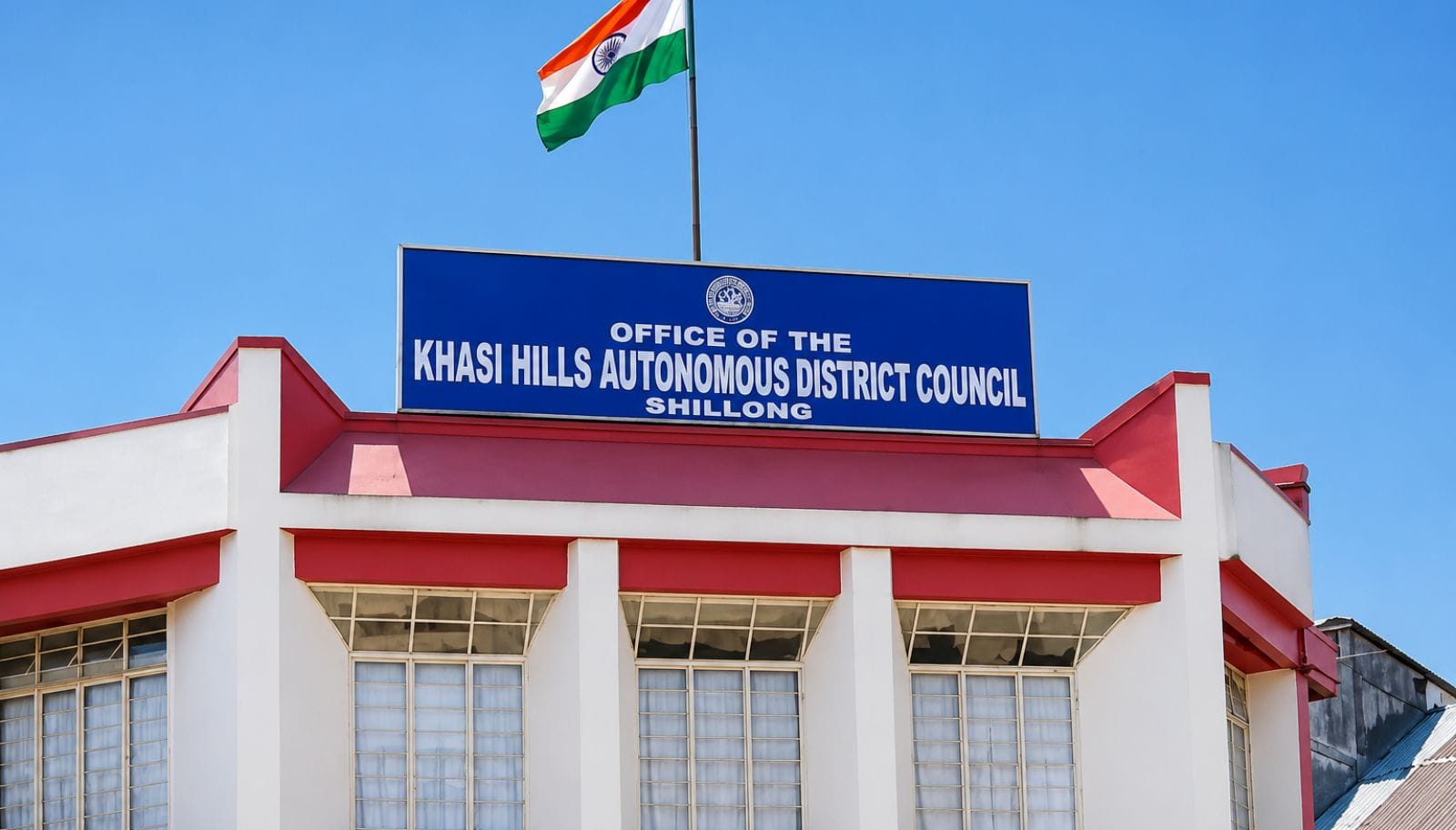
SHILLONG: A public dispute has erupted between the Khasi Hills Autonomous District Council (KHADC) and the Centre of Learning, Knowledge and Services (COLKS) over the long-delayed operationalisation of the ₹9.47 crore Khasi Traditional Medicine Institute at Lum Sohpetbneng, with both sides blaming each other for the project’s failure to take off.
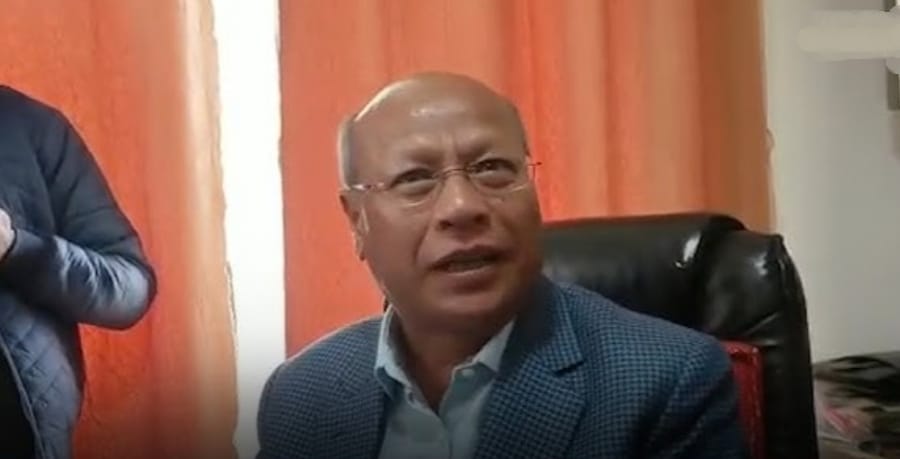
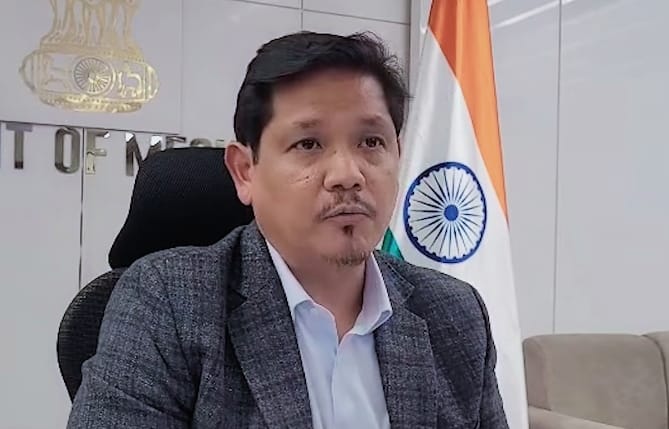
The controversy surfaced after KHADC Chief Executive Member (CEM) Winston Tony Lyngdoh, during the Council’s recent Summer Session, questioned why the institute remained non-functional nearly two years after it was handed over to COLKS. He also expressed concern that the Council had not received revenue under the lease agreement and described the facility as lying neglected. However, COLKS has now rejected those allegations, claiming the institute was handed over in July 2024 without basic infrastructure required to begin operations. The Khasi Traditional Medicine Institute was built by the KHADC at a cost of around ₹9.47 crore with the objective of preserving, promoting and developing Khasi indigenous healing practices. To run the institute, the Council invited Expressions of Interest (EOI) in September 2023 before selecting COLKS to operate the facility under a lease agreement. According to the CEM, despite the significant public investment, the institute has remained non-functional and the Council has not received the agreed annual lease rent. He also questioned the absence of staff and the overall condition of the premises, stating that the project had failed to deliver its intended purpose.
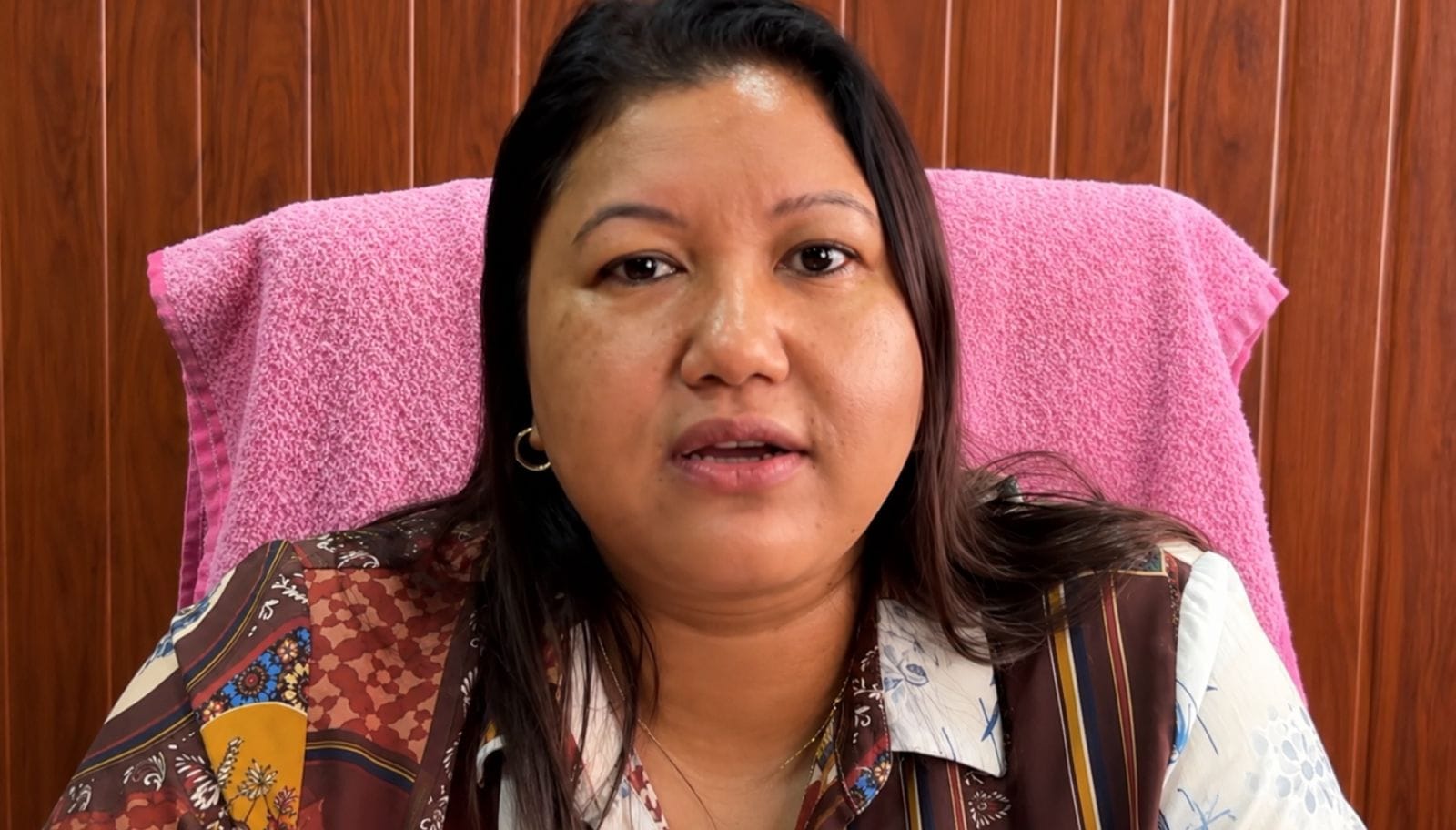
Responding to the Council’s criticism, COLKS said the premises were not ready for operation when they took possession. The organisation claimed the building had no electricity connection, no regular water supply and lacked boundary fencing at the time of handover. It further stated that electricity was connected only in February 2025, while water supply issues continue to affect the campus. Under such conditions, COLKS argued, it was impossible to immediately operationalise the institute. On the issue of unpaid rent, COLKS acknowledged requesting an 18-month moratorium, saying the building’s condition prevented normal operations. Although the rent concession was not incorporated into the lease agreement, the organisation claimed there was a verbal understanding that payment would begin only after the facility became operational. COLKS also attributed further delays to a burglary and a lightning strike, which it said damaged the institute’s electrical system because the building lacked a proper earthing arrangement.
The organisation also rejected allegations that the Khasi Traditional Medicine Commission had been bypassed during the selection process, maintaining that it was chosen through a transparent EOI process initiated before the Commission was reconstituted. While KHADC has maintained that public money cannot remain locked in a non-functional project, COLKS argues that the Council handed over an incomplete facility and later became unresponsive to repeated requests regarding pending infrastructure issues.
The dispute has now shifted attention from the institute’s intended role in promoting Khasi traditional medicine to questions over accountability, project execution and whether the facility was ready before it was leased out.