The upcoming delimitation exercise may not change Meghalaya’s seat count, but it could reshape its influence in a larger Parliament.
New Delhi, April 17 : How delimitation could affect Meghalaya’s political representation, why population size plays a crucial role, and what it means for the state’s voice in Parliament are questions gaining attention as India moves closer to the end of the delimitation freeze after 2026.
While much of the national debate has focused on larger states, the implications for Meghalaya remain distinct and equally important.
At present, Meghalaya has two Lok Sabha seats, with a population of around 3.5 million. Compared to larger states, its population growth has been relatively modest, which directly affects its prospects in any population-based seat redistribution.
Read Also: Why TCS Nashik Case Is Raising Serious Questions Across India
Since delimitation primarily depends on population figures, the likelihood of Meghalaya gaining additional seats remains low. In practical terms, the state is expected to continue with its existing representation.
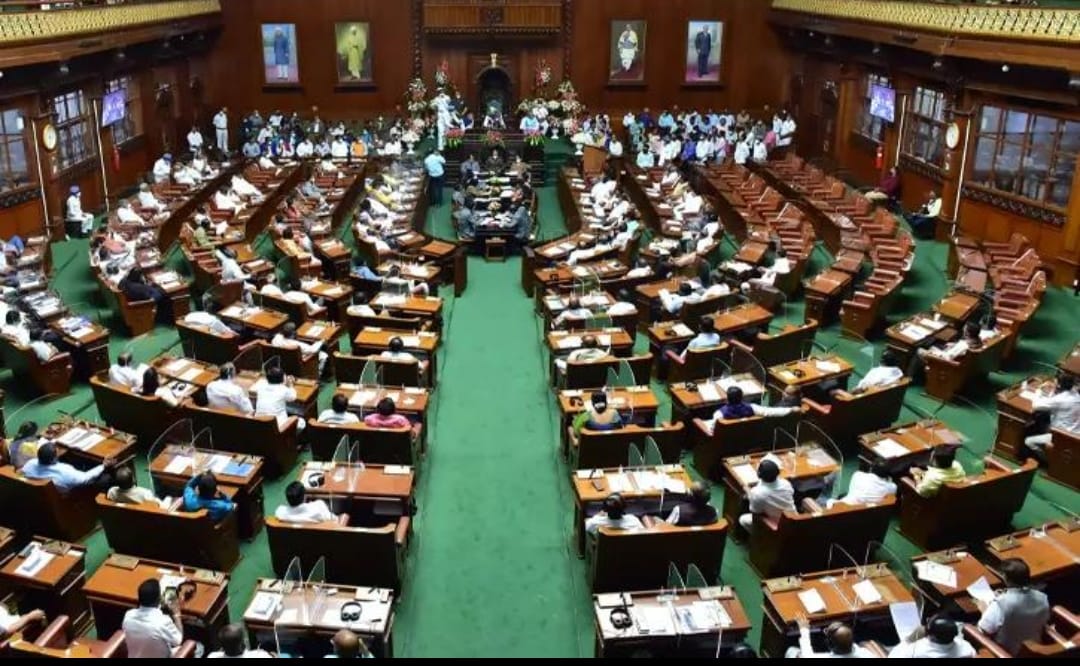
However, the more significant concern lies not in the number of seats, but in the state’s relative influence. If the Lok Sabha expands to around 800 or more seats, Meghalaya’s share in Parliament will decline proportionally, even if its seat count remains unchanged.
This shift could have broader implications. A reduced share in a larger House may translate into a weaker voice in national debates and policy decisions, particularly as larger states gain increased representation.
For smaller states like Meghalaya, this creates a challenge of maintaining visibility and influence in an increasingly competitive political landscape.
At the same time, Meghalaya continues to benefit from constitutional safeguards, including Sixth Schedule provisions that protect tribal land, governance systems, and local autonomy.
These mechanisms ensure that internal structures remain intact, even as national-level representation evolves.
Ultimately, the delimitation debate for Meghalaya is less about gaining or losing seats and more about sustaining relevance.
As Parliament grows in size, the real challenge will be ensuring that smaller states continue to be heard and represented effectively within India’s broader democratic framework.
Read Also: Amit Shah Vows to Seal Eastern Borders, Targets Infiltration in Bengal