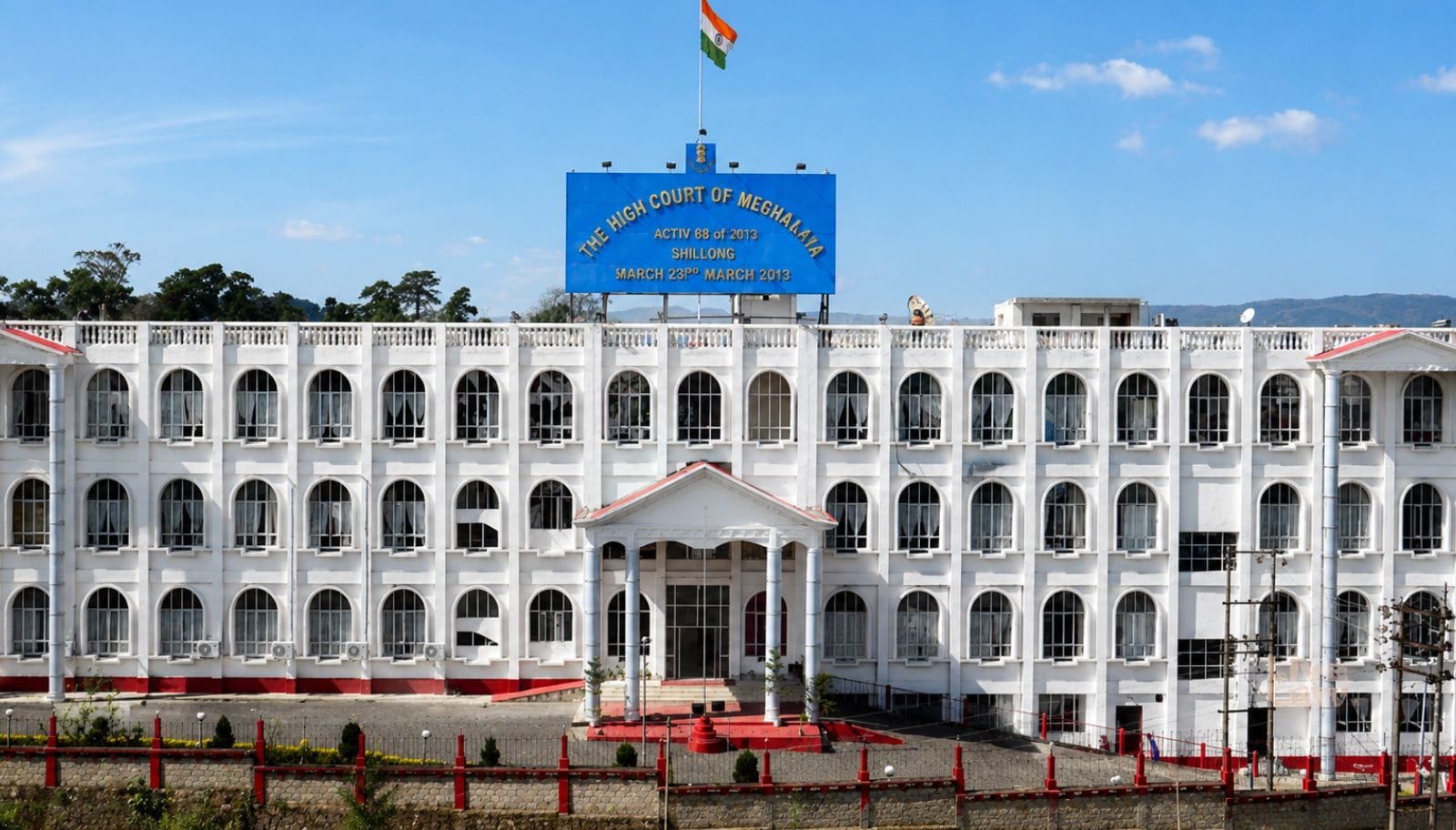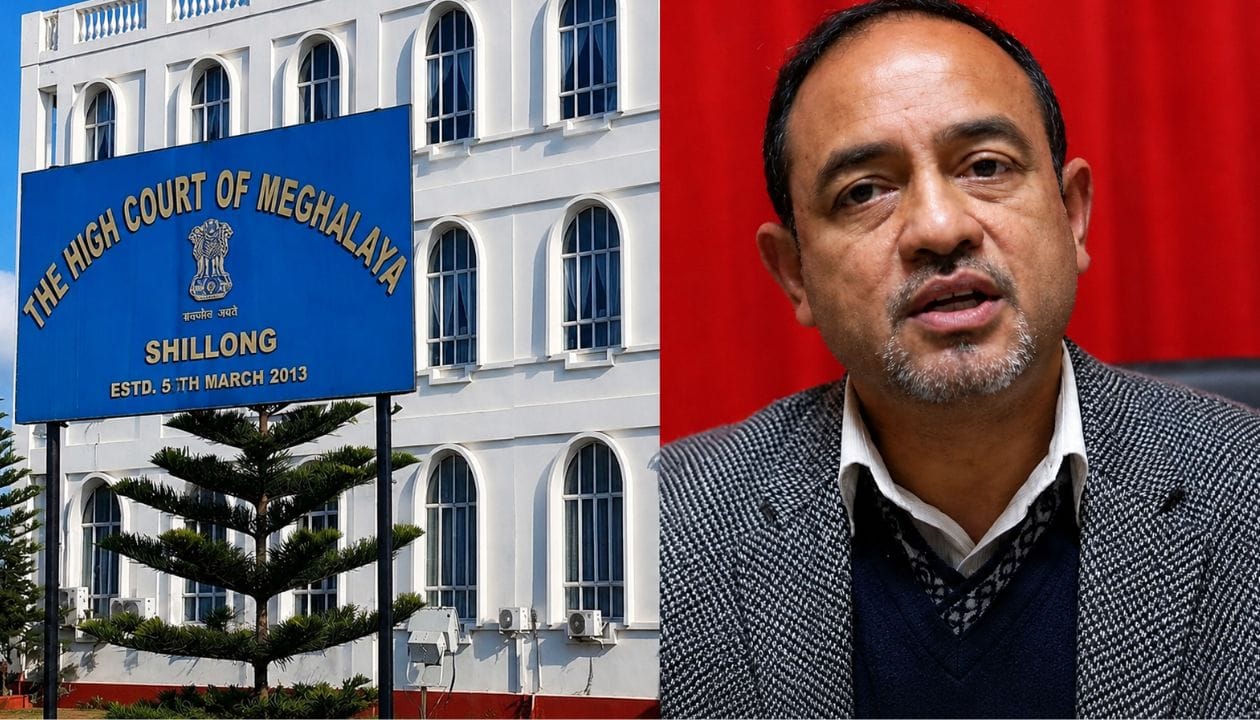
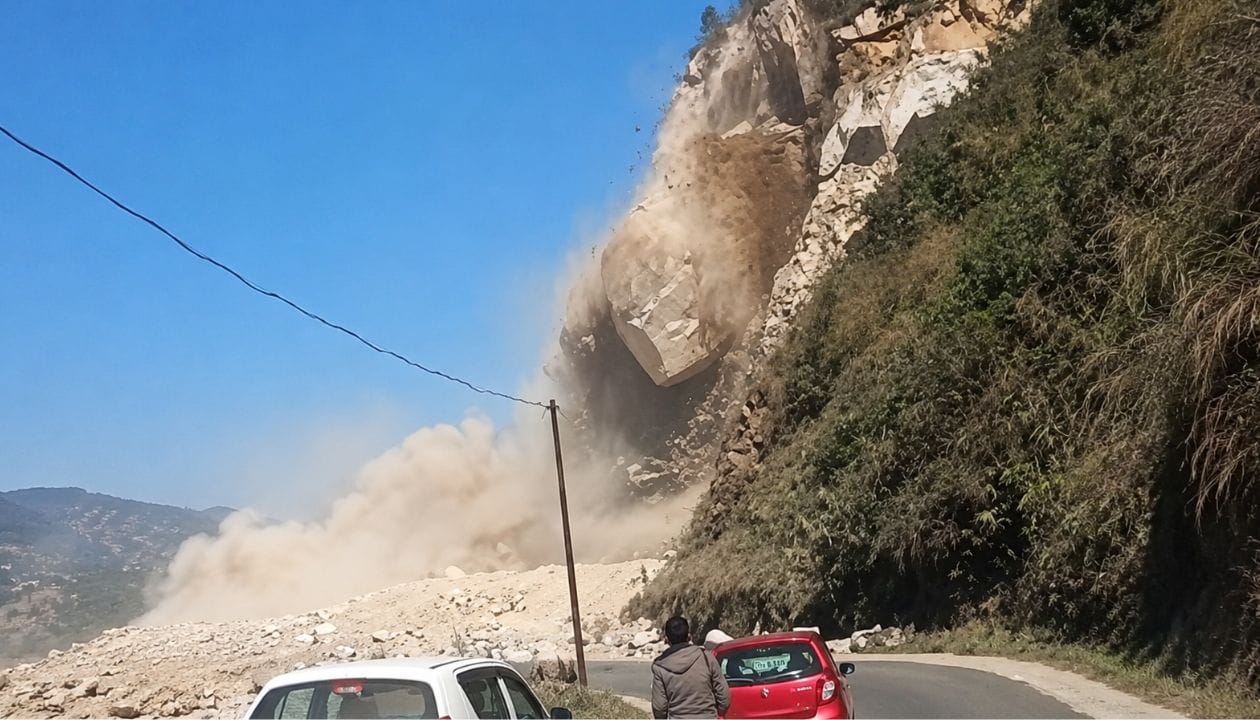
SHILLONG : The Meghalaya High Court has sharply criticised the execution of the ongoing Shillong-Dawki road project, observing that the manner in which the construction work is being carried out is unsafe, poorly planned and dangerous for commuters.
Hearing a Public Interest Litigation (PIL) on the condition of the road, a Division Bench comprising Chief Justice Revati Mohite Dere and Justice Wanlura Diengdoh said the work appeared to be carried out in a “shabby and unscientific manner”, with both the contractor and NHIDCL sharing responsibility.
The court was informed that compensation of Rs 4 lakh and Rs 6 lakh had already been paid to the families of two persons who died after a boulder fell onto their vehicle along the Shillong-Dawki road.
During the hearing, Amicus Curiae Philemon Nongbri submitted findings from an inspection conducted on May 14, 2026.
The report described several stretches of the road as being in extremely poor condition, with loose mud, rock debris and damaged surfaces making the route difficult and risky for vehicles. It also pointed to the absence of proper barricades near deep excavation zones and valley edges.
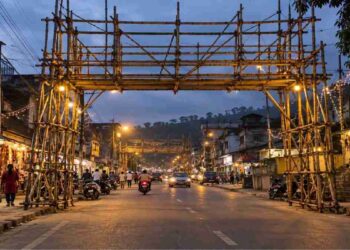
In place of strong safety barriers, the contractor had reportedly used thin wooden poles tied with caution tape. The report further stated that warning signs along the route were inadequate and poorly installed.
Messages such as “landslide prone area” and “drive slow” had allegedly been displayed on flex banners instead of standard road safety boards. Despite heavy fog conditions in the area, the inspection found no proper reflectors, luminous markers or delineators to guide vehicles at night or during low visibility.
The court was also informed that there were no proper advance warnings near operating machinery and that loose rock debris had not been cleared as required under Indian Road Congress guidelines.
Read Álso : Shillong–Dawki Road landslide: Two dead after boulder crushes Bolero in Mawlieh
According to the inspection findings, the overall condition of the project had created fear among commuters and led to a noticeable drop in traffic movement along the route.NHIDCL, through Deputy Solicitor General of India Nitesh Mozika, submitted another report prepared by hill road expert Ashish D. Gharpure.
The expert reportedly criticised several aspects of the project, including narrow right-of-way areas, poor drainage planning, unstable hill cutting and lack of proper slope protection.
He warned that continuing construction in such a manner could result in major damage, higher project costs and possible loss of human lives.
The High Court also observed that the project’s Detailed Project Report (DPR) itself appeared flawed and noted that the contractor seemed to have been chosen more on financial grounds than technical expertise in hill road construction.
The bench directed NHIDCL to place the expert findings before its top authorities, including the Chief Secretary of Meghalaya, for immediate corrective action.
The court further ordered authorities to replace temporary flex banners with proper retro-reflective traffic signs, install strong barricades in vulnerable stretches and clear loose mud to restore safe driving conditions. It also directed deployment of trained flagmen equipped with communication devices and reflective safety gear near heavy machinery zones.
The Advocate General was instructed to coordinate with police authorities to ensure smooth traffic regulation, while the government and NHIDCL were also asked to explore the possibility of placing ambulances at key locations along the route.