Mawkhar Presbyterian Church has for years occupied an important place within Shillong’s Presbyterian community. Known not only for worship services but also for educational and social activities, the church has remained closely connected to religious life in Meghalaya.
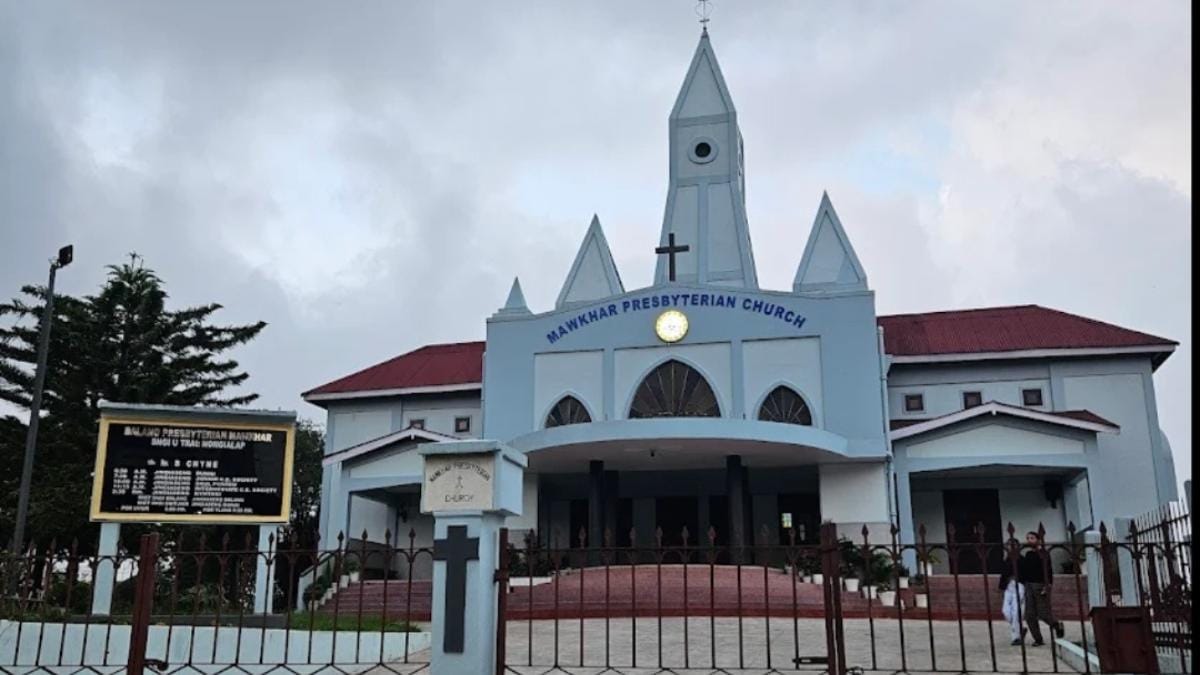
For decades, Mawkhar Presbyterian Church has long remained one of Shillong’s prominent Presbyterian congregations. In recent years, however, disagreements over church finances, audit findings and leadership decisions have steadily divided sections of the congregation.
Beyond worship services, the church became associated with educational support, charity work, mission activities and community engagement within Meghalaya’s Presbyterian society.
Today, however, the congregation finds itself at the centre of one of the state’s most prolonged and sensitive institutional disputes. What first surfaced in 2019 as concerns regarding financial irregularities has gradually evolved into a wider conflict involving audit findings, police investigations, court proceedings, leadership disagreements, allegations of political interference and public debate surrounding accountability inside religious institutions.
The latest development emerged after the Executive Committee of the church alleged that attempts were being made to interfere in the internal affairs of the congregation amid ongoing disputes linked to financial audits and church administration. At the heart of the controversy lies a larger and uncomfortable question: how should institutions built on faith respond when allegations involving money, governance and trust begin to divide the very communities they were meant to guide?
How the Controversy First Emerged in 2019
Public attention surrounding the church first intensified in 2019 after reports of financial discrepancies linked to church funds began circulating within sections of the congregation.
According to earlier reports published in local media, Income Tax notices reportedly triggered closer scrutiny of financial transactions connected to church collections and deposits. Internal audits later allegedly uncovered serious irregularities involving large sums of money collected over several years.
The issue eventually resulted in an FIR being lodged in August 2019 against church employee Alfast Bareh. Investigators alleged that funds connected to offerings and church-related transactions had been diverted or misappropriated. Reports at the time suggested the alleged amount initially exceeded ₹3 crore before later audit-related discussions placed the figure even higher.
The case shocked many members because contributions made to churches are often sees not simply as financial transactions but as sacred offerings tied to faith, mission work and charity. Several congregation members later questioned how alleged irregularities could continue for years without stronger internal oversight mechanisms.
The controversy also triggered broader concern because Mawkhar Presbyterian Church is not a small local congregation. It occupies a historically influential position within Shillong’s Presbyterian community and remains closely connected to larger institutional networks across Meghalaya.
The Police Investigation and Legal Proceedings
Following the FIR, police investigations continued over the next several years. Reports stated that Alfast Bareh was later arrested and a chargesheet was eventually filed before the court.
The matter remains connected to ongoing legal proceedings that continue to be referenced in current disputes inside the congregation.
The controversy resurfaced strongly in May 2026 after Rev. McDonald Pyngrope filed another FIR under provisions of the Bharatiya Nagarik Suraksha Sanhita (BNSS) the complaint alleged:
- misappropriation of church funds
- fraud
- forgery
- diversion of church resources for personal gain
The FIR further claimed that internal inquiries and legal reviews had identified individuals allegedly connected to the matter and that those involved had previously been given opportunities over the years to clarify their position.
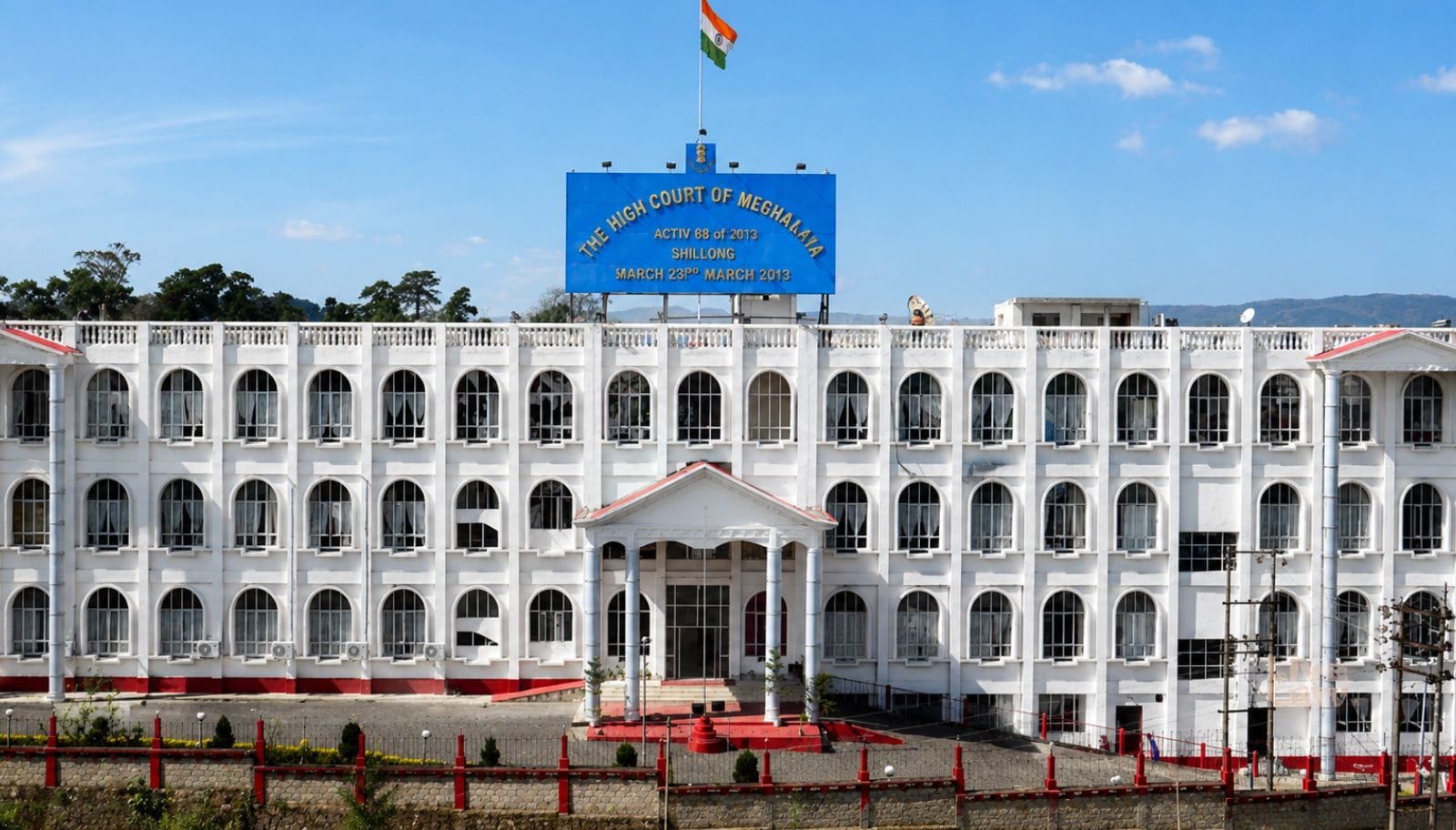
The complaint also referenced a pending 2019 case linked to earlier proceedings before the Court of the Chief Judicial Magistrate.
At present, the allegations remain part of an ongoing legal process and have not been conclusively determined by any court.
Why the Issue Expanded Beyond Financial Allegations
Over time, the controversy gradually evolved beyond accounting questions.
What initially appeared to be a dispute concerning alleged financial irregularities slowly became a deeper institutional conflict involving:
- leadership disagreements
- disciplinary measures
- administrative authority
- accountability demands
- and divisions regarding how the church should respond publicly to criticism
Different groups inside the congregation began expressing sharply different positions regarding transparency and governance. Some members argued that unresolved audit findings required stronger accountability and public clarity. Others maintained that prolonged public disputes risked damaging the spiritual unity and reputation of the church itself.
The disagreement eventually became emotional because churches within Khasi society often function not only as religious institutions but also as social anchors shaping education, community welfare and public morality.
For many ordinary believers, the issue therefore became larger than finances alone. It evolved into a question of institutional trust. Also for many elderly members who had donated to the church for decades, the allegations created quiet discomfort rather than public anger.
The Growing Public Debate Between 2023 and 2025
By 2023 and 2024, the controversy had increasingly entered public discussion beyond church circles. Local opinion pieces, letters and public commentary began raising questions regarding:
- transparency
- accountability
- audit disclosures
- internal disciplinary actions
- and the handling of financial controversies
Retired IAS officer Toki Blah, who has frequently written on governance and public accountability in Meghalaya, remarked in a public commentary that “Church politics is a thousand times dirtier than State politics.” The statement reflected growing frustration among sections of the public who believed prolonged internal conflicts were damaging trust in institutions traditionally associated with moral guidance.
At the same time, many congregation members continued urging restraint and caution, arguing that public hostility and sensationalism could deepen divisions within the church. Some members insisted accountability and faith should not be treated as opposing values. Others maintained that unresolved allegations concerning church funds could not simply disappear through silence or internal compromise.
The dispute also revived uncomfortable discussions regarding how religious institutions handle financial management, transparency and internal criticism in the modern era.
The 2026 Escalation and Allegations of Political Interference
The controversy escalated sharply in early 2026. The Executive Committee of Mawkhar Presbyterian Church publicly alleged that attempts were being made to politically influence the internal affairs of the congregation. According to the committee, a faction allegedly linked to the Khasi Jaintia Presbyterian Synod Sepngi (KJP Synod Sepngi) had approached influential political figures in an attempt to interfere in church administration.
The committee claimed the alleged efforts were connected to attempts to suppress findings emerging from special audit reports linked to financial irregularities. These allegations introduced a highly sensitive political dimension to the controversy because they raised concerns regarding the relationship between religious institutions and political influence.
No independent authority has publicly verified the allegations of political interference at this stage. The issue nevertheless generated significant attention because Presbyterian institutions continue to hold major social influence within Khasi society.
However, the Executive Committee of Mawkhar Presbyterian Church later clarified that it had not officially issued any press statement alleging political interference in the church’s affairs.In a clarification responding to reports published in local media.
The church secretary Elder Geraldton Pakma stated that the committee had neither authorised nor released any official statement on the matter.
Despite the clarification, sources within the congregation continued alleging that attempts were being made to influence the handling of the ongoing dispute linked to audit findings and alleged misuse of church funds. The congregation meanwhile remains divided into different factions over questions of accountability, transparency and the handling of the controversy.
The Dispute With KJP Synod Sepngi
The conflict took an even more dramatic turn in February 2026 after reports emerged that Mawkhar Presbyterian Church had decided to sever ties with the Khasi Jaintia Presbyterian Synod Sepngi.
According to reports, the decision followed a general meeting of the congregation held on February 1, during which members discussed growing disagreements involving church administration, Synod authorities and the suspension of Rev. McDonald Pyngrope.
A letter reportedly sent to the Senior Executive Secretary informed the Synod that the congregation intended to formally part ways with the institution from February 2 onward.
The development carried deep symbolic significance because the KJP Synod Sepngi itself was constituted at Mawkhar Presbyterian Church in 2002. For many members within Presbyterian circles, the reported decision reflected how a dispute that originally centred around audit questions had evolved into a wider institutional and leadership crisis involving authority, trust and governance.
The disagreement also highlighted tensions regarding the balance between local congregational autonomy and broader Synod authority within Presbyterian structures.
Registrar Proceedings and Administrative Questions
The matter later reached the office of the Joint Registrar of Societies.
During proceedings held on February 10, 2026, two opposing groups reportedly presented different positions regarding internal amendments and organisational administration linked to the church. One group maintained that the “Mawkhar Presbyterian Church, Shillong” had been properly registered and renewed under existing procedures. Another group objected to internal organisational changes and raised concerns regarding governance processes.
The Joint Registrar later observed that the dispute appeared to stem primarily from internal misunderstandings rather than issues directly connected to the registration renewal itself.
The authority eventually disposed of the matter under provisions of the Registration Act, 1983. However, the proceedings demonstrated how unresolved internal disputes inside religious institutions can gradually expand into legal and administrative arenas when governance questions remain unsettled over long periods.
Timeline of Key Developments
2019: Allegations involving church funds surfaced publicly after reports of financial irregularities triggered internal scrutiny and police complaints.
August 2019: An FIR was reportedly filed against church employee Alfast Bareh in connection with alleged misappropriation of church-related funds.
2020–2023: Audit discussions, police investigations and internal disagreements continued within sections of the congregation.
2024: Public debate surrounding accountability, transparency and church governance intensified through opinion pieces and commentary.
February 2026: Reports emerged that Mawkhar Presbyterian Church had decided to sever ties with KJP Synod Sepngi following disagreements involving church administration and leadership issues.
May 2026: Fresh FIRs and allegations linked to audit findings, financial irregularities and political interference brought renewed public attention to the dispute.
Theological Questions Emerging From the Crisis
The controversy has also revived theological discussions regarding stewardship, integrity and leadership within Christian institutions. Several church members privately referenced biblical teachings emphasising honesty and responsibility in handling communal resources. Among the verses repeatedly cited during discussions were:“
“Moreover it is required in stewards, that a man be found faithful.” — 1 Corinthians 4:2
And:
“Whoever can be trusted with very little can also be trusted with much.” — Luke 16:10
For many believers, the dispute therefore extends beyond legal or financial dimensions. It raises moral and spiritual questions regarding how churches respond when internal allegations begin affecting public trust.
Within Christian theology, stewardship is often understood not merely as financial management but as a moral responsibility tied to accountability before both community and faith. Some members argued that institutions built on spiritual credibility cannot avoid difficult questions indefinitely if they hope to restore confidence among believers.
Others cautioned that prolonged factionalism and public hostility risk weakening the spiritual foundations of the congregation itself.
What Remains Unresolved
Several questions surrounding the controversy remain unresolved despite years of investigations, internal discussions and legal proceedings.
These include:
- the outcome of pending court cases
- unresolved audit-related concerns
- disagreements regarding church administration
- and growing divisions within sections of the congregation.
Questions also remain regarding how reconciliation and institutional trust can be restored after years of public disagreement and internal conflict.
While different groups inside the church continue expressing sharply different positions, the long-term direction of the congregation and its relationship with Synod authorities remains uncertain.
A Wider Test of Institutional Trust
The Mawkhar Presbyterian Church dispute now stands at the intersection of faith, governance, law and public accountability. What began as an internal financial controversy has gradually transformed into a prolonged institutional crisis involving:
- police investigations
- audit disputes
- legal proceedings
- leadership disagreements
- Synod tensions
- and public debate regarding transparency inside religious institutions
For many ordinary members, the issue has become emotionally exhausting. Some fear prolonged disputes may permanently damage institutional unity. Others insist genuine reconciliation cannot occur without accountability and clarity regarding unresolved allegations.
The controversy has also highlighted how modern religious institutions increasingly face pressures similar to other public organisations:
- demands for transparency
- financial oversight
- legal accountability
- administrative scrutiny
- and public trust
At the same time, churches continue to occupy a unique position within Khasi society because they remain deeply connected to identity, morality and community life.That reality makes internal conflicts especially sensitive and emotionally charged.
As legal proceedings, internal discussions and public debate continue, the future direction of the dispute remains uncertain. But one fact has already become clear: the issue has evolved far beyond a single audit controversy. It has become a wider test of how institutions built on faith respond when questions of trust, authority and accountability emerge from within.