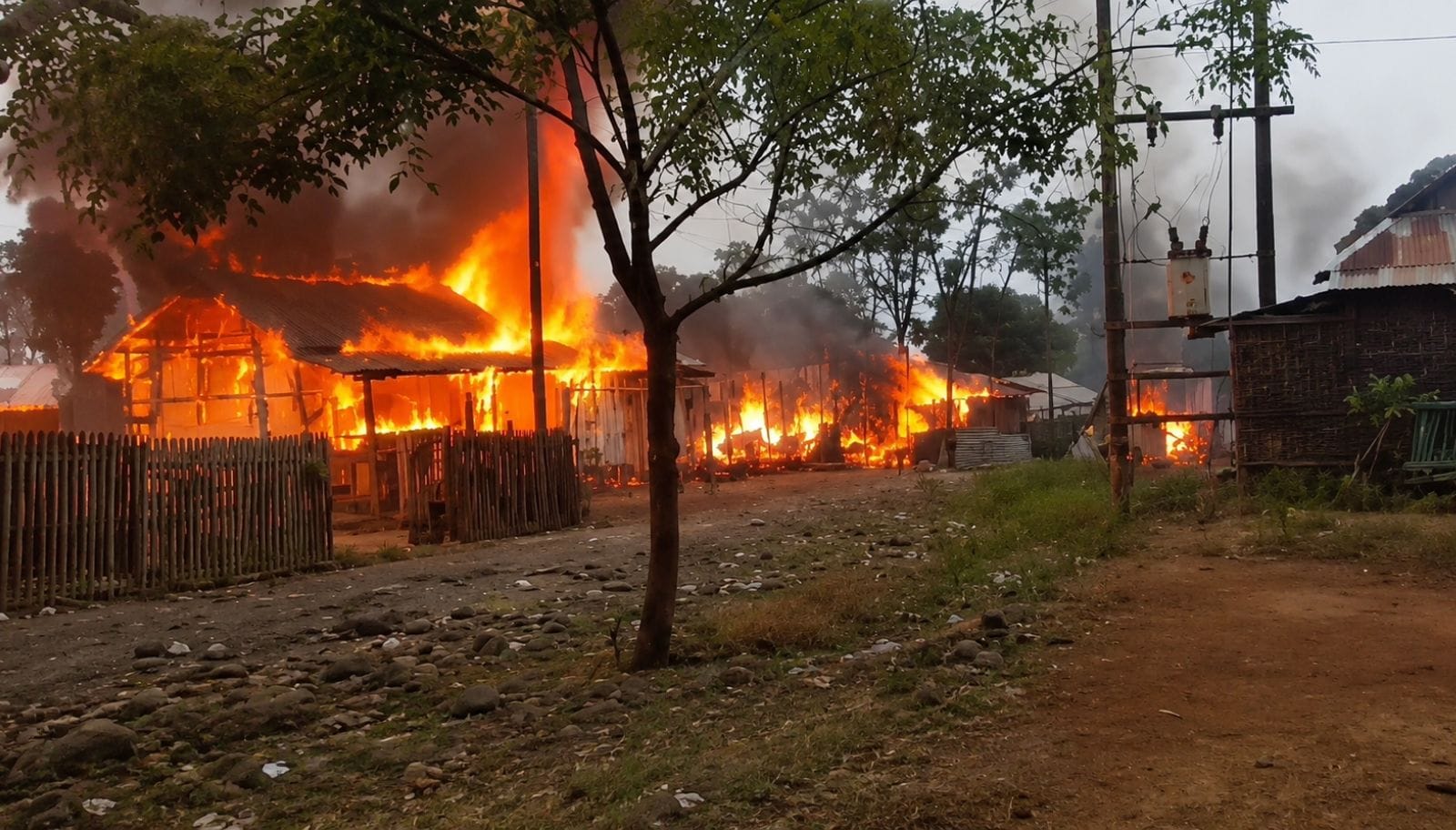
The emotional scenes that unfolded in Lyngkhong village on Sunday morning were not the beginning of a dispute. They were the latest chapter in a border fencing issue that has remained unresolved for more than a decade.
For many outside the village, the residents’ demand may appear contradictory. Villagers want the India-Bangladesh border to be fenced, yet they are opposing the current fencing plan. The reason lies in where the fence is proposed to be built.
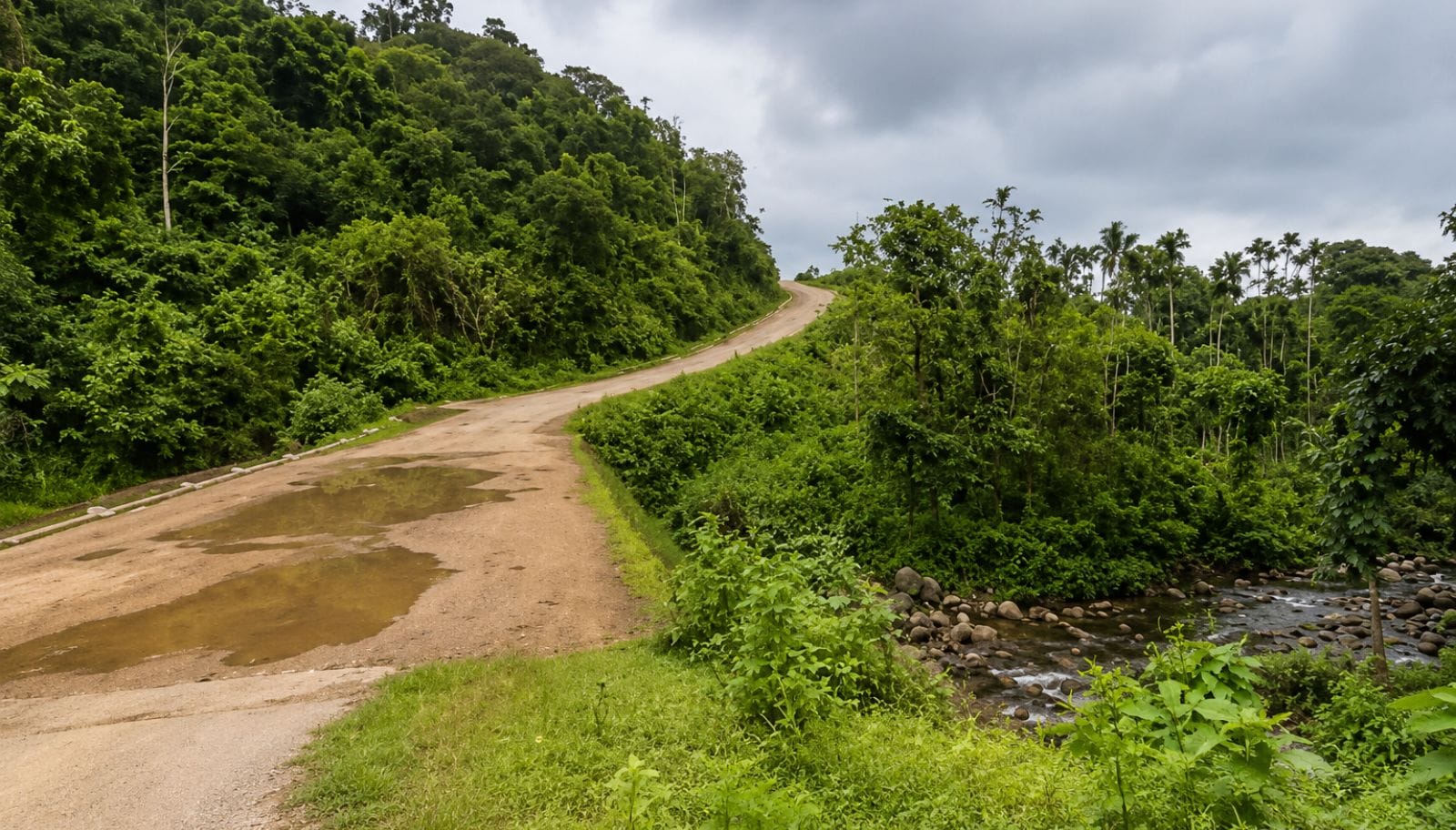
Lyngkhong, a small border settlement in East Khasi Hills district, sits unusually close to the international boundary. Home to around 20 families and about 90 residents, the village fears that if the fence follows the conventional alignment inside Indian territory, homes, farmland and other community areas could end up outside the security barrier.
As a result, villagers say the issue is not about opposing border security. Instead, they want a fencing arrangement that secures the border without isolating the settlement.
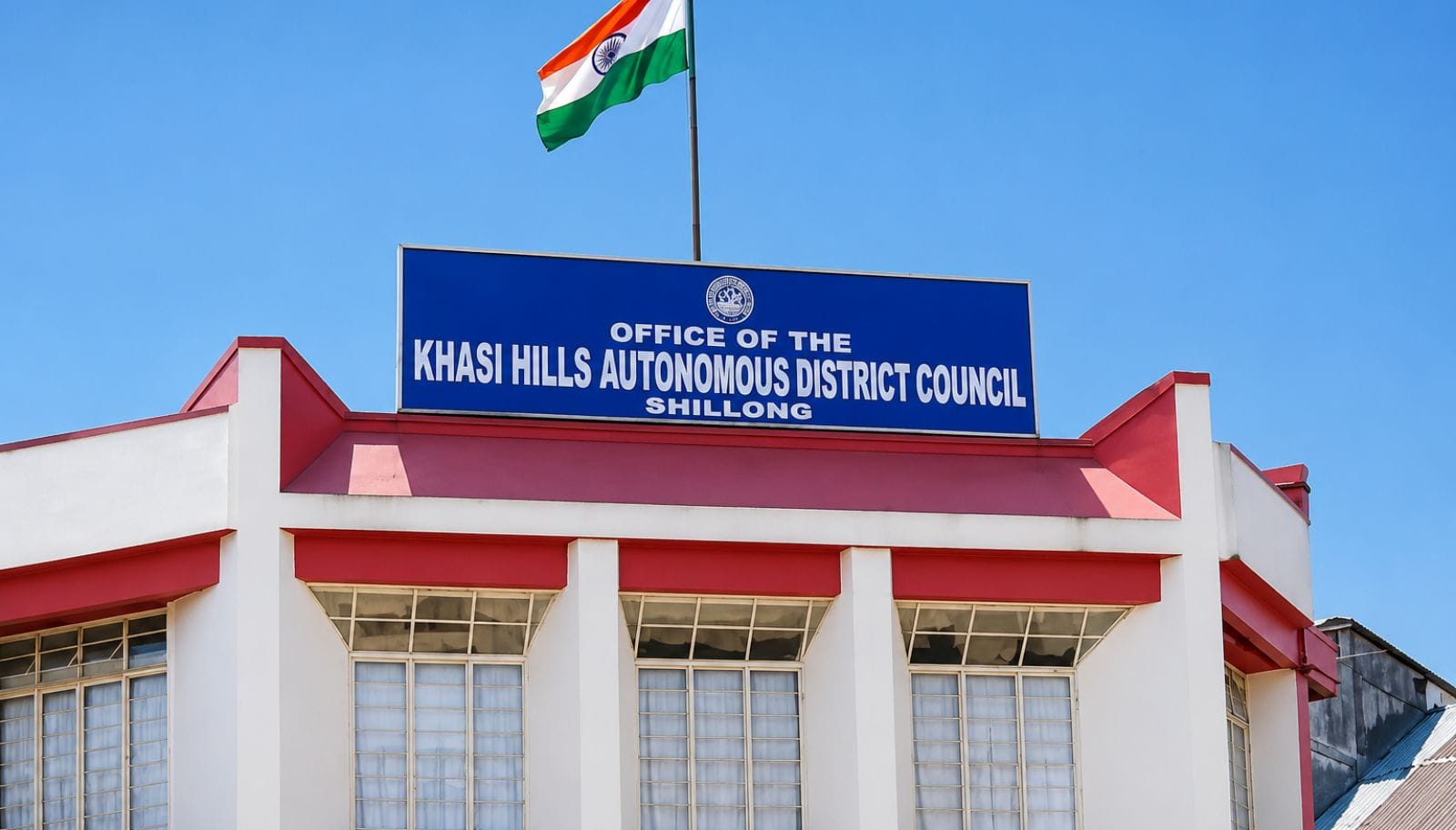
That concern resurfaced on Sunday when residents gathered and later submitted a memorandum to the Sub-Divisional Officer (SDO) of Pynursla, seeking intervention over the proposed alignment. The dispute, however, stretches back years.
According to previous reports and official accounts, the BSF Meghalaya Frontier had proposed zero-line fencing in certain sensitive locations as early as 2011. The proposal was aimed at addressing situations where conventional fencing could leave settlements outside the secured side of the border.
After years of discussions, Bangladesh granted concurrence in 2020 for zero-line fencing at several locations along the Meghalaya border.
Lyngkhong, however, was not among the sites covered under the approval. Because Lyngkhong was not included among the locations approved for zero-line fencing, authorities continued to pursue the conventional alignment.
Villagers opposed the proposal, arguing that parts of the settlement could be left outside the fence.
You May Like : Was Khasi Syiemship always linked to Niam Tynrai? The historical debate behind the Khasi Hills’ latest Traditional row
The issue resurfaced in 2021 when residents objected to the proposed fencing alignment, leading to local opposition and a halt in construction activities. Concerns continued in the years that followed. Residents maintained that any fencing plan should take into account the village’s unique location and ensure that homes and community spaces remain within the protected side of the border.
The matter gained renewed attention in 2024 amid growing concerns along sections of the India-Bangladesh border following political developments in Bangladesh. Residents reportedly increased community vigilance while security agencies maintained a close watch on the area.
While villagers have repeatedly favoured zero-line fencing, such proposals require bilateral understanding and approval because the international boundary is governed by agreements between India and Bangladesh.
Consequently, decisions on fencing alignment involve not only local concerns but also administrative and diplomatic considerations.
The latest protest in June 2026 has once again brought the issue into focus.
The demand has remained largely unchanged over the years for Lyngkhong residents. They support border fencing but want the alignment reviewed to ensure the village is not left outside the fence.
More than a decade after the issue first surfaced, the dispute remains unresolved, caught between local concerns, border security requirements and decisions that extend beyond the village itself.