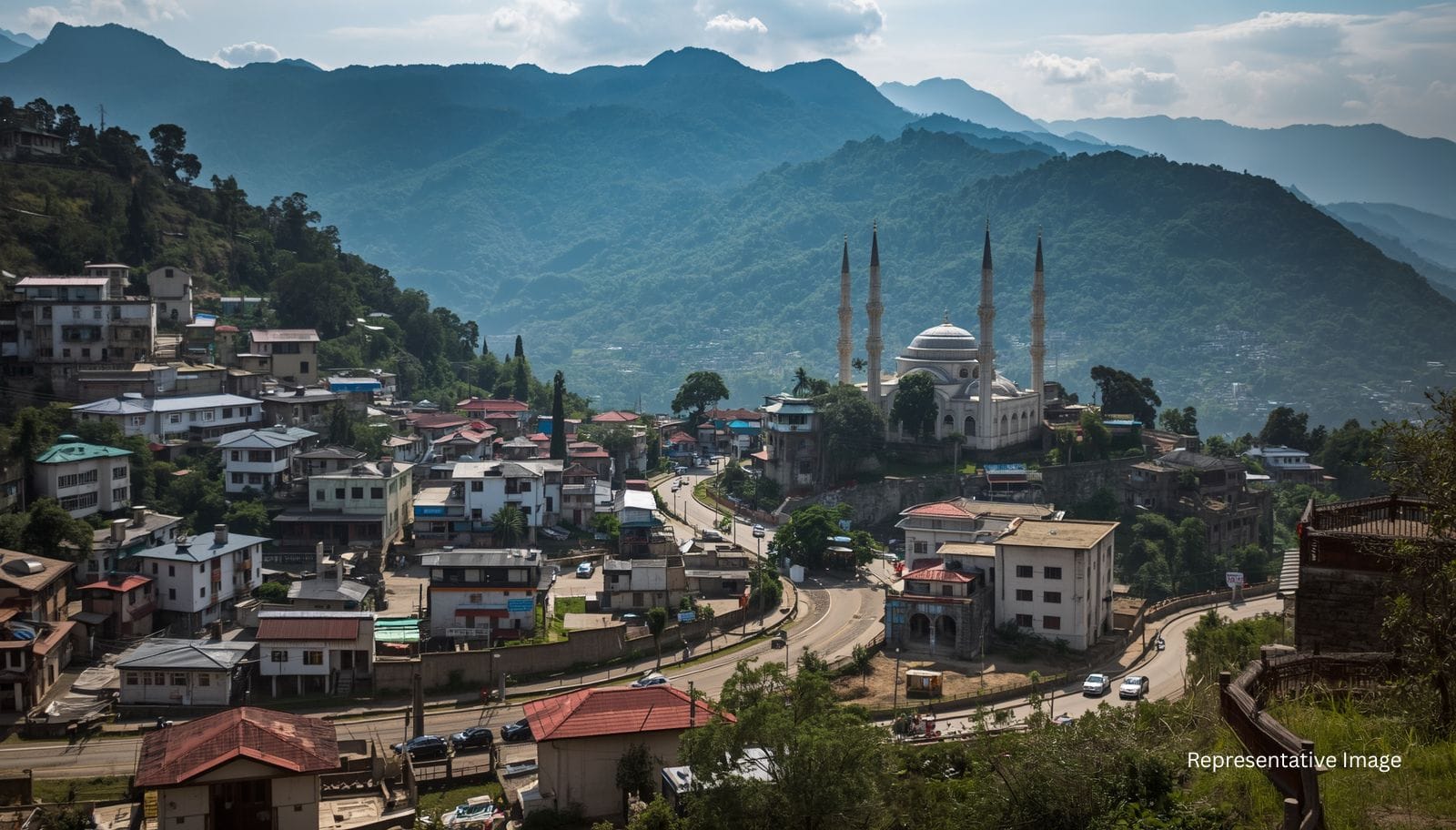
The sealing of 15 mosque structures in Arunachal Pradesh’s Itanagar Capital Region (ICR) has triggered protests, a bandh and renewed debate over land, settlement and indigenous rights in the state. The issue gained statewide attention after the Arunachal Pradesh government confirmed that action had been taken against 15 mosque structures identified as unauthorised.
According to government spokesperson and Education Minister P.D. Sona, all 15 structures have either been sealed or vacated following administrative procedures. The matter was first raised by the Arunachal Pradesh Indigenous Youth Organisation (APIYO), which met Chief Minister Pema Khandu on January 27 and sought action against alleged unauthorised structures and illegal settlements in the capital region.
Following the meeting, the government directed the district administration to verify the status of the structures. Authorities later reported that 12 structures had already been sealed or vacated, while the remaining three were reviewed during a meeting held on June 1 before action was completed.
Despite the government’s action, APIYO proceeded with a 24-hour bandh in the Itanagar Capital Region, arguing that the issue required stronger and more sustained measures. The shutdown affected normal life in parts of the capital region and drew attention from across Arunachal Pradesh.
Government officials have maintained that the action was based on violations of existing rules and procedures. In contrast, authorities have not publicly released a detailed list identifying the 15 structures or documents explaining the specific violations associated with each one.
While the enforcement action has been completed, several aspects of the case remain unclear from publicly available records. Authorities have not publicly disclosed the specific legal or administrative grounds on which each of the 15 structures was classified as unauthorised.
It is also unclear whether the structures were located on government land, private land, community land or disputed land.
The absence of detailed documentation has made it difficult to independently assess the circumstances surrounding each case and understand whether the structures were found to be in violation of land ownership, building permission or other regulatory requirements.
Read Also : Why a 48-year-old law is at the centre of Arunachal Pradesh’s faith debate
Publicly available information also provides limited insight into the position of the mosque committees and Muslim organisations connected to the structures. Most reports published so far have focused on statements issued by government officials and indigenous organisations. Detailed responses from the affected parties, including whether they intend to challenge the action or present supporting documents, have received far less public attention.
The controversy has also revived concerns frequently raised by indigenous groups regarding land ownership, migration and implementation of the Inner Line Permit (ILP) system. Several indigenous organisations have argued that unauthorised construction is only one part of a larger issue involving settlement patterns, demographic changes and protection of tribal land.
Similar concerns have surfaced periodically over the years and continue to feature prominently in public discussions across Arunachal Pradesh. Recognising the sensitivity of the issue, Chief Minister Pema Khandu recently held consultations with tribal bodies, student organisations, civil society groups, legal experts and political representatives.
Discussions focused on indigenous rights, demographic concerns and possible measures to strengthen the ILP system. The issue has since evolved beyond the question of the 15 structures themselves and become part of a broader conversation about land management, migration and the protection of indigenous interests in the state.
At present, no court challenge relating to the 15 structures has been widely reported. Similarly, no publicly available records show whether similar enforcement action has recently been taken against unauthorised structures belonging to other religious groups, institutions or organisations.
Those questions are likely to remain part of the public discussion as additional information emerges.
For now, the government’s position remains that the 15 structures were unauthorised and that the required enforcement action has been completed. Indigenous organisations maintain that the matter extends beyond the structures themselves and reflects wider concerns relating to land, settlement and indigenous rights.
The government’s position is clear: the structures were unauthorised. What remains unclear is the evidence behind each individual case. Until detailed records, notices and responses from the affected parties are publicly available, questions about transparency and consistency are likely to persist.
For those who observe the said issue, the debate is no longer only about the 15 structures. It is also about whether the public has been given enough information to understand how and why such a significant enforcement action was carried out.