

Professional Tax (PT) is a small but important tax collected from individuals and businesses operating under the Khasi Hills Autonomous District Council (KHADC).
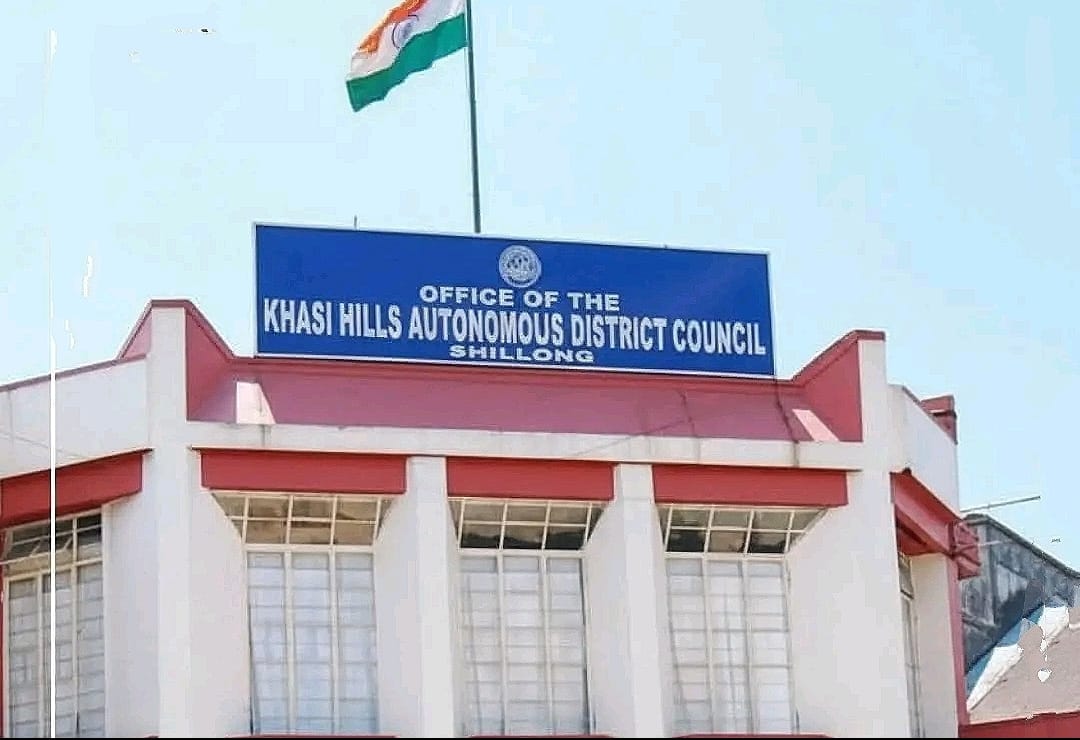
This tax plays a key role in helping the council function independently. It allows KHADC to plan development activities, run community programs, and manage its day-to-day administrative work without relying completely on state government funds.Without its own revenue, the council would depend fully on external support, which could slow down decisions and delay important work at the local level.
Fair System with Clear Income Slabs
In the past, the collection of Professional Tax was not done regularly, which led to confusion among many residents.Now, KHADC is introducing a more systematic and transparent system, where tax is charged based on income levels.
Here’s a simple breakdown:
Up to ₹50,000 — No tax( Nil)
₹50,001 – ₹75,000 — ₹200₹
75,001 – ₹1,00,000 — ₹300
₹1,00,001 – ₹1,50,000 — ₹500
₹1,50,001 – ₹2,00,000 — ₹750
₹2,00,001 – ₹2,50,000 — ₹1,000
₹2,50,001 – ₹3,00,000 — ₹1,250
₹3,00,001 – ₹3,50,000 — ₹1,500
₹3,50,001 – ₹4,00,000 — ₹1,800
₹4,00,001 – ₹4,50,000 — ₹2,100
₹4,50,001 – ₹5,00,000 — ₹2,400
Above ₹5,00,000 — ₹2,500.
This structure ensures that people clearly understand how much they need to pay, making the system more fair and transparent
Awareness is Important
Many people, especially in rural areas, may not fully understand what Professional Tax is or how KHADC works. Because of this, confusion and opposition can arise.So, it is important for the council to spread awareness and explain clearly:
Why the tax is needed How it benefits the community
Where the money is used
When people understand the purpose, they are more likely to support it.
Conclusion
Professional Tax is not just about revenue — it is about self-reliance and stronger local governance.It helps KHADC carry out its responsibilities while protecting Khasi identity, rights, and traditions.However, for it to work smoothly, transparency and public awareness are key.
Read Also : Simsang River: Meghalaya’s Transboundary Lifeline Under the Radar