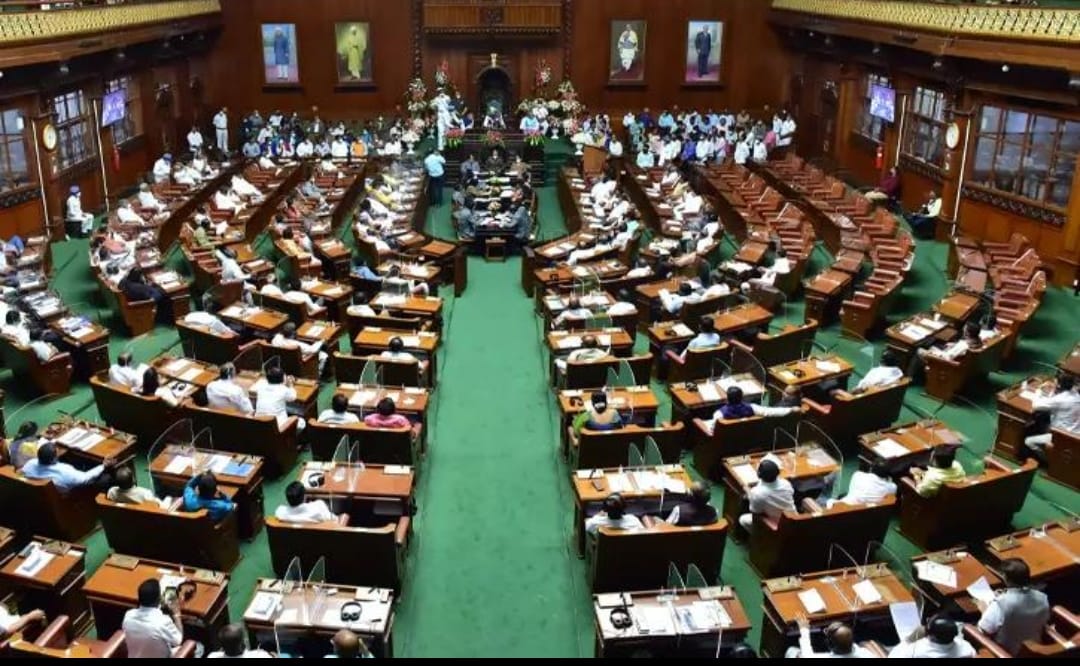
New Delhi, April 17 :The Constitution (One Hundred and Thirty-First Amendment) Bill, 2026, linked to the implementation of women’s reservation in legislatures, failed to pass in the Lok Sabha after it did not secure the required two-thirds majority.
The bill received 298 votes in favour and 230 against, falling short of the threshold needed for a constitutional amendment to be approved in Parliament.
The proposed legislation was aimed at operationalising 33 per cent reservation for women in the Lok Sabha and state assemblies, a long-debated reform intended to enhance women’s representation in Indian politics.However, the debate in Parliament extended beyond the issue of reservation itself.
Read Also:What Delimitation Means for Meghalaya: Seats, Influence and Future Representation
Several opposition members raised concerns over the bill’s linkage with the proposed delimitation exercise, arguing that any seat redistribution based on population could alter the existing balance of representation among states.
Under constitutional provisions, amendments of this nature require the support of at least two-thirds of members present and voting. Despite securing a simple majority, the bill fell short of this higher threshold, leading to its failure in the House.
The outcome has triggered political reactions from both sides. While the government defended the proposal as a step toward strengthening inclusive representation, opposition parties criticised aspects of the framework, particularly its timing and broader electoral implications.
The development also brings renewed attention to the ongoing debate around delimitation, which is expected to reshape parliamentary constituencies after 2026. Analysts note that the intersection of women’s reservation and delimitation has made the issue politically complex.
The failure of the amendment highlights how structural electoral reforms in India often extend beyond their stated objectives, intersecting with broader questions of political balance, representation, and federal dynamics.