In a state where access to specialised kidney care remains limited, one doctor is steadily changing the landscape.
From introducing advanced procedures for the first time in Meghalaya to pushing awareness around preventable kidney diseases, Dr. Indakiewlin Kharbuli is helping bridge a critical gap in the region’s healthcare system.
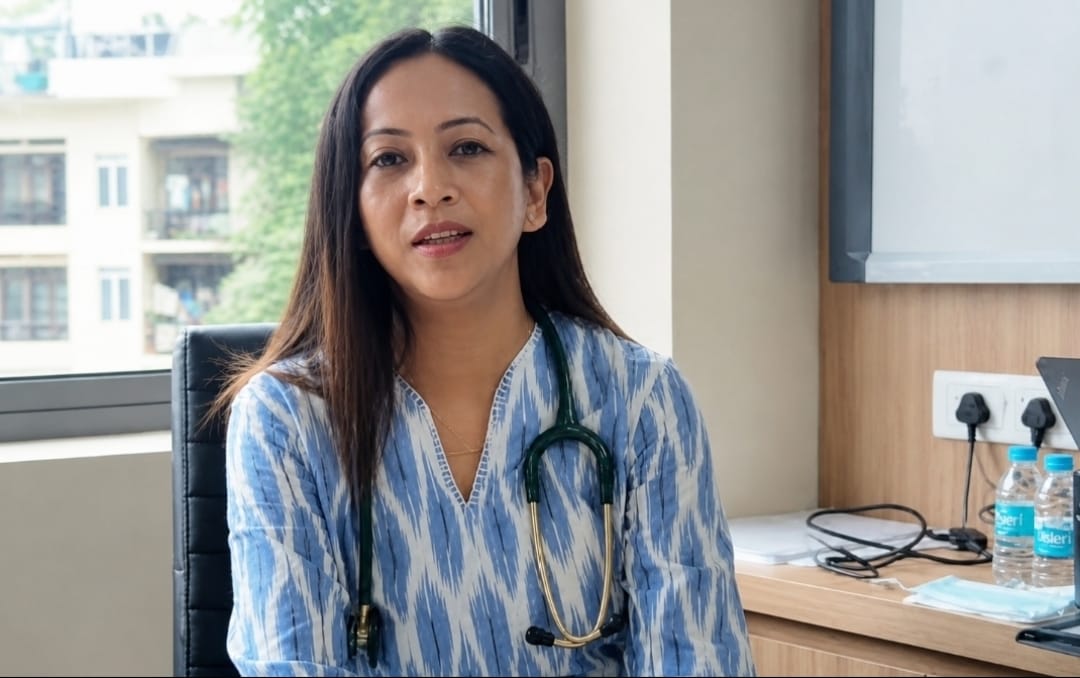
In a region where access to advanced medical care is still evolving, Dr. Indakiewlin Kharbuli is quietly redefining what renal healthcare looks like in Meghalaya. As a consultant nephrologist based in Shillong, she stands at the forefront of a growing effort to bring specialised kidney care closer to home, reducing the need for patients to seek treatment outside the state. Her work represents a significant shift in the healthcare landscape of Meghalaya, where infrastructure gaps and limited specialised services have long posed challenges for patients with chronic illnesses.
Among her most notable contributions is leading the medical team that performed the state’s first-ever therapeutic plasma exchange (TPE) therapy at Woodland Hospital a milestone that marks a new chapter in local medical capability.
Therapeutic plasma exchange is a complex procedure used in the treatment of several severe autoimmune and kidney-related conditions, including rapidly progressive glomerulonephritis and certain neurological disorders.
Until recently, patients requiring such treatment often had to travel to larger cities like Guwahati, Kolkata, or even further. The introduction of this therapy in Shillong not only reduces financial and logistical burdens but also ensures timely intervention, which is critical in life-threatening conditions.
Dr. Kharbuli’s contribution, however, goes far beyond a single medical milestone. Her clinical work spans the entire spectrum of nephrology from early detection and management of chronic kidney disease (CKD) to dialysis care and pre-transplant counselling.
According to national health data, kidney disease is emerging as a significant public health concern in India, with an estimated 10–15 percent of the population affected by some form of kidney-related condition. In many cases, patients are diagnosed late, when the disease has already progressed to an advanced stage.
In Meghalaya, these challenges are even more pronounced. Limited awareness, delayed diagnosis, and restricted access to specialised treatment facilities contribute to poor outcomes for many patients. Dr. Kharbuli has been actively working to address this gap, not just through clinical intervention but through sustained public awareness.
A strong advocate for preventive healthcare, she emphasises that many kidney-related complications can be avoided through early lifestyle interventions. Conditions such as diabetes and hypertension widely recognised as the leading causes of kidney failure are increasingly prevalent across both urban and rural populations. Without proper management, these conditions can silently damage kidney function over time.
Dr. Kharbuli frequently highlights the importance of regular screening, especially for high-risk groups. Routine tests such as blood sugar levels, blood pressure monitoring, and kidney function tests can help detect early signs of damage before symptoms appear.
“Lifestyle changes are key,” she often stresses, encouraging people to maintain hydration, follow balanced diets, and incorporate physical activity into their daily routines.
She has also raised concerns over practices that are often overlooked but potentially harmful. The misuse of over-the-counter painkillers, unregulated alternative medicines, and excessive consumption of protein supplements can significantly impact kidney health.
In a region where self-medication remains common, these warnings are particularly relevant.
Despite these efforts, structural challenges continue to hinder progress. Currently, only a handful of districts in Meghalaya have dialysis facilities, forcing many patients to travel long distances multiple times a week for treatment.
For those in remote areas, this often leads to interruptions in care, worsening health outcomes, and increased financial strain on families. The absence of a dedicated kidney transplant facility within the state further compounds the problem.
Patients requiring transplants must navigate complex referral systems and seek treatment in other states, adding to emotional and logistical challenges. Dr. Kharbuli has been vocal about the need to strengthen local healthcare infrastructure, advocating for the establishment of a comprehensive renal care ecosystem that includes transplant services, specialised training, and better resource allocation.
Her vision aligns with broader healthcare goals of decentralisation bringing advanced medical services closer to underserved populations. Beyond her clinical and advocacy roles, Dr. Kharbuli represents a new generation of medical professionals who are choosing to work within their home regions, contributing to long-term systemic change.
Also Read : Children in Meghalaya starting Drug use at Age 10 :Study
Her journey reflects both individual excellence and a commitment to addressing the structural gaps that define healthcare in many parts of Northeast India.
As Meghalaya continues to expand its healthcare capabilities, the importance of such leadership cannot be overstated. The introduction of advanced procedures like plasma exchange therapy is not merely a technical achievement it signals a broader shift towards self-reliance in specialised care.