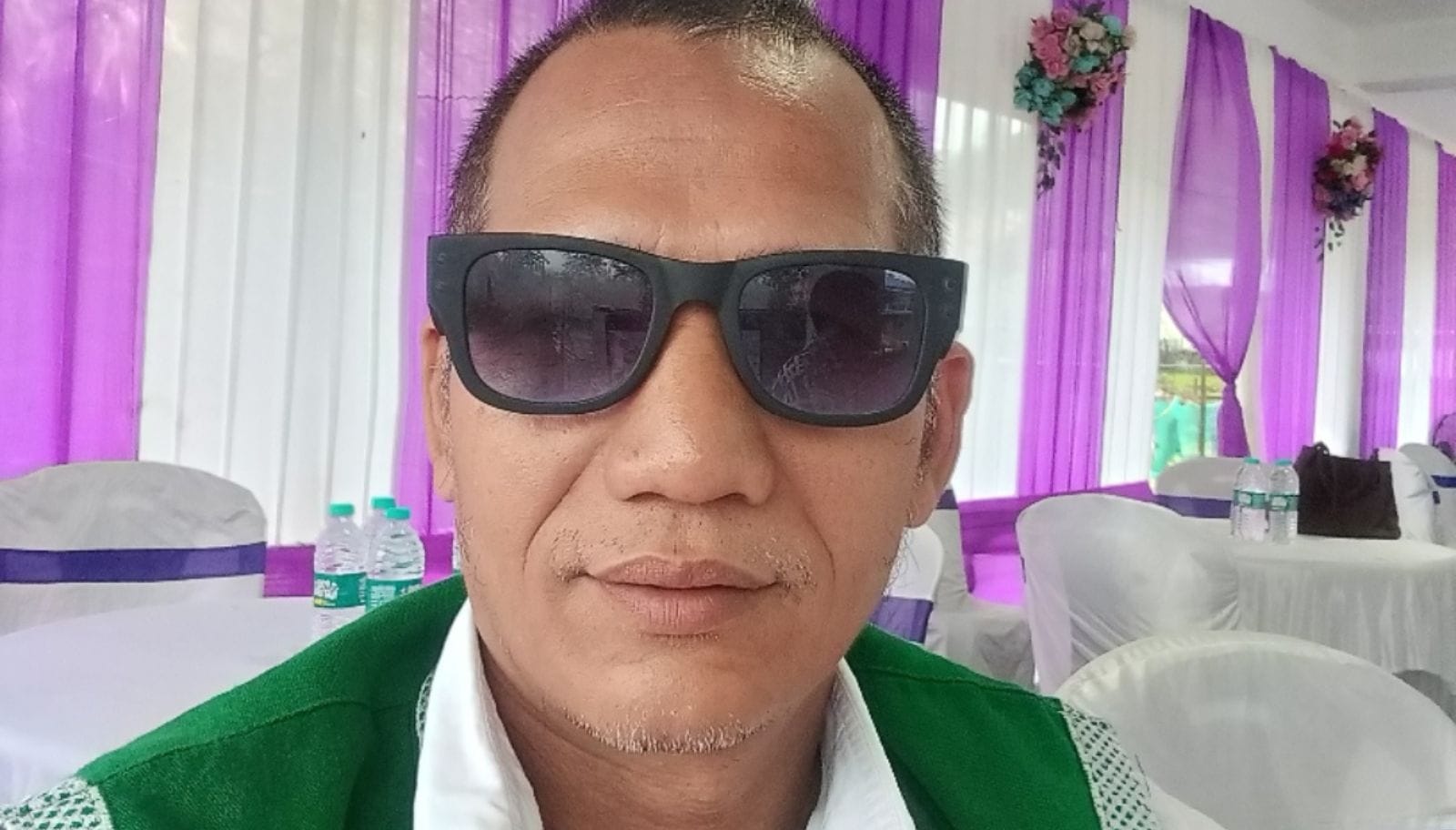
By Dr Yumri Taipodia
The Galo community is one of the major tribes of Arunachal Pradesh. Traditionally, the Galos followed their own ancestral belief system, but over the years many have embraced Christianity. Today, many Galo villages have predominantly Christian populations. Despite belonging to different denominations, Galo Christians remain united under the umbrella of the Galo Christian Federation. While embracing Christianity, they have also contributed to preserving their indigenous language, culture and traditions. Their experience shows that faith and cultural identity can coexist and complement one another.
Preservation of Language
The Galo language belongs to the Sino-Tibetan linguistic family and is closely related to the languages of other Tani tribes of Arunachal Pradesh, Assam and Tibet. According to traditional belief, Abo-Tani was the common ancestor of the Tani tribes, whose descendants today inhabit much of central Arunachal Pradesh.
Galo Christians have played an important role in preserving their mother tongue through religious and literary activities. The Bible has been translated into Galo, while Christian songs, hymns and devotional literature continue to be composed and used in the language. Protestant believers commonly use translations published by the Bible Society of India, while Catholics use translations prepared within their denomination. Among the notable contributions is the Galo-English dictionary prepared by Duri Taipodia, a Catholic Bible translator. Devotional collections such as Galo Khristian Nyitom remain widely used, while efforts are underway to develop a Galo hymnal and preserve songs digitally through platforms such as YouTube.
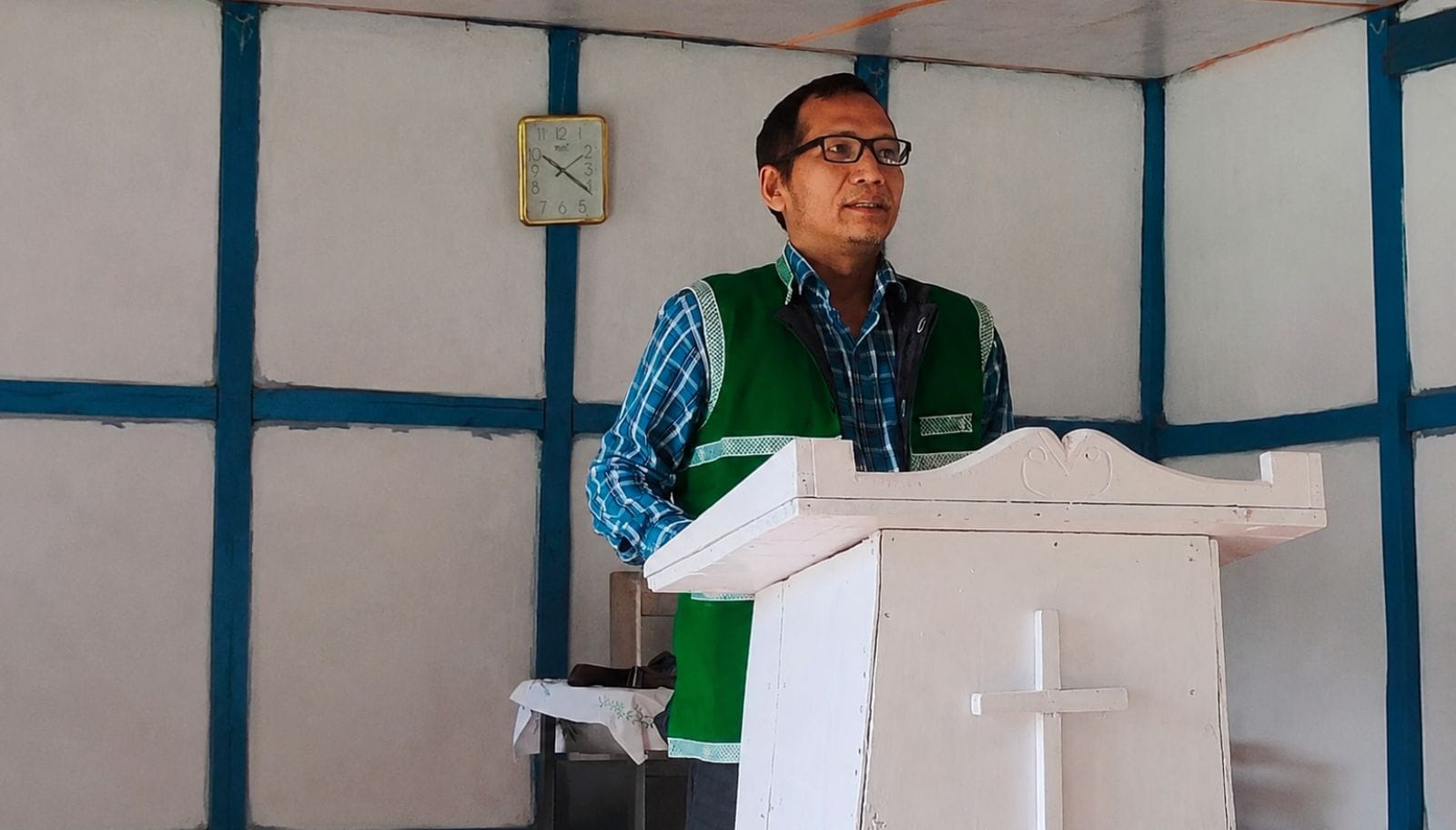
Church services, prayers and religious gatherings are commonly conducted in Galo, with visiting speakers often interpreted for local congregations. Even in urban centres such as the Itanagar Capital Region and district headquarters, Galo Christians have established fellowships that worship in their mother tongue. These efforts have helped keep the language alive in both spiritual and social life.
Preservation of Culture
Although many Galos have embraced Christianity, they continue to retain cultural practices that are compatible with their faith. Traditional marriage customs remain widely observed. The use of Jera, a traditional cloth woven from Tapum (silkworm), continues as a symbol of Ome Tagak (engagement). Marriage ceremonies also retain their community-centred character, with villagers accompanying the groom’s party to the bride’s village.Certain customs have been adapted over time. The use of rice beer such as Opo or Poka, as well as the role traditionally performed by the Nibu (priest), is often replaced by church leaders and non-alcoholic refreshments. Nevertheless, many symbolic and cultural elements of the traditional marriage system remain intact. The Hob (Mithun) continues to hold an important place in ceremonies and celebrations. Traditional mediators known as Lampo are still appointed from both sides during marriage negotiations, while customary ornaments such as Tadok remain part of wedding ceremonies. Oral traditions also continue to be passed down through elders and community historians. Stories of clan origins and ancestral achievements remain an important source of historical memory and identity within Galo society.
Preservation of Tradition
For many Galo Christians, preserving traditional identity remains an important responsibility. Traditional attire and cultural symbols continue to feature prominently in both social and religious life. During church services and major Christian gatherings, many believers wear traditional attire such as the Galuk and Gale. Community events often include the presentation of traditional items such as Rache (cane bag), Bolup (cane hat), Egin (basket) and Orok (sword) as symbols of respect and cultural pride. Likewise, when representing their community at national and international events, Galo Christians frequently wear traditional dress as a way of showcasing their heritage and identity.
Conclusion
The experience of Galo Christians demonstrates that Christianity and indigenous identity can coexist harmoniously. While cultural preservation may not have been the primary objective, the process of practising Christianity within a Galo context has contributed to safeguarding the community’s language, customs and traditions. Efforts are also underway to document oral histories and preserve them for future generations. As the Galo community navigates rapid social and technological change, many continue to work towards protecting their heritage while remaining rooted in their faith. There is also growing interest in establishing a Galo Theological Fellowship to encourage theological discussion and strengthen unity within the community. Such initiatives could help ensure that future generations inherit both the spiritual and cultural legacy of the Galo people.
About the Author
Dr Yumri Taipodia is a former President of Basar Christian Student Fellowship, Evangelical Union Kamki and Christian Graduate Prayer Fellowship Itanagar. He served as a Pastor in Arunachal Christian Prayer Centre