SHILLONG : The Synjuk Ki Rangbah Shnong on Friday urged the Meghalaya Government not to approve the Khasi Hills Autonomous District (Regulation and Administration of Land) Amendment Bill, 2026, saying the proposed changes would weaken the role of traditional institutions in decisions relating to customary land.
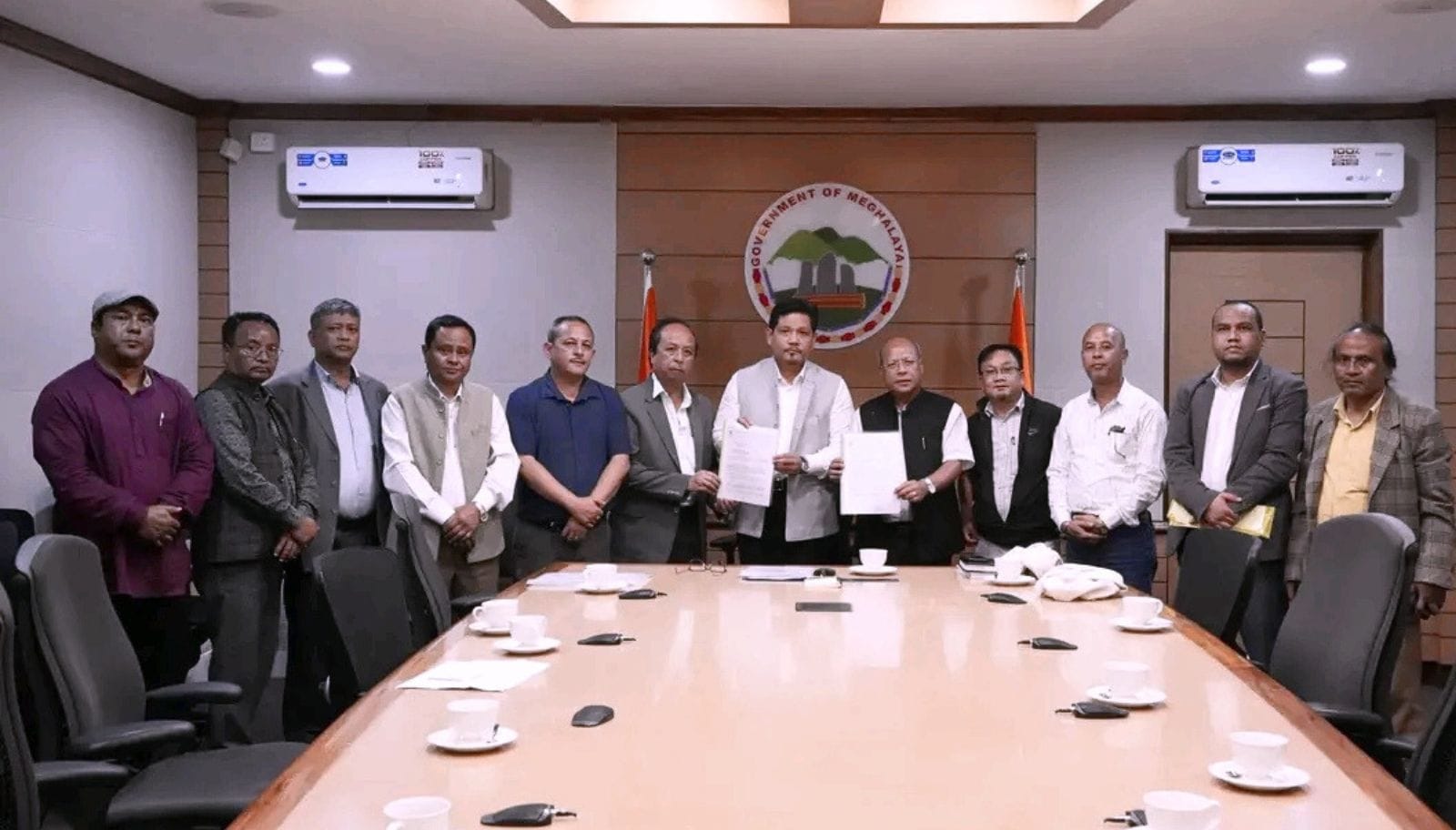
A delegation met Chief Minister Conrad K. Sangma and Deputy Chief Minister in-charge of District Council Affairs Prestone Tynsong, submitting a memorandum against the Bill and a related notification fixing a ceiling on raid land.
The controversy centres on Section 16 of the Khasi Hills Autonomous District (Regulation and Administration of Land) Act, 2021. Under the existing law, the KHADC Executive Committee must consult the Dorbar Shnong, Dorbar Raid and Dorbar Hima before fixing a ceiling on the settlement, allotment or setting apart of raid land.
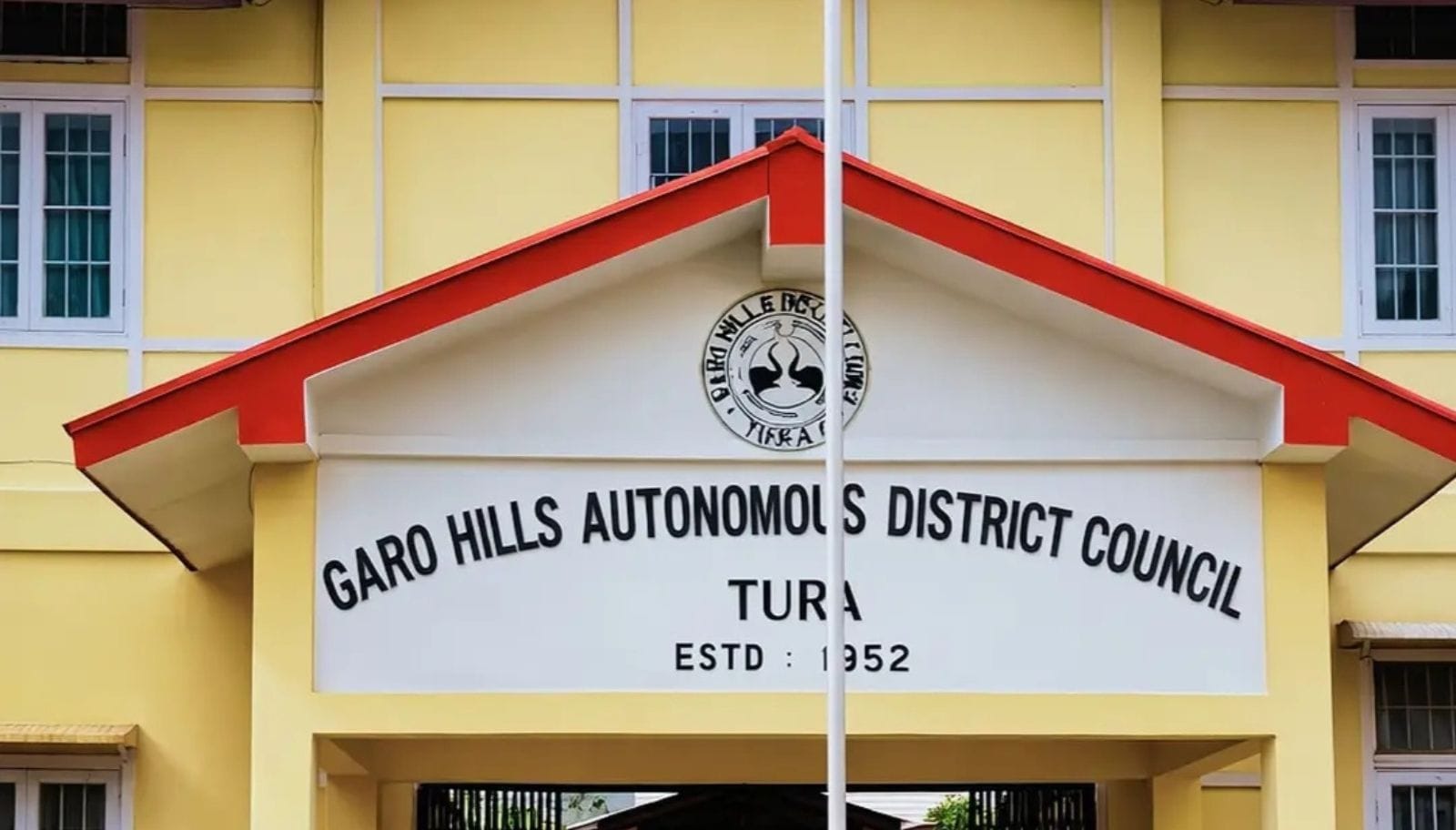
The Amendment Bill, passed by the Khasi Hills Autonomous District Council (KHADC) during its June 2026 session, removes that consultation requirement.
Why does KHADC want the amendment?
KHADC has defended the proposed changes, saying the amendment is intended to implement land ceiling provisions more effectively rather than reduce the role of traditional institutions.
Executive Member in-charge of Land Powell Sohkhlet has said consultations on land ceiling have been taking place since the 2021 Act came into force and that the amendment has been misunderstood. According to him, traditional institutions will continue to play a role in identifying, verifying and administering customary land even after the amendment.
The Council has also argued that fixing a land ceiling is necessary to prevent excessive accumulation of raid land, protect community-owned land from gradually becoming private property and ensure land remains available for future generations. KHADC has further stated that the policy could help create a land bank for landless indigenous Khasi families.
Why are traditional institutions opposing it?
The Synjuk Ki Rangbah Shnong, however, said removing the consultation requirement would weaken an important safeguard under the 2021 Act.
According to the memorandum submitted to the government, the amendment dilutes the statutory role of the Dorbar Shnong, Dorbar Raid and Dorbar Hima, institutions that have traditionally overseen the administration of customary land.
The delegation also argued that the Bill was passed without prior consultation with these traditional bodies and goes against the spirit of the Principal Act as well as the Khasi customary land tenure system. It further referred to a KHADC notification issued on June 11, 2026, fixing a ceiling on raid land, alleging that the consultation process prescribed under Section 16 had not been followed. The organisation said the notification was arbitrary and could create confusion at the grassroots level.
The memorandum also stated that the amendment weakens democratic checks and balances by reducing the role of traditional institutions in decisions affecting customary land.
A joint meeting of traditional institutions held in Shillong on July 7 had unanimously resolved to oppose the Amendment Bill.
Chief Minister Conrad K. Sangma told the delegation that the State Government remains committed to protecting traditional institutions, customary governance, indigenous land rights and Meghalaya’s matrilineal heritage. The delegation later described the discussion as positive.