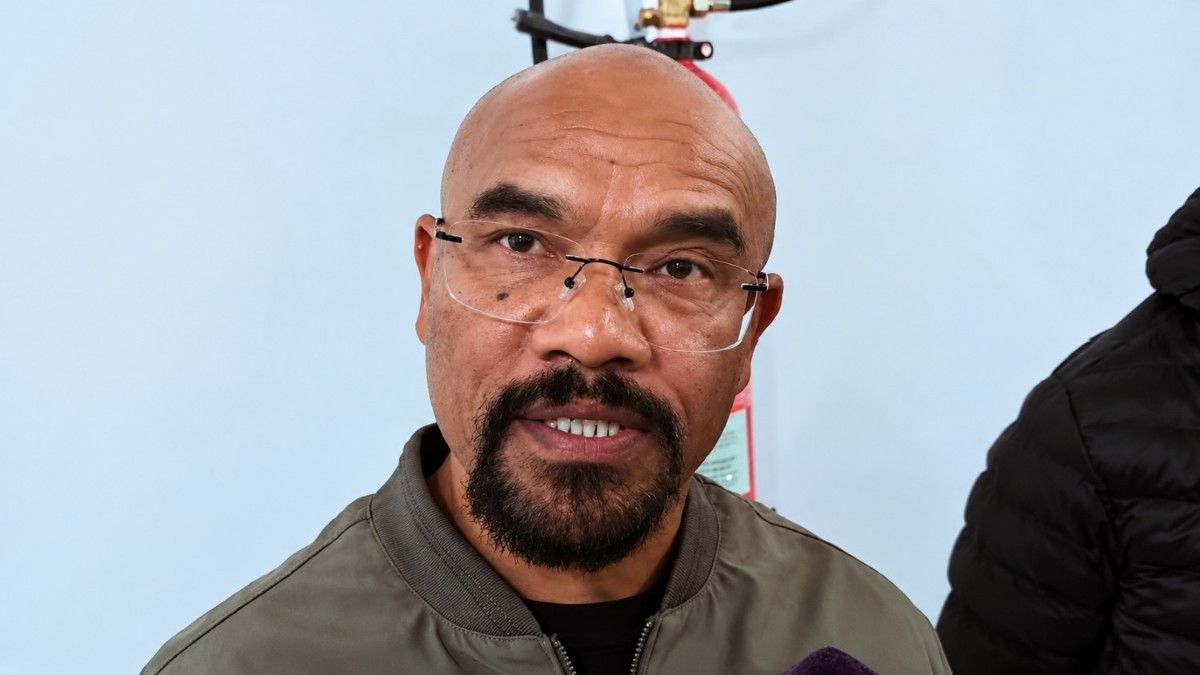
SHILLONG — The BJP may have jumped from two MLAs to 10 in Meghalaya, but VPP president Ardent Miller Basaiawmoit is questioning what those numbers actually prove about the party’s standing among voters.
Eight former UDP legislators have joined the BJP, making it the second-largest party in the Assembly. Basaiawmoit, however, says a bigger legislative team does not automatically mean a stronger public base.
He suggested money could help parties expand their political reach, taking a swipe at the circumstances behind the BJP’s latest gains.
“I think it is not only BJP; any party can come through its back door if they are willing to spend, if they are willing to invest,” Basaiawmoit said. He was equally dismissive of the BJP’s prospects in a general election, insisting that the shift in Assembly numbers should not be mistaken for public acceptance. The real test, he argued, would come when voters cast their ballots.
“I am sure that the people in Meghalaya will still reject BJP in a general election,” he said. Basaiawmoit also brought uranium mining back into the political argument, reiterating that the VPP would strongly oppose any move to take up mining in Meghalaya. The question carries weight as the BJP’s expanded presence could give it greater leverage within the state’s ruling coalition, though Basaiawmoit said he saw little reason to believe the party would win wider public support.
He also suggested the BJP would have to weigh the demands of its new legislators against its own political interests, rather than simply agreeing to every demand to keep the group together.
For the VPP president, the shift of eight legislators is a change in Assembly arithmetic, not proof that Meghalaya’s electorate has moved with them.
The argument now moves beyond who has more MLAs: whether the BJP can turn its new numbers into a broader political base, and what its growing role could mean for contentious issues such as uranium mining.