A question directed at Prime Minister Narendra Modi during his Norway visit has triggered a wider global discussion on press freedom, political accountability, and the role of journalism in democracies.
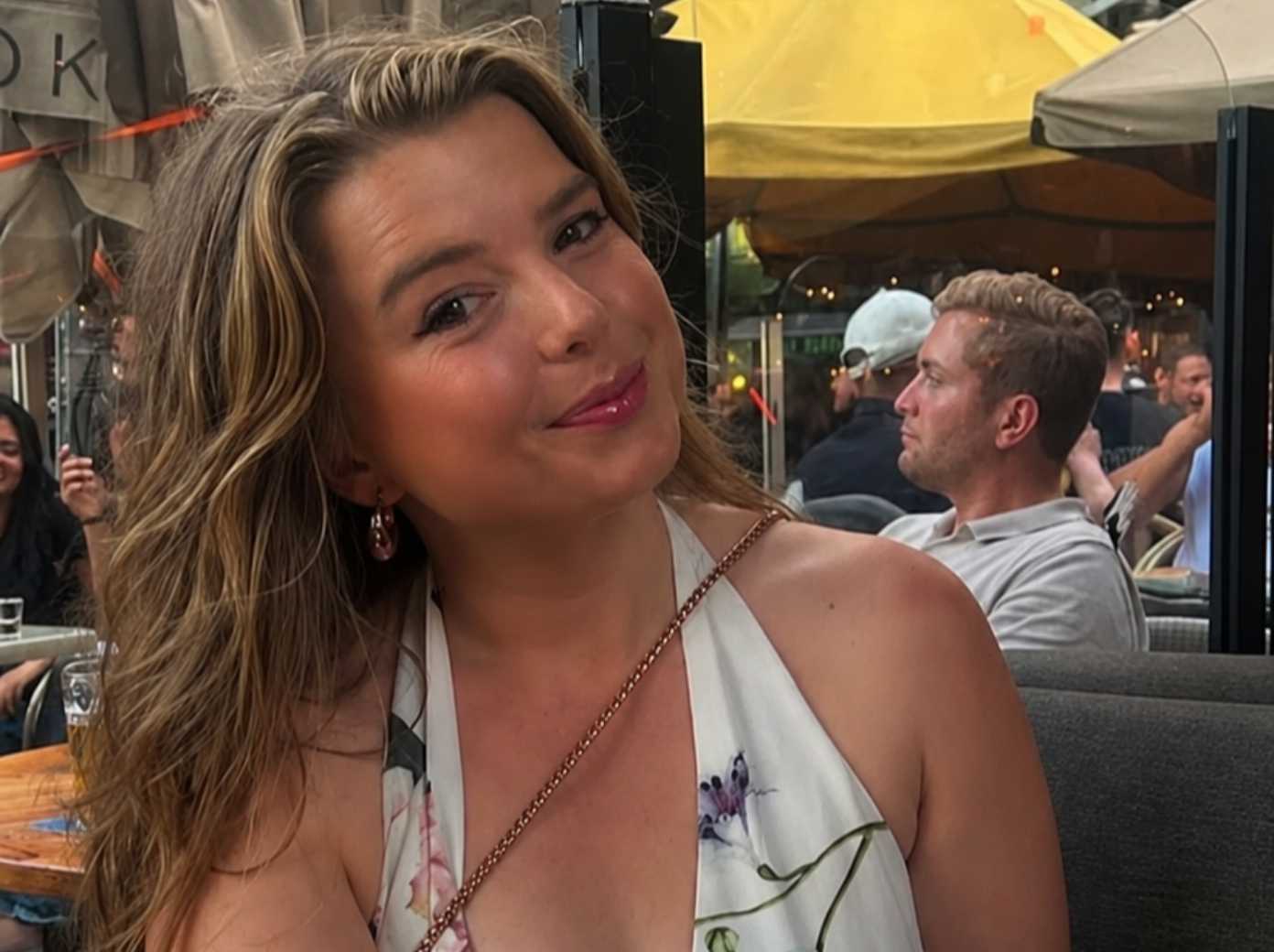
During a media interaction in Oslo, Norwegian journalist Helle Lyng publicly asked Modi why he does not take questions from the press.
“Why don’t you take some questions from the freest press in the world?” she asked as the Prime Minister walked away after a joint appearance.
The moment quickly spread across social media platforms and international news discussions, especially because it came just weeks after India slipped to 157th place out of 180 countries in the 2026 World Press Freedom Index released by Reporters Without Borders (RSF).
Norway ranked first in the same index. Following online debate over her remarks, Lyng later defended her style of questioning, saying journalism is meant to seek answers from those in power, not simply repeat prepared statements.
“Journalism is sometimes confrontational. We seek answers,” Lyng wrote. “If any interview subject, especially those in positions of power, does not answer what I ask, I will press further and interrupt if needed to get a more focused response. That is my job and my duty.”
Her statement drew both praise and criticism online. Supporters said journalists have a responsibility to ask difficult questions and hold political leaders accountable, especially in democracies. Others accused her of being disrespectful and attempting to create controversy during an official diplomatic visit.
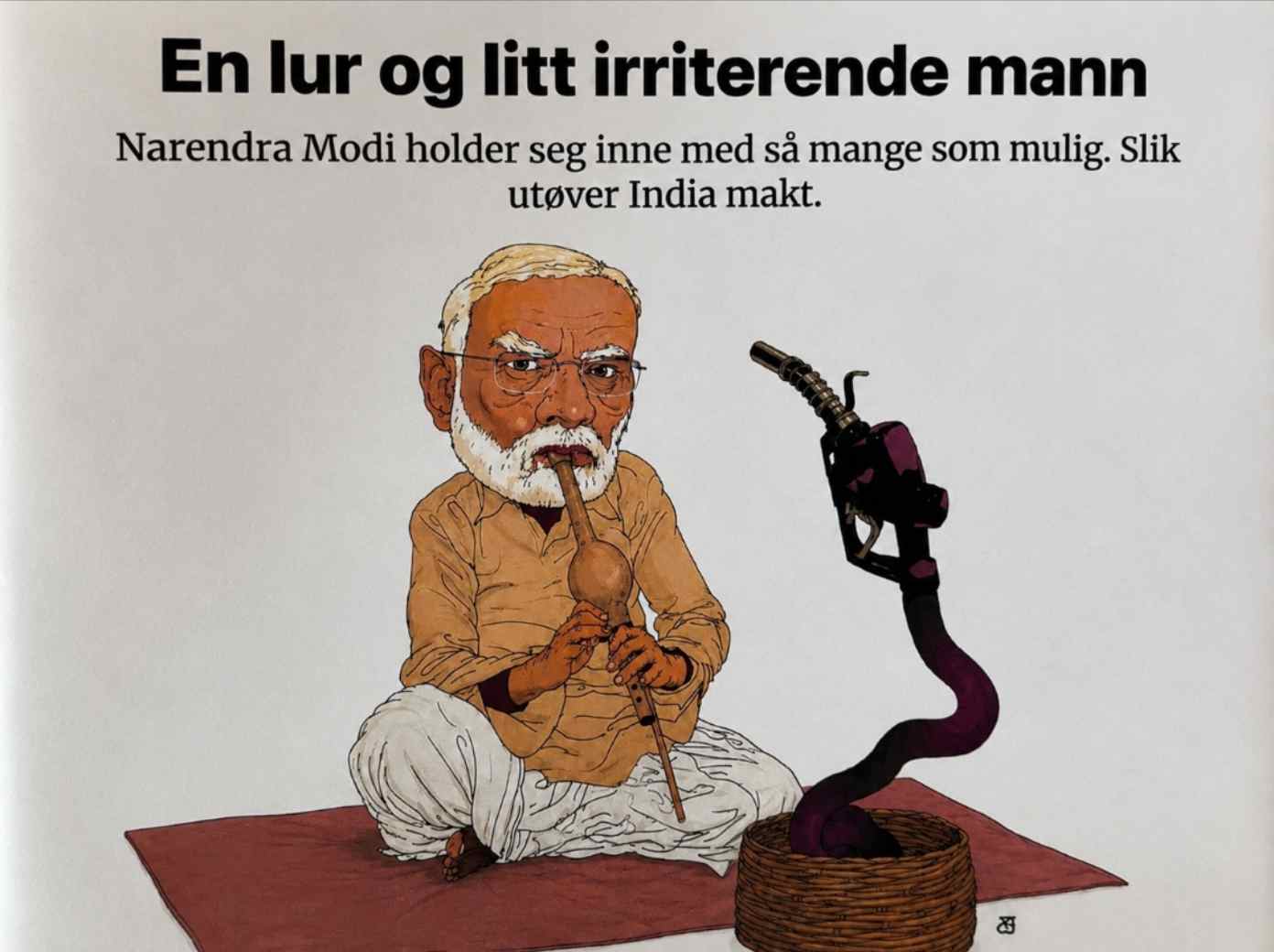
The incident has also revived criticism over the limited number of open press conferences held by Prime Minister Modi during his tenure.
Opposition leaders, media groups, and press freedom organisations have repeatedly raised concerns over shrinking space for direct questioning and independent journalism in India.
At the same time, the Indian government has rejected international criticism on press freedom rankings, arguing that India has a vibrant and diverse media ecosystem operating across multiple languages and platforms.
Senior Indian diplomat Sibi George, responding during the Norway visit, defended India’s democratic system and dismissed criticism from foreign organisations and media observers. Still, the larger debate has continued to grow.
For many journalists, the controversy goes beyond one exchange in Norway. It reflects a deeper concern about whether political communication around the world is becoming increasingly controlled, scripted, and less open to uncomfortable questions.
As India’s press freedom ranking continues to decline globally, Lyng’s remarks have once again placed the spotlight on the relationship between power, media access, and accountability in the world’s largest democracy.