What began earlier this year as a controversy surrounding alleged threats against VPP president Ardent Basaiawmoit has now evolved into a much larger political and cultural confrontation involving traditional governance, Khasi identity, limestone trade routes and competing narratives over power in Sohra.
The latest statement issued by the banned Hynniewtrep National Liberation Council (HNLC) suggests that the conflict is no longer limited to political disagreements alone, but is increasingly tied to deeper tensions surrounding tradition, administration and control over local institutions.
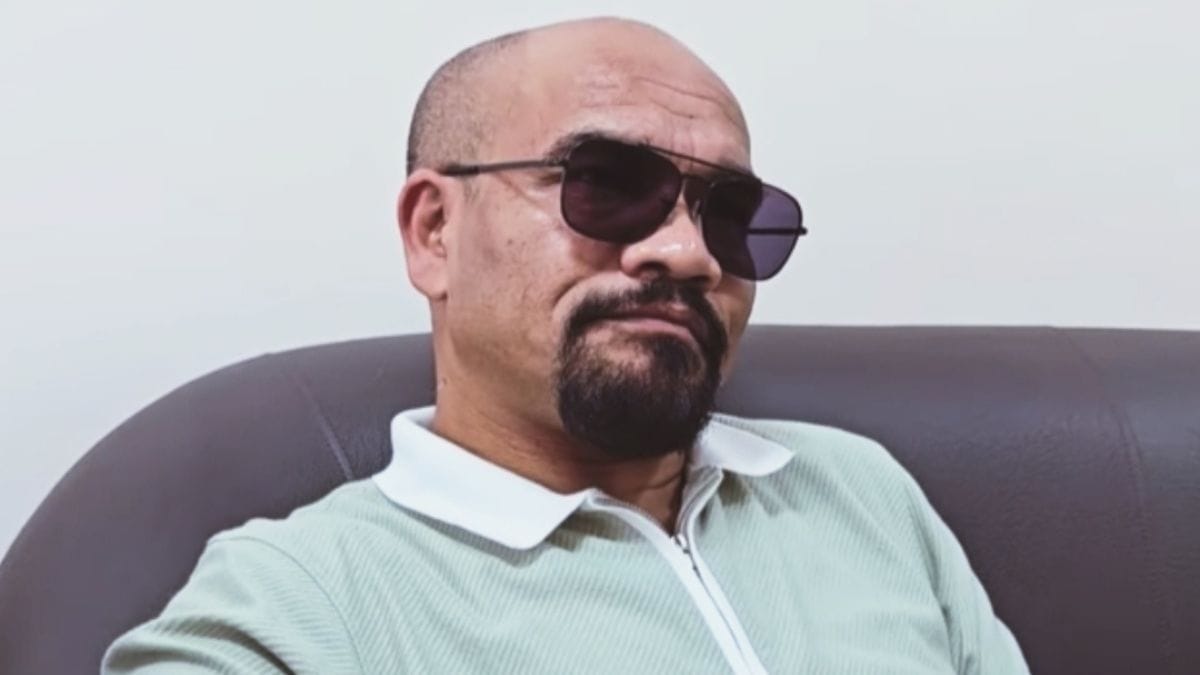
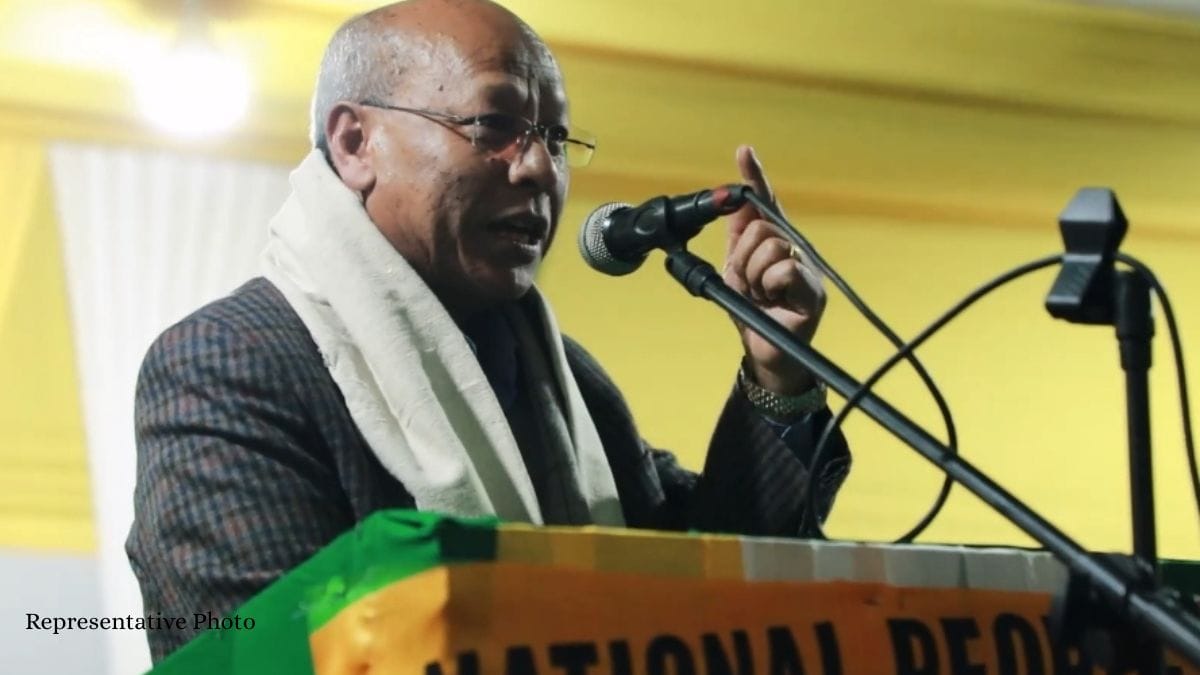
Shillong, May 13 : The banned Hynniewtrep National Liberation Council (HNLC) has once again targeted Voice of the People Party (VPP) chief Ardent Basaiawmoit, months after reports emerged in January regarding an alleged life threat linked to tensions surrounding governance issues in Sohra and the Majai Land Customs Station.
The latest attack came through a statement issued on May 12 by HNLC General Secretary Sainkupar Nongtraw, who accused Basaiawmoit of “double standards” on the Khasi matrilineal system and questioned whether the VPP leader personally follows the traditions he publicly defends.
“We ask the public directly: does this man live by the matrilineal tradition, or is he someone who just uses it to win votes?” the statement read.
The HNLC alleged that while the VPP leadership regularly speaks about protecting Khasi customs, identity and traditional institutions during public meetings, Basaiawmoit privately follows a patrilineal system in his personal life.
The statement also criticised what the outfit described as attempts to politicise traditional institutions and linked the matter to the ongoing controversy surrounding the appointment of the Syiem of Sohra.
The renewed remarks have revived attention on developments that surfaced earlier this year when reports linked alleged threats against Basaiawmoit to administrative decisions involving Hima Sohra, toll collection systems and limestone transportation through the Majai Land Customs Station in Shella.
At that time, reports suggested that changes in governance and efforts to regulate certain activities may have affected interests connected to earlier arrangements surrounding trade and local administration.
Must Read : Why Nagaland Govt wants Religious and NGO stickers removed from Vehicles
The controversy also unfolded against the backdrop of growing disputes over the issuance of the Sanad for the Sohra Syiem and wider debates involving the role of the Khasi Hills Autonomous District Council (KHADC), traditional authority and political influence within the region.
While the January developments raised concerns over alleged intimidation and militant interference in governance matters, the latest HNLC statement shifts the focus toward questions of Khasi identity, matrilineal traditions and political credibility.
“Respecting our traditional Dorbars does not make us Christians of lesser faith; it makes us people who remember who we are,” Nongtraw stated.
Political observers note that the repeated references to Sohra, traditional governance and Khasi customs indicate that the issue has evolved into a broader struggle involving identity, local administration and competing political narratives ahead of future elections.
Read Also : Laborious Syiem accuses Ardent Basaiawmoit of politicising Sohra traditional rights issue
The latest statement also reflects the increasingly sensitive nature of discussions surrounding tradition and governance in Meghalaya, particularly when political parties, customary institutions and pressure groups become drawn into the same conflict.
Even as political reactions continue, concerns remain over the involvement of militant rhetoric in matters related to governance and democratic institutions.
Many believe that issues involving traditional leadership, customs, trade routes and administrative reforms must ultimately be resolved through lawful institutions, public dialogue and constitutional processes rather than intimidation or political escalation.