

A World Bank-supported conservation initiative is helping Meghalaya restore forests, revive springs, conserve Living Root Bridges and promote sustainable livelihoods across hundreds of villages.
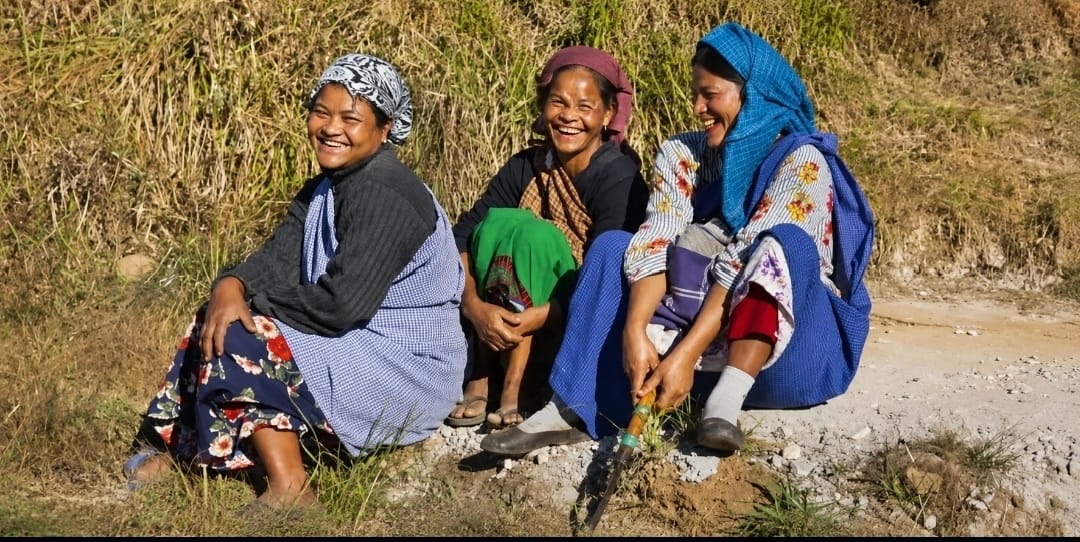
Shillong , May 7: Meghalaya has become the first state in India to introduce a Payment for Ecosystem Services (PES) programme, rewarding individuals and communities for protecting forests, sacred groves, elephant corridors and other eco-sensitive areas.The initiative, supported by the World Bank, has already covered more than 42,000 hectares of forest land across the Shillong and Tura catchment areas.
Officials said the programme is transforming the way local communities manage natural resources, with over 400 villages now participating in efforts to restore degraded forests, springs and mine-affected lands.According to project data, more than 3,000 springs have been rejuvenated so far, while 672 hectares of mine-spoiled land have been restored.
The initiative has also placed over 46,000 hectares under sustainable land-use practices.The programme has additionally generated over ₹1.3 crore through eco-livelihood activities and trained more than 13,000 people in GIS and related technologies.Despite being one of the rainiest states in the country, Meghalaya has witnessed growing environmental degradation over the years, with many forests thinning and thousands of natural springs either drying up or witnessing reduced water flow.
Must Read : Conrad Sangma meets village head discusses Jal Jeevan, Farmers and Power issues
Local residents say the environmental changes have become increasingly visible. Mrs Balalupa Mawlong recalled that hills once covered with thick greenery now face declining forest cover and growing water scarcity.The project is also working to preserve Meghalaya’s unique Living Root Bridges, locally known as Jingkieng Jri — centuries-old structures created from the aerial roots of Ficus elastica trees by Khasi and Jaintia communities.
So far, 131 Living Root Bridges have been conserved under the initiative, with efforts underway to secure UNESCO World Heritage recognition for the structures.Officials believe combining traditional ecological knowledge with modern conservation practices could help Meghalaya protect biodiversity, strengthen water security and create sustainable livelihood opportunities for future generations.
A major conservation initiative supported by the World Bank is helping communities across Meghalaya restore forests, revive water sources and protect traditional heritage structures while creating sustainable livelihood opportunities.
Also Read : Meghalaya GSDP doubles since 2018, targets further growth by 2032: Conrad Sangma