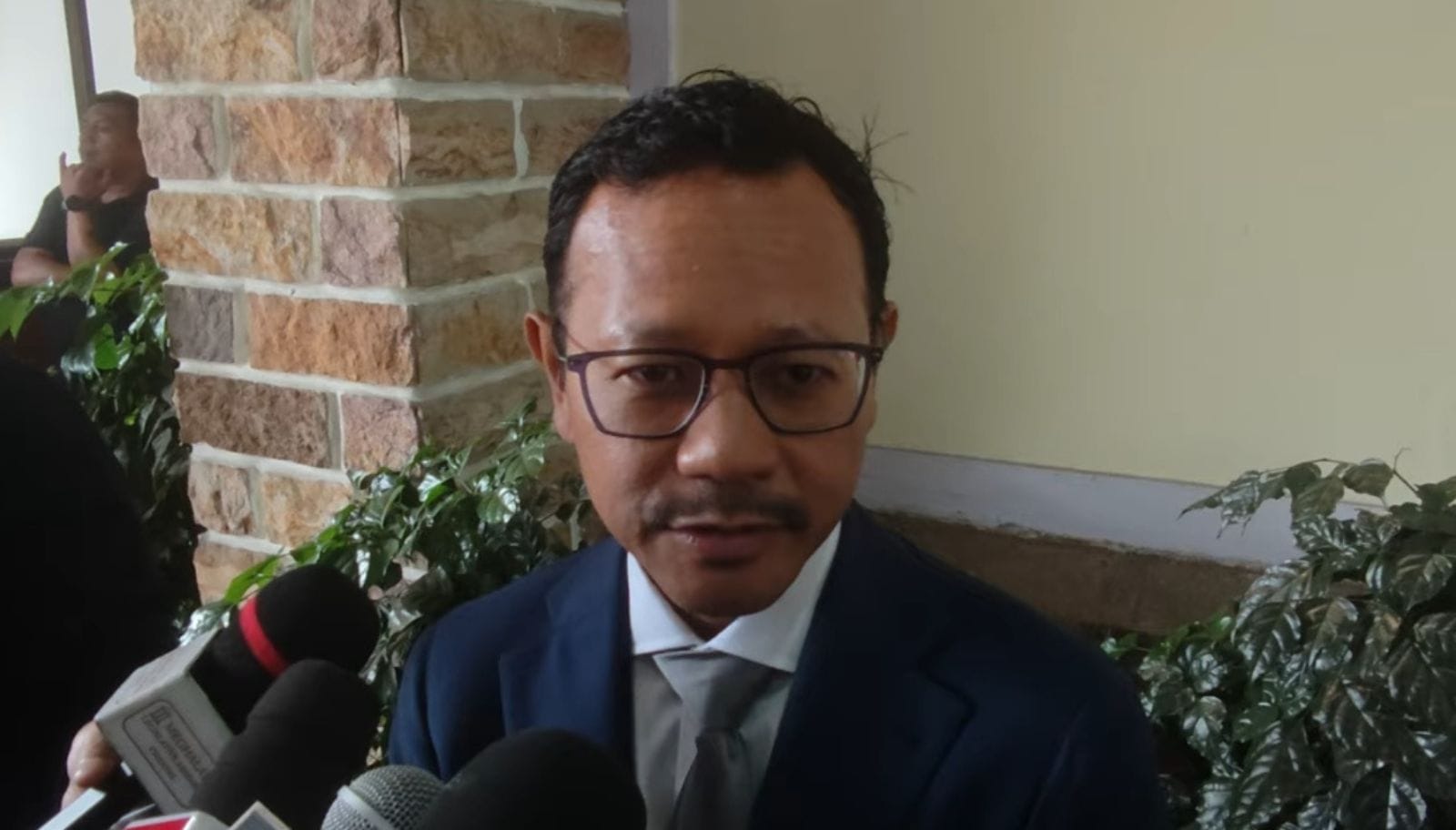
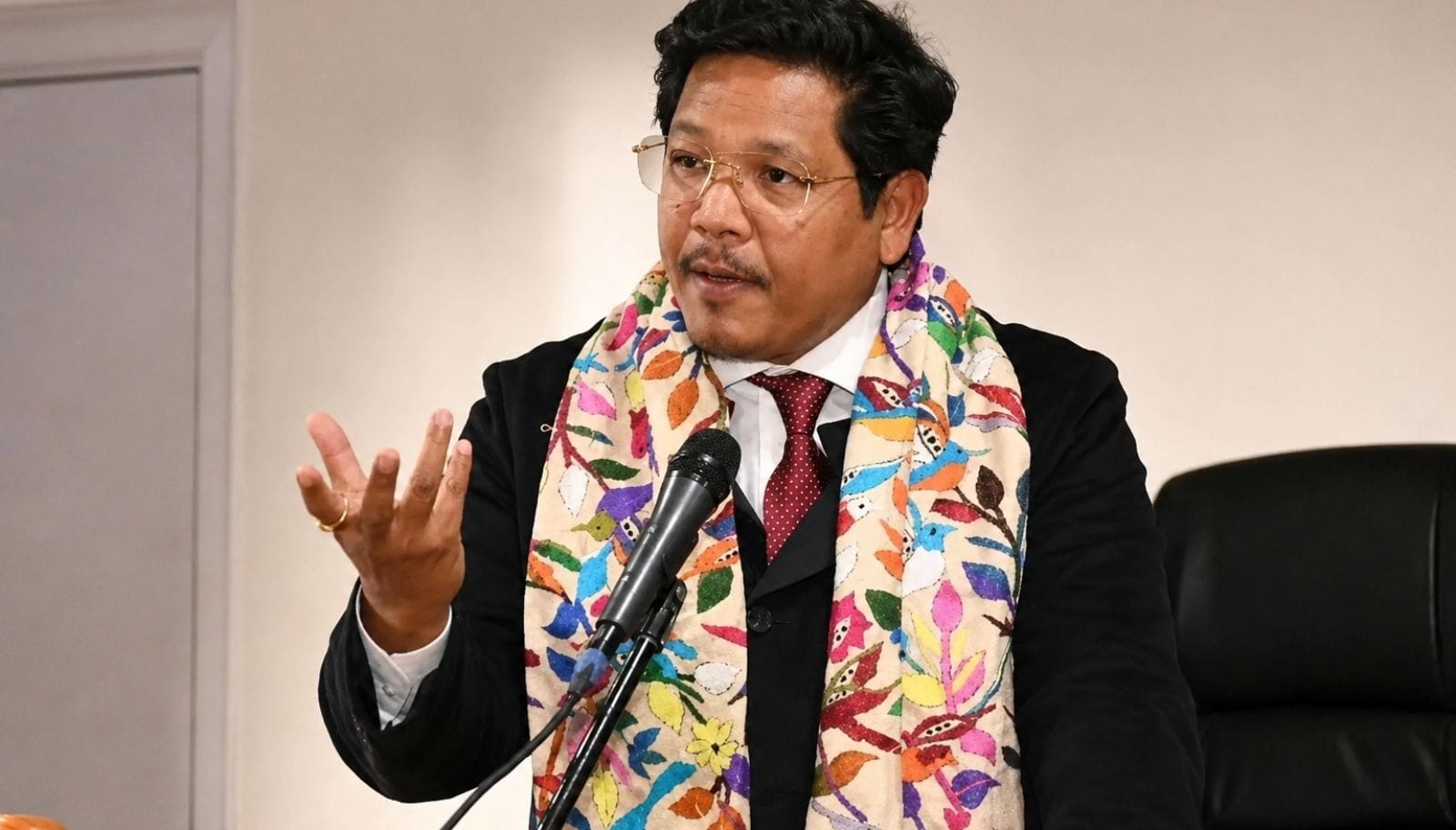
SHILLONG : Responding to public criticism, Chief Minister Conrad K Sangma said the traffic restrictions imposed during Amit Shah’s visit were necessary because of the unprecedented security requirements surrounding the NEC meeting.
The 73rd plenary session of the North Eastern Council (NEC) brought together Amit Shah, eight Chief Ministers, eight Governors and senior Union government officials. Security agencies imposed strict movement controls across parts of the city as convoys moved between venues.
Few would dispute the need for security during such a high-profile event. Yet the public frustration that followed was never really about whether security was necessary.
For many residents, the issue was whether the disruption could have been managed better. On Thursday( 04 June) Shillong’s already congested roads were pushed to breaking point. Traffic came to a standstill across several routes as restrictions coincided with peak movement hours. Long queues were reported in multiple locations, including Polo and Mawiong, while frustrated commuters spent hours stranded on roads as motorcades passed through the city.
Some residents questioned why schools, offices or other institutions were not given special advisories if major traffic restrictions were expected. Others argued that more advance planning could have reduced the burden on ordinary commuters. The frustration was amplified because the city was not dealing with a sudden emergency.
The NEC plenary session had been scheduled well in advance, giving authorities time to prepare traffic management measures and public advisories. The government’s position remains that such disruptions occur only occasionally and are part of the security requirements attached to visits by senior national leaders.
Nobody expected security arrangements to disappear. But after sitting in traffic for hours, many commuters were left wondering whether better planning could have reduced the chaos. Thursday’s experience highlighted a broader problem that extends beyond a single VIP visit.
Shillong already struggles with chronic traffic congestion on ordinary days. The arrival of multiple VVIPs simply exposed how little room the city’s road network has to absorb additional pressure when large-scale restrictions are imposed.
As a result, the debate that emerged after Amit Shah’s visit was not merely about convoy movement or security protocols. It became a discussion about planning, communication and whether public convenience receives enough attention during high-profile events.
The government’s defence may explain why the restrictions were imposed. The question many commuters continue to ask is whether the resulting disruption could have been reduced. That question is likely to remain part of the conversation long after the motorcades have left Shillong.