
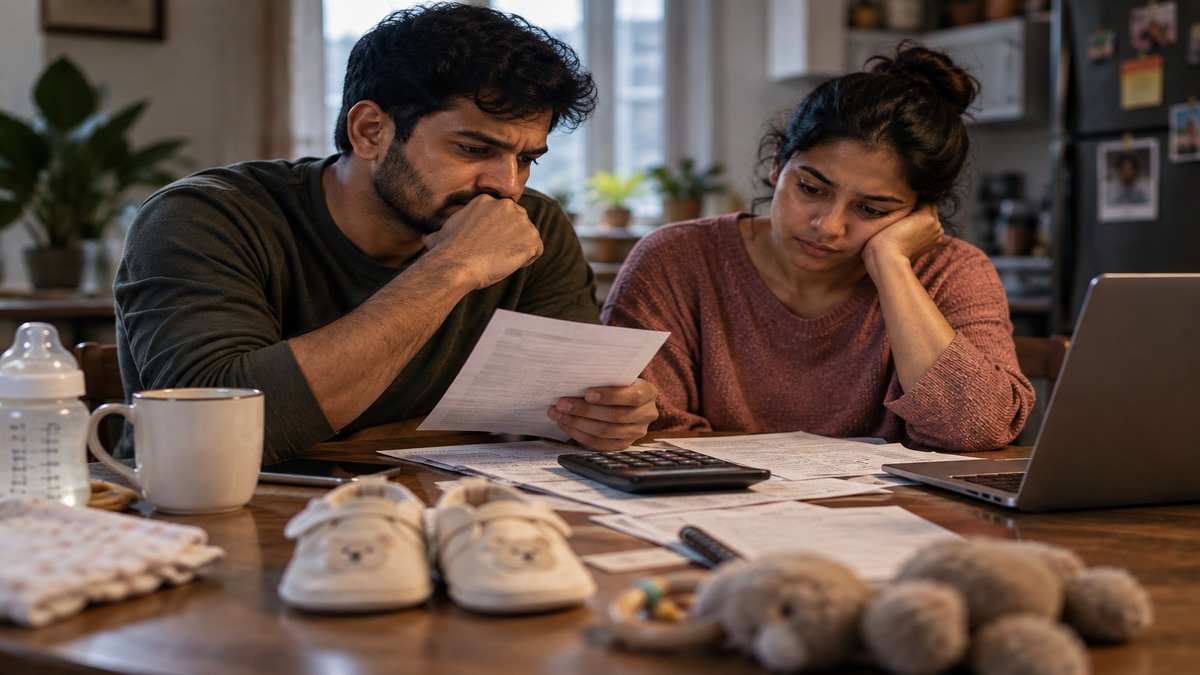
SHILLONG – Having children is still something many Indians want. The problem is that wanting a family and being able to afford one are increasingly becoming two different things.
New fertility data from the United Nations Population Fund (UNFPA) shows how money, work and personal stability are shaping decisions about parenthood, with the numbers raising an awkward question about whether falling fertility is really about people rejecting children.
UNFPA’s 2025 global fertility report found that nearly 20% of people of reproductive age believed they would not have the number of children they wanted. Financial limitations were among the major reasons people could not reach their preferred family size. In other words, the desire may still be there, but the bank balance is increasingly being invited into the family-planning discussion.
India’s figures make the situation harder to dismiss. A 2025 UNFPA-YouGov survey found that 36% of respondents had experienced an unintended pregnancy, while 30% said they had been unable to have the number of children they wanted. Financial constraints were the largest reported barrier to achieving the family size people wanted.
The newer 2026 Demographic Futures Survey points in the same direction. Among the young adults surveyed, 88% said financial security was important when considering parenthood, while stable employment and emotional readiness also ranked as major considerations. The survey is not nationally representative, so its findings cannot be treated as a complete picture of India’s young population, but the numbers still offer a revealing look at what is entering the calculation before parenthood.