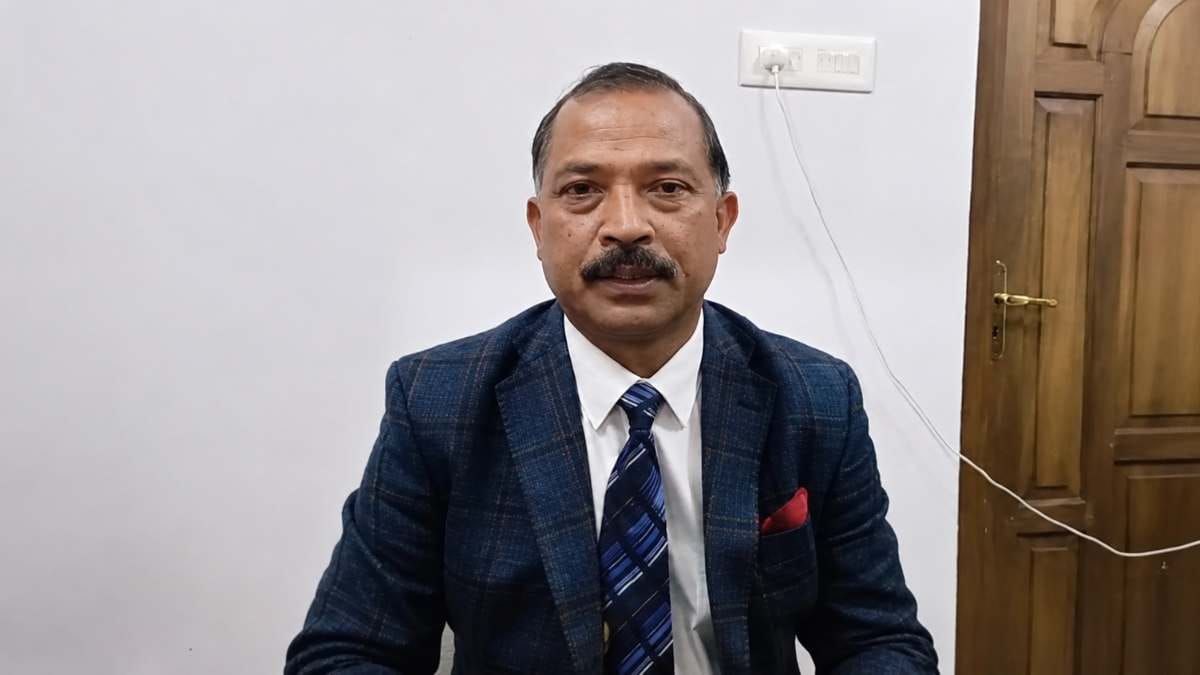
SHILLONG :The Meghalaya Pradesh Congress Committee (MPCC) has criticised the Meghalaya-Assam border agreement, warning that excluding traditional institutions and local residents from the negotiation process could create further tensions in sensitive border areas such as Lapangap.
Describing the border pact as “lip service,” MPCC president Vincent H. Pala said a lasting solution cannot be achieved through agreements signed only between the two state governments while the people directly affected on the ground remain unheard.
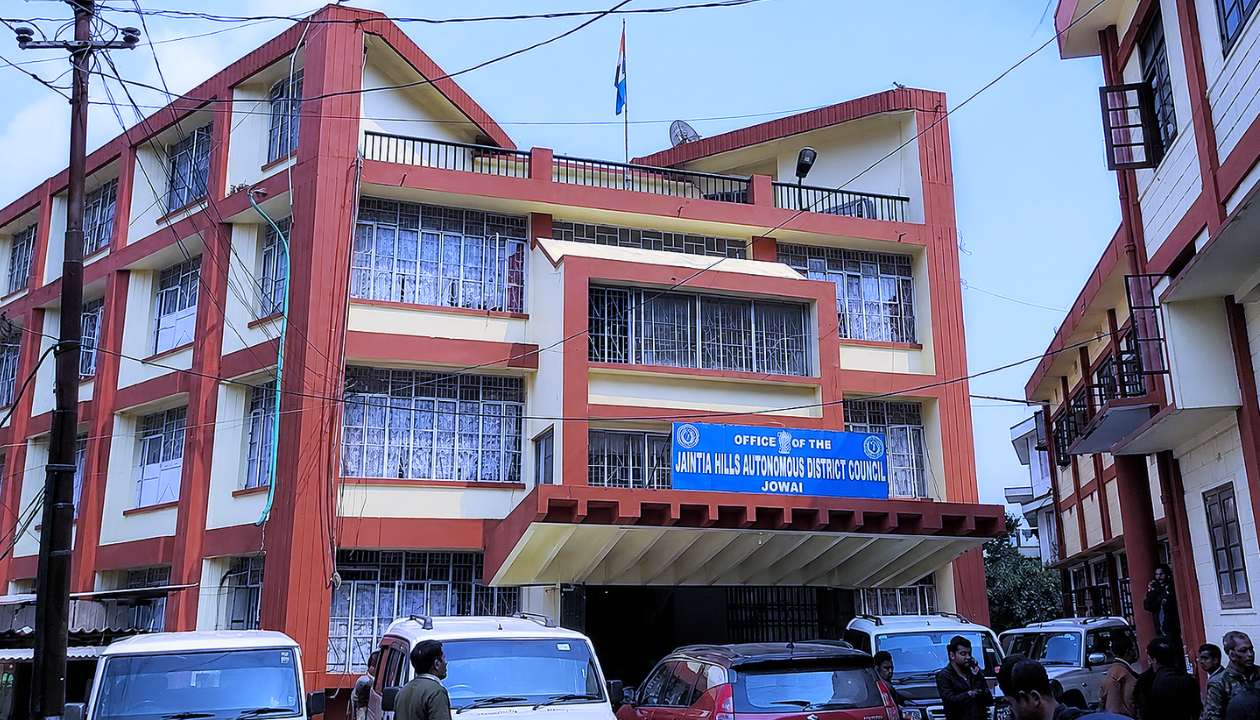
His remarks come amid renewed tensions along parts of the interstate boundary, particularly in Lapangap in West Jaintia Hills district, where residents recently travelled to Shillong alleging harassment by members of the Karbi community from Assam.
Related : CM Conrad Sangma assures support for College, Power and Border issues during Ri Bhoi meeting
Pala argued that the border issue goes beyond administrative mapping and political announcements, insisting that traditional heads, village authorities and local communities must be actively involved in the process.
According to him, institutions such as the Rangbah Shnongs, Dolois and Autonomous District Councils (ADCs) play a crucial role because the dispute is closely tied to land ownership, customary governance and local identity.
“The people living in these areas must be part of the process,” Pala said. “ If decisions are taken without their acceptance, it will become difficult to achieve long-term peace.”
He also claimed that several residents in disputed areas remain uncomfortable with parts of the settlement despite the government projecting the agreement as a major breakthrough. The Congress leader further warned that decisions taken only at the political level without involving local stakeholders could increase distrust among communities living near the border.
“The governments may sign agreements, but if the people do not accept them, tensions will continue,” he said.
Referring to the first phase of the Meghalaya-Assam border settlement, Pala also alleged that some areas were influenced by “personal land interests.” He argued that resolving isolated land disputes should not be mistaken for a complete solution to the larger interstate boundary issue. According to him, the conflict involves deeper concerns linked to historical claims, identity, customary rights and traditional jurisdiction in the border areas.
The latest developments in Lapangap have once again highlighted how fragile the situation remains in several disputed pockets despite multiple rounds of talks between Meghalaya and Assam.Border residents have repeatedly argued that realities on the ground often differ from the progress projected during official announcements.
The Meghalaya-Assam boundary dispute has remained one of the Northeast’s most politically sensitive issues for decades, affecting several sectors across both states. Although the two governments signed agreements covering parts of the disputed areas during the first phase of talks, several locations continue to witness disagreement, public resistance and periodic tensions, underlining the continuing challenges involved in finding a long-term settlement accepted by all sides.
Read Also : Why the HNLC continues targeting Ardent Basaiawmoit amid Sohra governance controversy