
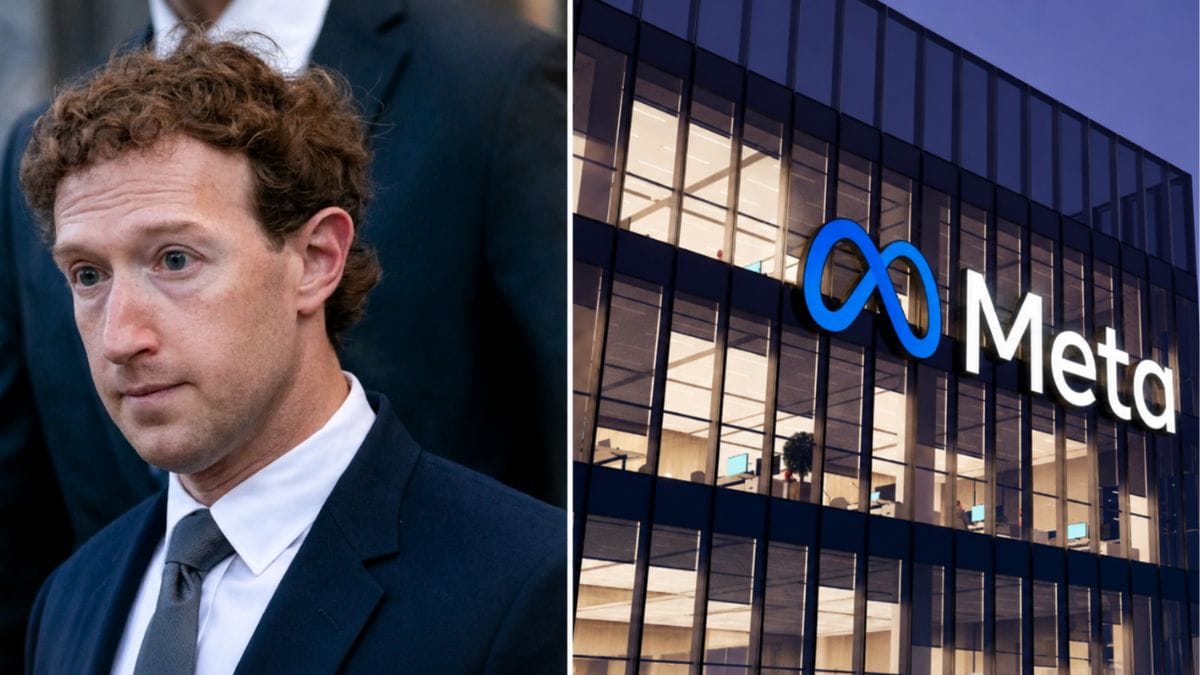
NEW YORK : Meta Platforms has agreed to pay as much as $17.1 billion to settle claims brought by nearly every US state over how it built and ran Facebook and Instagram for kids and teenagers.
The deal came out Wednesday, August 26, and still needs a judge to sign off on it. It wraps up claims from 47 states, plus Washington D.C., Puerto Rico, American Samoa and the Northern Mariana Islands, basically the entire country coming after Meta at once.
The core accusation: states say Meta built Instagram and Facebook with features specifically designed to keep young users hooked longer, all while knowing the risks that came with it. On top of that, states accused the company of lying to the public about how safe its platforms actually were, and of scooping up personal data from kids under 13 without getting parental sign-off first, something that’s flatly required by law.
Meta denies doing anything wrong. The whole thing came out of a federal trial in California involving 29 states, a case that had turned into one of the biggest legal fights any social media company has faced over what its products do to young users.
So what actually changes now?
Teens will be capped at two hours a day combined across Facebook and Instagram, not two hours each, two hours total between both apps. A parent can lift that cap, but only with their explicit okay. On top of the daily cap, Meta’s adding an automatic nighttime shutdown from midnight to 6 a.m. for anyone under 18, no feed, no Stories, no Explore, no Reels during that window. Notifications get muted too, generally blocked between 8 a.m. and 3 p.m. on school days, with exceptions carved out for safety alerts, security stuff, and direct messages.
Meta’s also tightening up how it verifies someone’s actual age, and pulling back on features that lean into social comparison, think visible like-counts and beauty filters, for younger users. Teens and their parents will get the option to switch to a feed that skips the personalized, engagement-chasing algorithm entirely. And if a teen’s scrolling for a while, they’ll start getting nudges, first at 15 minutes, then again at 60 and 90 minutes of continuous use.
Stronger parental controls are part of the package too, along with beefed-up protections around content touching bullying, eating disorders, suicide and self-harm. Independent auditors and the states themselves will be checking in to make sure all of this actually gets implemented properly.
Now, about that dollar figure. Court filings put the hard cap at $16.68 billion, while several state attorneys general are calling it a $17.1 billion deal, the gap just comes down to how the payment structure gets counted and reported. Either way, Meta’s on the hook to pay out roughly 70 percent of it, about $12.7 billion, guaranteed over the next ten years.
The rest depends on something interesting: whether YouTube and TikTok step up with similar restrictions of their own. Meta’s directly called on both platforms to match these protections, and if they do, the teen usage limits under this settlement could actually tighten further, potentially dropping to just one hour a day.
This isn’t Meta’s first loss on this front either. Just weeks ago in New Mexico, a judge ordered the company to pay $567 million after ruling it had created a public nuisance through how it handled young users, stacked on top of an earlier $375 million civil penalty in the same case. Meta says it plans to appeal that one.
And this settlement doesn’t close the book entirely, plenty of lawsuits from individuals, school districts, and other governments are still working their way through courts elsewhere in the US.
Still, this stands as one of the largest financial settlements ever involving a tech company, and it puts real, enforceable limits on how Facebook and Instagram operate for millions of teenagers going forward.