Meghalaya’s ‘Tracing the Roots’ initiative is one of the state’s most ambitious research projects on indigenous history, but it is also one of the least understood. When the project was announced, much of the public discussion centred on one aspect the proposed use of genetic studies. However, government documents show the initiative goes far beyond DNA research.
Led by the Department of Arts and Culture, the project aims to study and document the history, languages, culture, heritage and historical development of Meghalaya’s indigenous communities through a combination of traditional knowledge and modern academic research.
Chief Minister Conrad K. Sangma on Friday reviewed the progress of the initiative with the committee overseeing the project. Officials informed him that preparatory work has been underway since February, including the formation of research teams, development of the project framework and preparation of the implementation roadmap.
According to the government, the objective is to build an evidence-based understanding of Meghalaya’s indigenous heritage while preserving knowledge that has largely been passed down through generations.
More than a study of origins
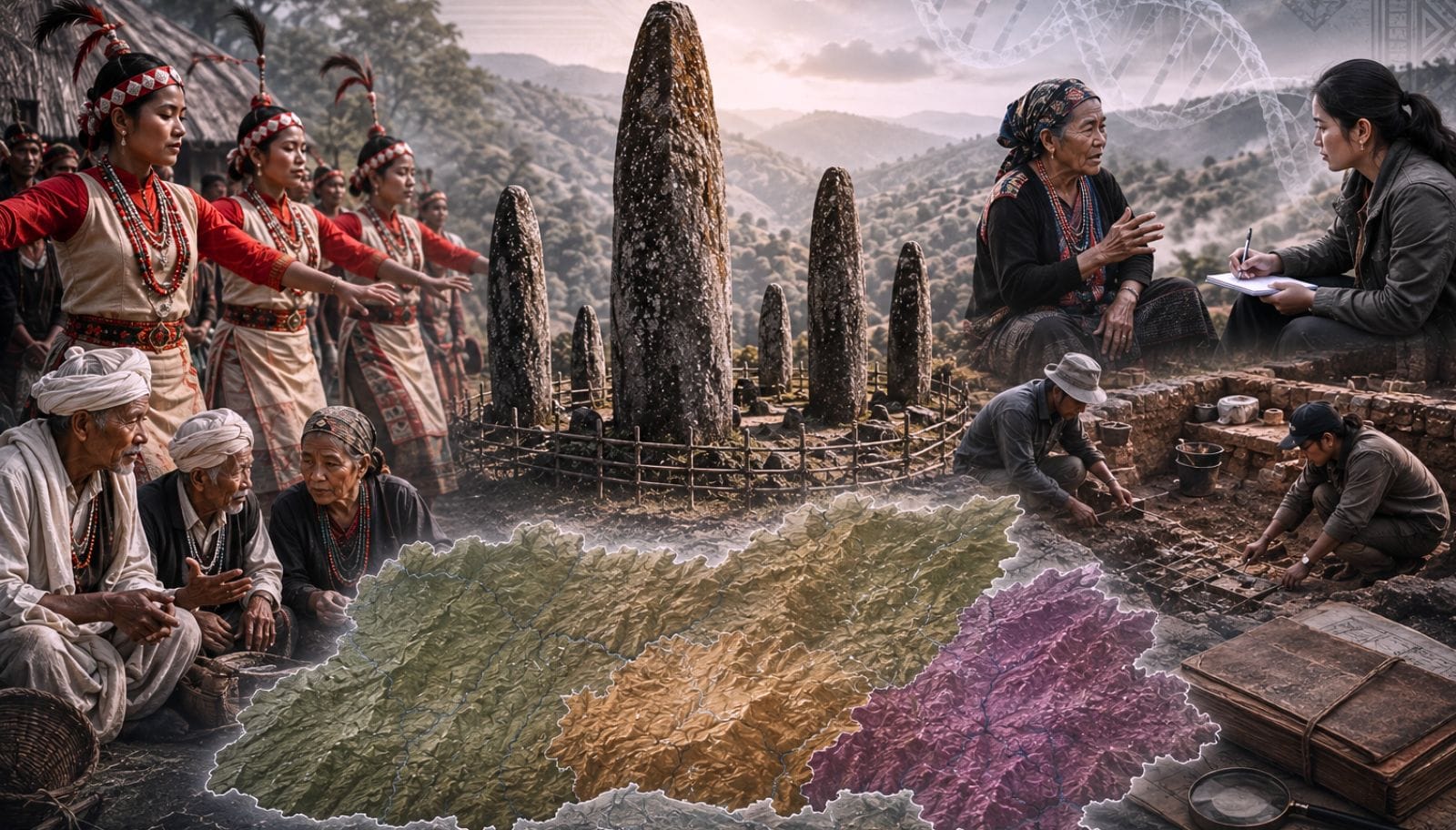
Despite its name, ‘Tracing the Roots’ is not limited to finding where the Khasi, Jaintia and Garo communities came from. The project seeks to examine how indigenous communities evolved over centuries by bringing together different fields of research. It will study oral traditions, Indigenous Knowledge Systems, linguistics, archaeology, ethnography and historical records to better understand the development of communities, languages and customary institutions.
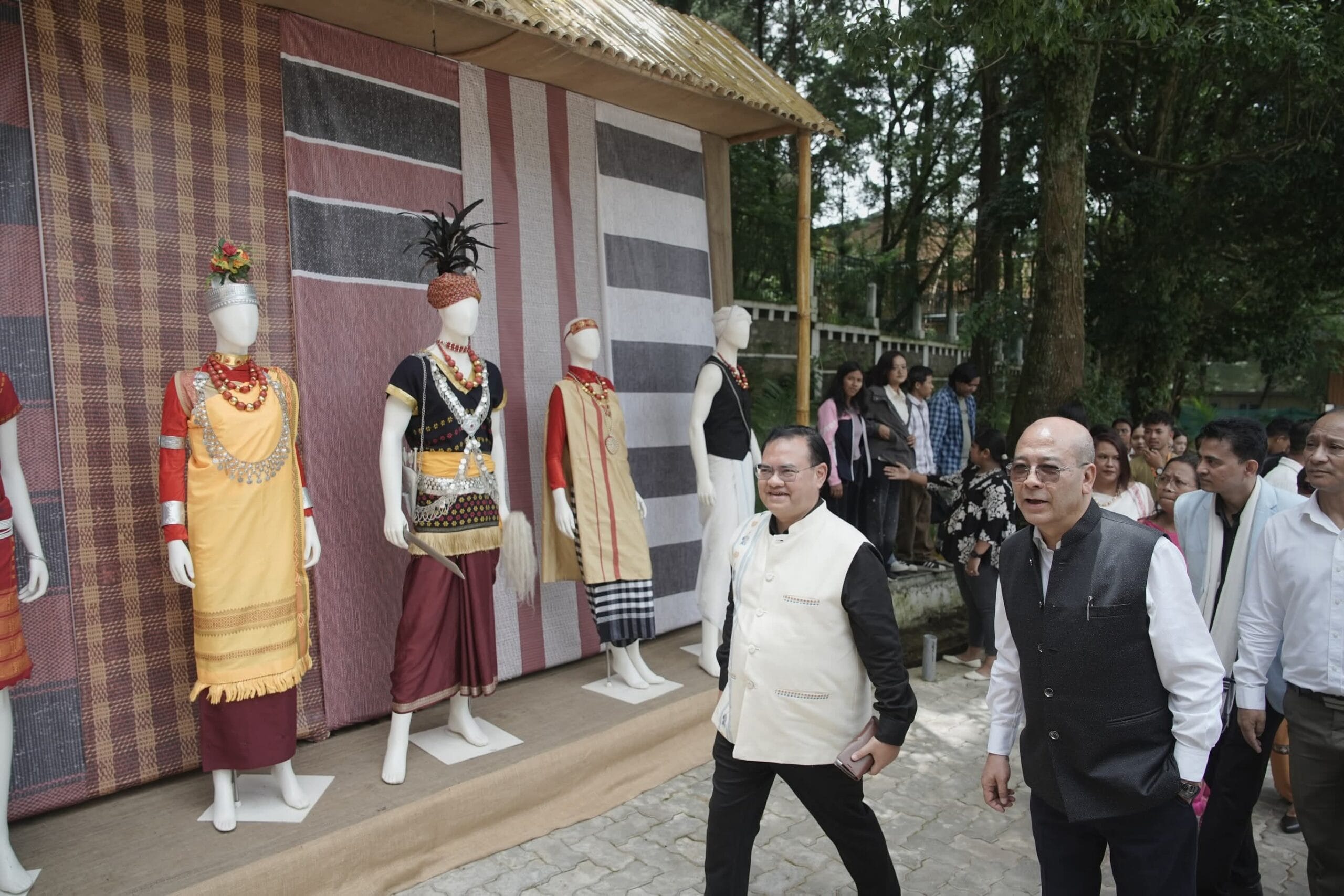
Researchers will also document festivals, material culture, traditional governance systems and the vitality of indigenous languages. Much of this knowledge continues to survive through oral traditions rather than written records, making documentation an important part of the initiative.
Officials say the project is intended to preserve these cultural resources while creating reliable reference material for future academic research.
Why genetic studies are part of the project
One of the most discussed aspects of the initiative is the inclusion of genetic studies. However, the government has made it clear that such studies will be carried out only where appropriate and will form just one part of a much broader research programme.
Historical documents, archaeology, linguistics, ethnography and oral history will remain central to the study. Genetic research is expected to complement these disciplines by helping researchers examine existing theories relating to the origins and historical movements of indigenous communities.
Rather than relying on a single source of evidence, the project proposes a multidisciplinary approach, allowing researchers to compare historical records with language, culture, archaeology and scientific findings before drawing conclusions.
What the project will produce
The initiative is also designed to create a permanent record of Meghalaya’s indigenous heritage.
According to the government, dedicated digital platforms have already been developed to document the progress of the research, preserve knowledge resources and encourage public engagement throughout the project.
Officials said the initiative will involve collaboration with leading national and international academic institutions for comparative historical, linguistic and cultural studies. The research is expected to result in scholarly publications, educational resources and comprehensive digital repositories.
Beyond academic research, the project seeks to preserve oral histories, customary institutions and indigenous knowledge that continue to shape the identity of communities across Meghalaya.
By combining traditional knowledge with modern research methods, the government hopes to create a lasting archive that can serve scholars, educational institutions, policymakers and future generations.
While the initiative remains in its early stages, the groundwork completed over the past several months marks the beginning of what could become one of Meghalaya’s most comprehensive studies of its indigenous history, language and cultural heritage.