
NEW DELHI — India’s retail inflation rose to 5.54% in September from 4.83% in August, as food inflation accelerated and the cost of several everyday essentials climbed sharply. Rural households faced a steeper increase, with inflation in rural areas crossing 6% for the month.
Data released by the Ministry of Statistics and Programme Implementation on October 12 showed that food inflation reached 7.74%, up from 5.97% in August. The increase in food prices was substantially sharper than the rise in overall retail inflation.
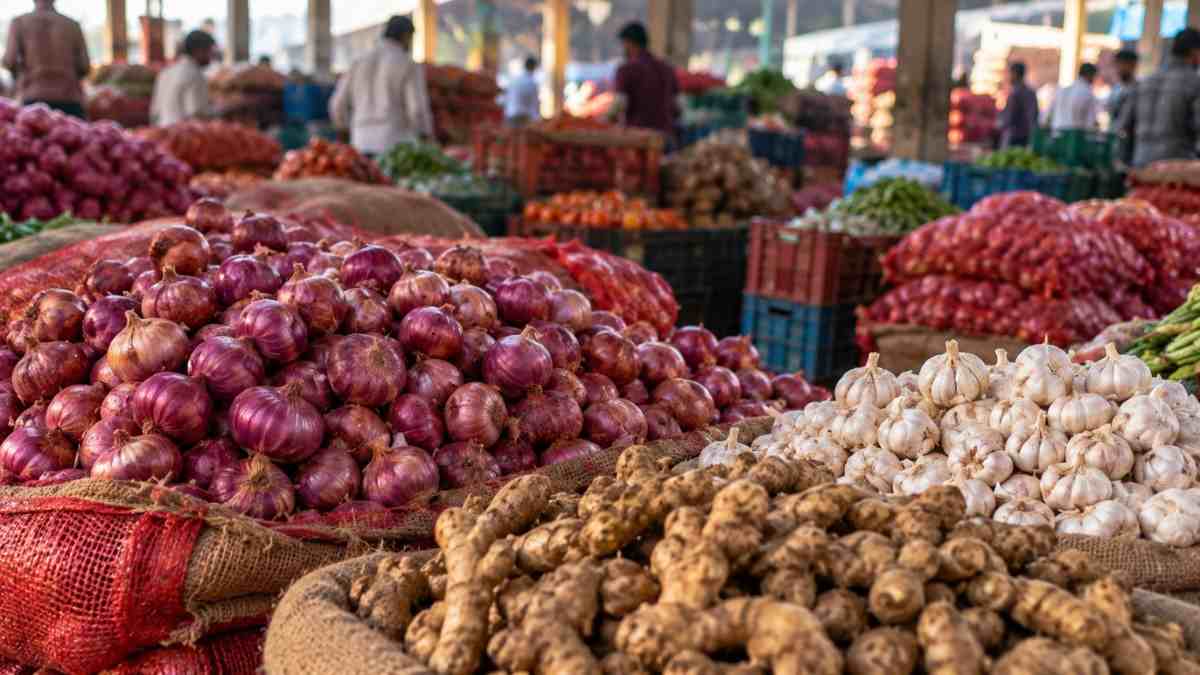
Onion prices recorded one of the steepest increases, with onion inflation surging to 108.09% in September from 48.78% a month earlier. Ginger inflation reached 62.85%, while garlic prices rose 54.62% year-on-year. Lemon prices increased by 36.41%.
Not every vegetable became more expensive. Potato prices fell 11.50% year-on-year, while tomatoes declined by 8.62%. But the sharp increases in onions, ginger and garlic pushed up the cost of several commonly used kitchen ingredients. The rise was sharper in rural India, where retail inflation reached 6.08% in September, up from 5.24% in August. Urban inflation increased from 4.31% to 4.88%. Rural food inflation stood at 8.06%, compared with 7.18% in urban areas, according to the government data.
Inflation also increased beyond food. Transport inflation stood at 5.01%, while prices in the personal care, social protection and miscellaneous goods and services category rose 13.75%. Restaurants and accommodation services recorded inflation of 9.36%.
The September reading was the highest in the new CPI series, introduced with 2024 as its base year. Headline inflation remained below the RBI’s upper tolerance limit of 6%, but stood well above its medium-term target of 4%.
The RBI raised its benchmark repo rate by 25 basis points to 5.50% earlier in October and increased its inflation forecast for the current financial year to 5.2%. The latest price data adds to the pressure facing the central bank as it weighs the risk of inflation persisting.