
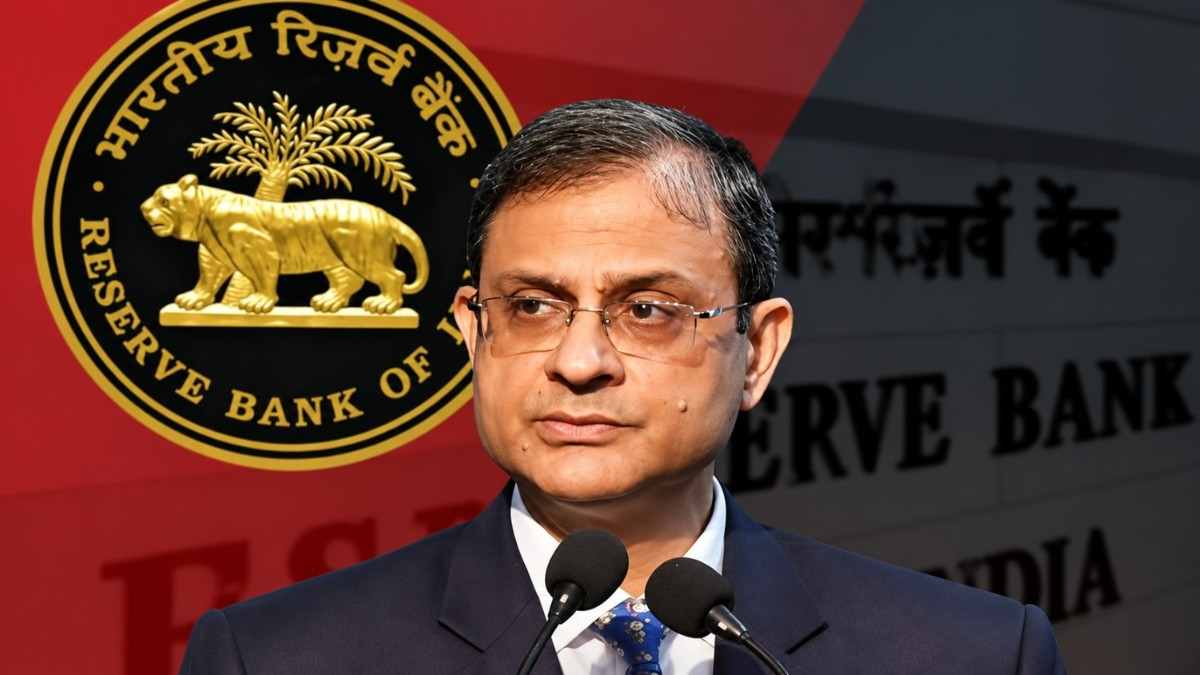
The Reserve Bank of India raised the repo rate by 25 basis points to 5.50 per cent on Wednesday, its first increase in nearly four years, as inflation pressures picked up and crude oil prices added another risk for the economy.
The six-member Monetary Policy Committee voted unanimously for the increase and changed its stance from neutral to calibrated tightening. The RBI has now moved away from the rate-cut cycle that had supported borrowing costs over the past year.
The decision came even as the central bank raised its forecast for economic growth. The RBI now expects India’s real GDP to grow 7.1 per cent in 2026-27, against its earlier estimate of 6.7 per cent, after the economy grew 7.8 per cent in the first quarter. Growth is projected at 7.2 per cent in the second quarter, 6.9 per cent in the third and 6.8 per cent in the fourth quarter.Inflation has been moving the other way. Consumer price inflation rose to 4.8 per cent in August from 4.5 per cent in July, while core inflation increased to 4.2 per cent after staying at around 3.9 per cent for three months.
The RBI has raised its FY27 inflation forecast to 5.2 per cent. It expects inflation to reach 6 per cent in the third quarter and 5.7 per cent in the fourth quarter.
Food prices remain one pressure point, but the RBI’s concern now extends beyond food. It has flagged fuel prices, uneven monsoon conditions, possible El Niño effects and higher volatility in international crude oil prices. Around 37 per cent of the CPI basket recorded inflation above 4 per cent in August, according to the RBI’s assessment. Crude oil is a particular problem for India because the country depends heavily on imports for its petroleum needs. Higher international prices raise the import bill and can push up transport and production costs across the economy. The recent rise in crude prices amid the West Asia conflict has added to that risk.
Bank credit has also been expanding quickly. Credit growth was around 18.8 per cent, while monetary and credit aggregates continued to rise. The RBI said domestic economic activity remains firm, supported by consumption and investment. The banking system is carrying a sizeable liquidity surplus at the same time. Surplus liquidity has averaged around Rs 7.3 lakh crore, or 2.7 per cent of deposits, since early September, according to Reuters reports. The RBI expects the excess liquidity to reduce towards the end of the financial year.
The central bank has been using bond sales, foreign exchange operations and short-term liquidity operations to bring down the surplus. It did not raise the cash reserve ratio in Wednesday’s policy decision. For borrowers, the repo increase can push up lending rates, particularly on loans linked to external benchmarks. Home loans, vehicle loans and business borrowing are among the facilities that can see a quicker transmission when banks revise their lending rates.
Banks, however, do not have to raise deposit rates by the same 25 basis points. Their large liquidity surplus has reduced the immediate need to compete aggressively for deposits, although that could change as surplus liquidity falls. The RBI’s decision also puts an end, for now, to expectations of another quick rate cut. The repo rate is now 5.50 per cent, while the Standing Deposit Facility is at 5.25 per cent and the Marginal Standing Facility and Bank Rate are at 5.75 per cent.
The central bank is now dealing with a stronger economy than it expected earlier, but also with an inflation outlook that has become less comfortable. Its next decisions will depend heavily on how prices, crude oil and domestic demand move in the months ahead.