As concerns grow over the impact of the West Asia crisis on global fuel prices and economic stability, Prime Minister Narendra Modi has appealed to citizens to adopt more cautious spending and energy-use habits, warning that collective public behaviour could play an important role in protecting India’s economy during uncertain times.
Speaking at a public gathering in Hyderabad, Modi urged people to reduce unnecessary fuel consumption, avoid wasteful spending and support locally made products as international tensions continue affecting global energy markets.
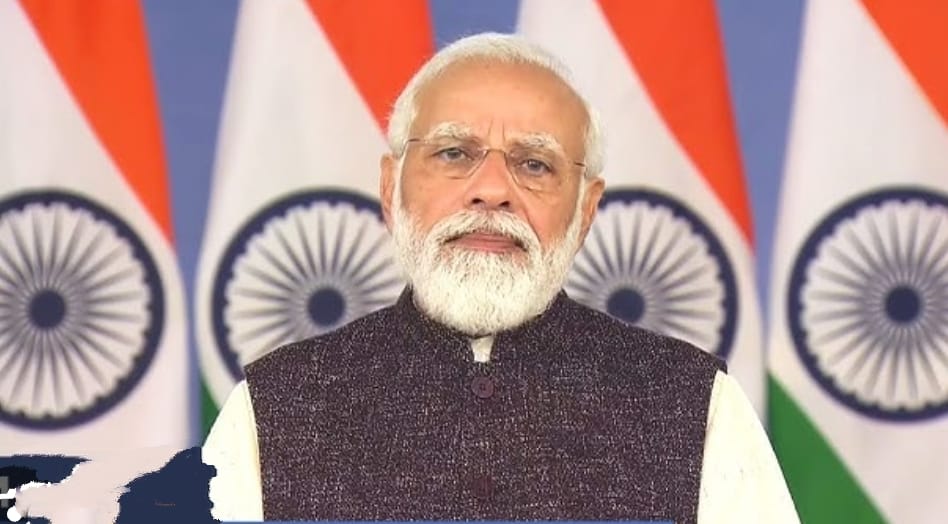
Hyderabad, May 10 : Prime Minister Narendra Modi on Sunday called on citizens to exercise restraint in fuel consumption and revive some of the practices adopted during the Covid-19 pandemic, including work-from-home arrangements and virtual meetings, amid growing concerns over global oil supply disruptions linked to the West Asia conflict.
Addressing a public meeting, Modi said India remains heavily dependent on imported petroleum products and that responsible public behaviour could help reduce pressure on the country’s economy during periods of international uncertainty.
“We successfully adapted to online meetings and work-from-home systems during the pandemic. Wherever possible, such practices can once again help reduce unnecessary travel and fuel usage,” Modi said.
The Prime Minister encouraged citizens to use public transport, metro rail services, railways and carpooling instead of relying heavily on private vehicles. Modi said, reducing fuel consumption would not only conserve energy but also help limit foreign exchange outflow caused by rising oil imports.
His remarks come at a time when global markets remain concerned about the possibility of disruptions in crude oil supply due to tensions in West Asia, a region that plays a major role in global energy production.
Related : World Bank-backed Project revives Meghalaya forests, springs and living root Bridges
Appeal to Reduce Non-Essential Spending
Apart from fuel conservation, Modi also appealed to citizens to postpone non-essential foreign travel for at least one year, particularly expensive overseas vacations and destination weddings. He noted that the growing trend of international leisure spending among sections of the middle class contributes significantly to foreign exchange outflow.
“At a time when the global economic situation remains uncertain, every effort to strengthen domestic economic stability matters,” he said.
The Prime Minister also urged people to avoid unnecessary gold purchases for one year, especially during festivals and wedding seasons. India remains one of the world’s largest importers of gold, and officials have often expressed concern about the pressure such imports place on foreign exchange reserves.
Push for Self-Reliance and Domestic Consumption
Modi further encouraged citizens to prioritise India-made products, linking his appeal to the government’s broader push for self-reliance and domestic manufacturing under initiatives such as “Make in India” and “Atmanirbhar Bharat.
While no formal restrictions or emergency measures were announced, the Prime Minister framed his suggestions as voluntary public cooperation aimed at reducing economic vulnerability during a period of global instability.
Read Also : Meghalaya GSDP doubles since 2018, targets further growth by 2032: Conrad Sangma