SHILLONG : In a move aimed at curbing VIP culture and preventing misuse of official privileges, the Meghalaya government has notified new regulations restricting the display of official name boards on vehicles and prohibiting the use of sirens, beacons and unauthorised tinted glass.
The Display of Name Boards on Motor Vehicles (Regulations), 2026, was notified by the Transport Department through Notification No. TPT. No.72/2025/5 dated June 1, 2026, issued by order of the Governor under Section 65(2)(p) of the Motor Vehicles Act, 1988.
The regulations apply across Meghalaya and seek to standardise the use of official vehicle identification while preventing unauthorised individuals from displaying VIP-style name plates or claiming official privileges on public roads.
Issued following a Cabinet decision, the regulations seek to standardise the use of official vehicle identification and prevent unauthorised individuals from displaying VIP-style name plates.
Under the new rules, only specified categories of constitutional authorities, elected representatives, judicial officers and senior government officials are permitted to display official name boards on their vehicles.
The regulations prescribe exact formats for each category.
For example, the Governor’s vehicle must display “GOVERNOR OF MEGHALAYA”, while vehicles used by the Chief Minister, Deputy Chief Minister and Cabinet Ministers must display “CHIEF MINISTER MEGHALAYA”, “DEPUTY CHIEF MINISTER MEGHALAYA” and “MINISTER GOVT. OF MEGHALAYA” respectively.
Must Read. : Meghalaya govt warns vehicle owners over missing HSRP, Documents
Separate formats have also been prescribed for judges, MPs, MLAs, Deputy Commissioners, Superintendents of Police, Autonomous District Council leaders, senior bureaucrats and university authorities. The notification further mandates that every authorised name board must have a red background and measure exactly 50 centimetres by 15 centimetres.
One of the key provisions of the regulations is what officials describe as the “user-presence rule”. According to the notification, the name board is attached to the office-holder and not the vehicle itself. This means that whenever the authorised official is not travelling in the vehicle, the name board must be removed or fully covered.
The regulations also reinforce an existing ban on the use of sirens, flashing beacons and unauthorised tinted glass. Even officials entitled to display official name boards are not permitted to use sirens, red or blue beacon lights, or black films on vehicle windows unless specifically authorised under separate security provisions.
The notification states that no vehicle outside the approved categories may display any official board without obtaining permission from the Transport Department. Officials say the move is intended to prevent the widespread practice of unauthorised use of VIP-style name plates and reduce the perception that public office grants special privileges on public roads.
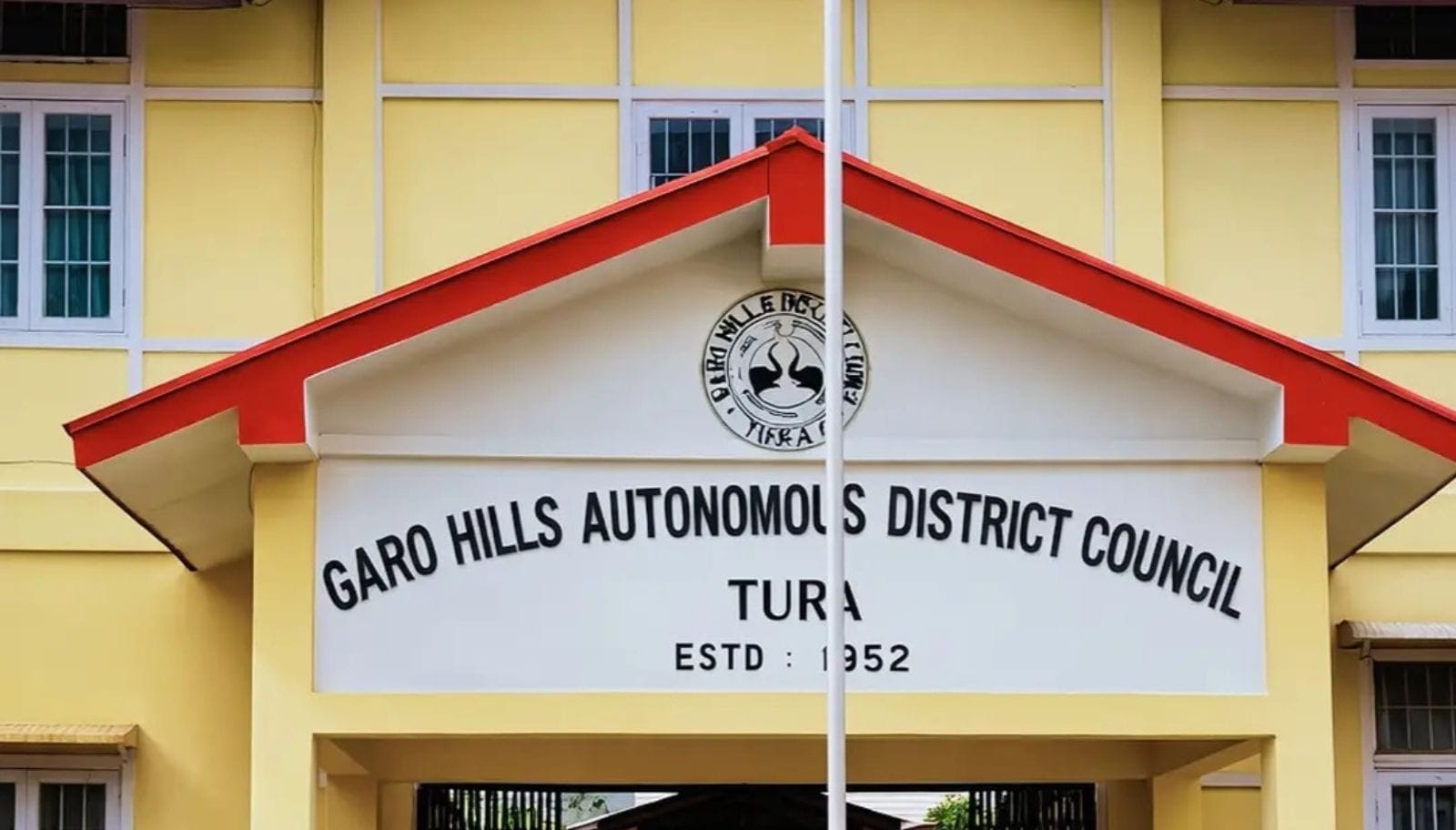
The regulations cover a broad range of office holders, including the Governor, Chief Minister, Deputy Chief Minister, Cabinet Ministers, Speaker and Deputy Speaker of the Meghalaya Legislative Assembly, Members of Parliament, Members of the Legislative Assembly, judicial officers, Chief Secretary, Director General of Police, Deputy Commissioners, Superintendents of Police and designated officials of Autonomous District Councils.
The rules also extend to heads of government departments, constitutional and statutory authorities, and Vice-Chancellors, Pro Vice-Chancellors and Registrars of Central and State universities.
Read Also : Meghalaya:How bike taxis became one of Shillong’s biggest transport controversies
For the public, the regulations mean that vehicles cannot display official name boards unless specifically authorised under the rules, while even eligible officials remain subject to restrictions on sirens, beacon lights and tinted glass.
With the regulations now in force across Meghalaya, the government hopes the standardised system will bring greater accountability, reduce misuse of official identification and reinforce efforts to curb VIP culture in the state.