New Delhi : The Central Government has introduced tougher rules for social media platforms in a bid to tackle the growing misuse of artificial intelligence (AI), especially deepfakes, fake videos and AI-generated content used to mislead people.
The changes, brought through amendments to the Information Technology (IT) Rules, require social media companies to clearly identify AI-generated content and ensure that such material carries traceable information showing it was created or altered using artificial intelligence.
The move comes as AI tools become more common and are increasingly used to create realistic-looking photos, videos, voices and text that can be difficult to distinguish from genuine content.
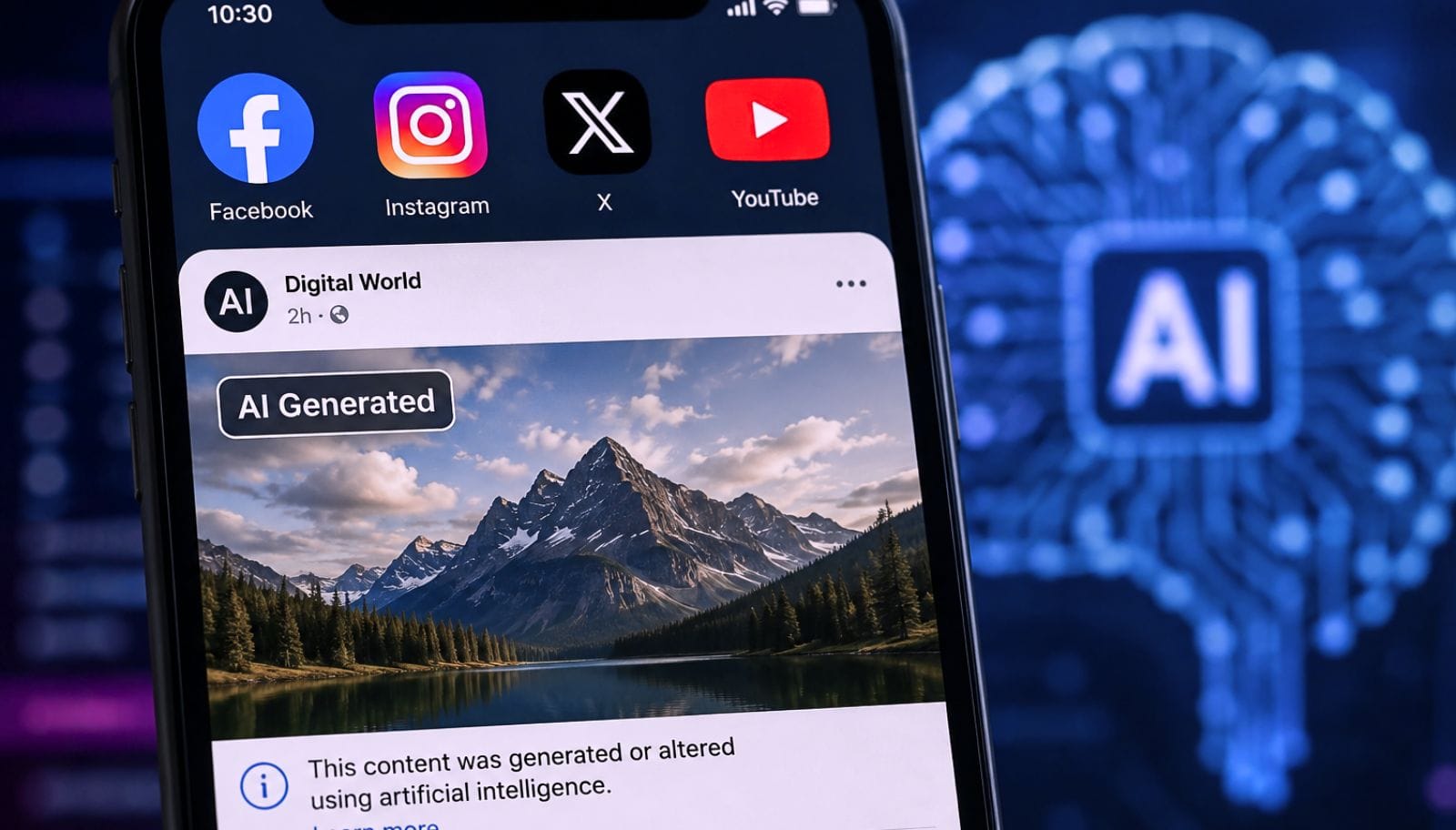
Under the revised rules, platforms such as Facebook, Instagram, X, YouTube and other social media services must take stronger steps to prevent the spread of illegal AI-generated material. They must also inform users that creating or sharing prohibited AI content could lead to legal action.
The government has made it clear that the new rules are aimed at improving transparency rather than stopping the use of AI altogether. People will still be able to create AI-generated content where it is lawful, but users should be able to recognise when content has been produced or modified using artificial intelligence.
The amendments also target harmful forms of synthetic media, including deepfakes, manipulated audio and video recordings, AI-enabled impersonation, non-consensual intimate images and child sexual abuse material (CSAM).
Officials say such content has become easier to produce with modern AI tools, increasing the risk of online scams, misinformation and damage to people’s reputations.
One of the key changes is that platforms are expected to respond more quickly when illegal AI-generated content is identified. They are required to remove prohibited material within a much shorter time after receiving valid directions from the authorities or a court.
The new obligations also place greater responsibility on technology companies to improve their systems for detecting and dealing with harmful AI-generated content before it spreads widely online.
For ordinary users, the rules mean they should begin seeing clearer labels on AI-generated images, videos and other content shared on social media. This is intended to help people make informed decisions about what they see online and reduce the chances of being misled by realistic fake content.
The changes are also expected to affect news organisations, content creators and digital publishers. Newsrooms will need to be more careful when using AI-generated visuals and verify viral content before publishing, while creators may need to disclose when AI has been used in producing their work.
The Centre says the amendments are designed to make the online space safer as artificial intelligence becomes a larger part of everyday digital life. By requiring AI-generated content to be labelled and holding platforms more accountable, the government hopes to curb the spread of deepfakes and other harmful synthetic media while allowing responsible use of AI technologies.