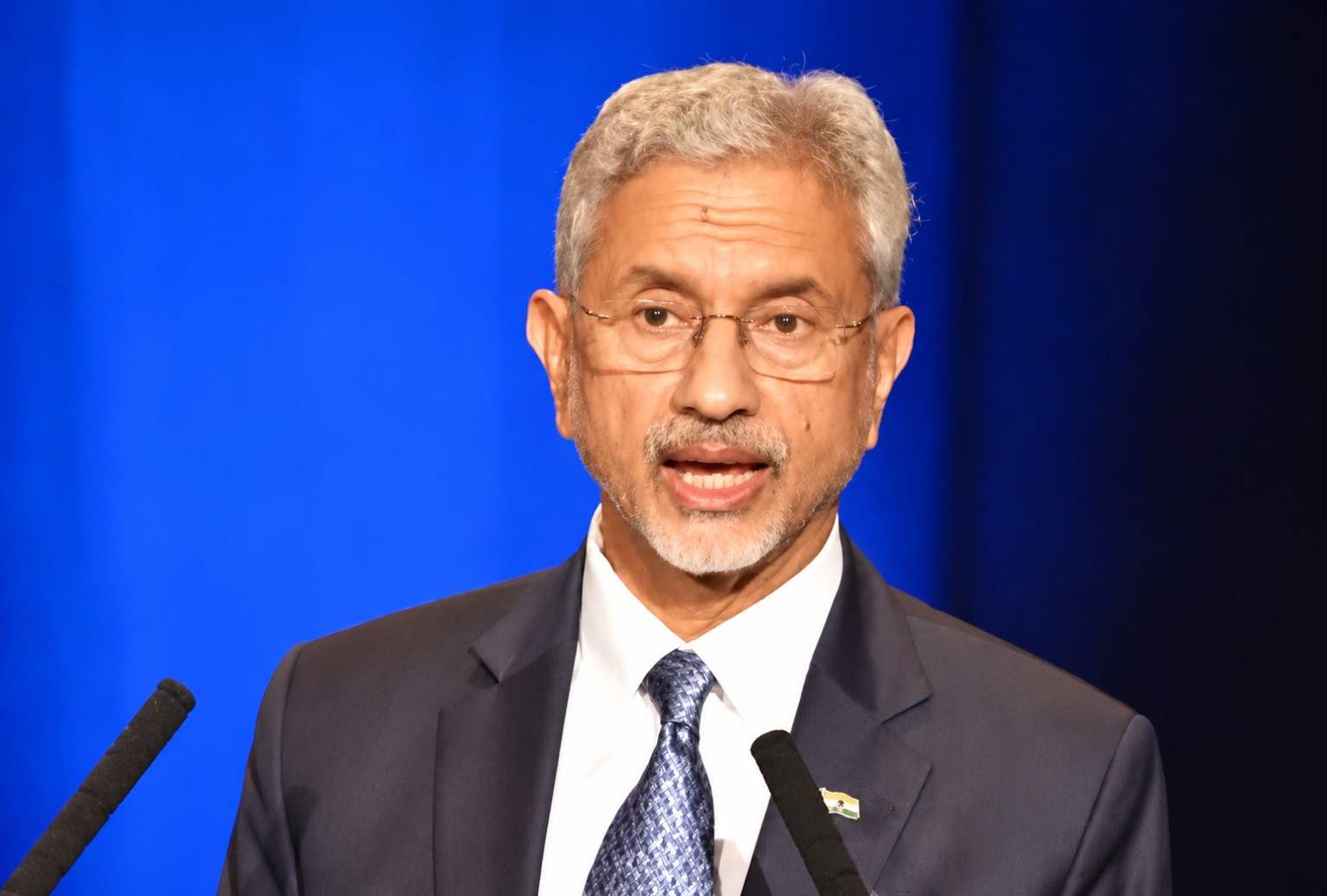
NEW DELHI — External Affairs Minister S. Jaishankar has warned that the world could be heading into a major food crisis, and the reason isn’t any single event, it’s three of them lining up at once.
Speaking at an Asia Society event in New York, Jaishankar pointed to disrupted grain shipments, serious fertiliser shortages, and the possible intensification of El Niño as pressures now converging together. He blamed the Ukraine war and the Iran-Gulf conflict directly for squeezing global energy, food and fertiliser supplies, warning that developing economies would feel it hardest.
Food production runs on more than just crops in the ground. Farmers need fertiliser, fuel to run equipment, and ships to move grain across borders. When exporters struggle to ship supplies and fertiliser gets more expensive or harder to find, farmers in countries that import it end up paying more to plant less. That cost eventually shows up on grocery shelves.
El Niño is the third factor. It’s a warming of surface waters across the central and eastern tropical Pacific, and it can throw weather patterns off worldwide. For India, that means the southwest monsoon, and the risk that rainfall doesn’t arrive the way it should. India’s Ministry of Earth Sciences already flagged this in July: El Niño was weak in June, moderate by July, and could grow into a “very strong” event between October and December this year, though the ministry says the final impact on India still depends on several other atmospheric factors.
India is already planning around that risk. The Centre set its 2026-27 foodgrain production target at 373.93 million tonnes, down from the 376.56 million tonnes India actually produced in 2025-26, and officials have pointed to El Niño as the reason for the lower number, with 177.72 million tonnes expected to come from the rabi season alone.
India isn’t short on fertiliser right now, though. The Agriculture Ministry says supplies for the upcoming rabi season are sufficient.