
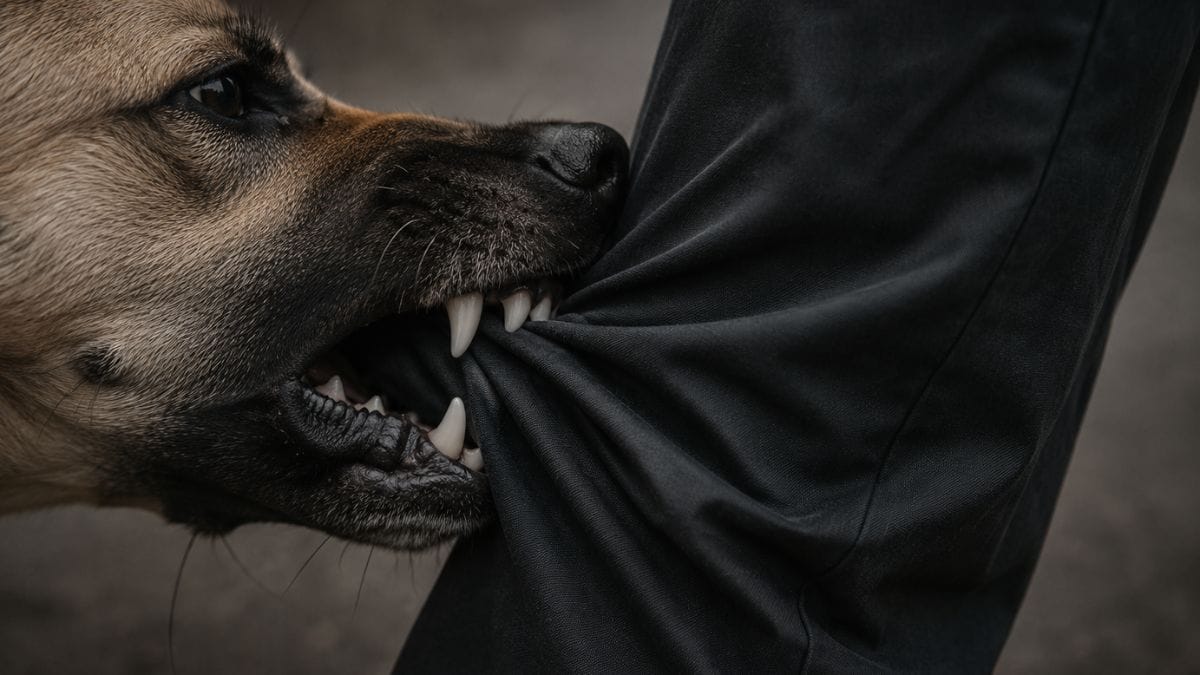
SHILLONG – More than 7,500 dog-bite cases have been reported in East Khasi Hills in eight months, pushing the district administration into a tougher fight against rabies.
But the figures have also put pet owners under the spotlight. Around 80% of the 2,823 cases recorded between January and July involved domestic dogs, according to the district administration.
Deputy Commissioner Abhilash Baranwal said the figures were based on reported cases and the actual number could be higher.
The administration has launched a pilot project in Laban, combining free anti-rabies vaccination with sterilisation of stray and domestic dogs, as part of its target to eliminate dog-mediated rabies by 2030. The project was launched by Baranwal along with Additional Deputy Commissioner Ferdinand Basan and District Veterinary Officer Dr. Nina Marbaniang.
But the plan is not limited to vaccination and sterilisation. Dorbar Shnongs will have to identify designated areas for feeding stray dogs, while indiscriminate feeding in public places has been prohibited.
Pet owners will also come under tighter scrutiny. Those keeping breeds classified as high-risk or aggressive, including Pitbulls, Rottweilers, German Shepherds and Dobermans, have been directed to display warning signs at their gates. Negligent pet owners could face FIRs, while Dorbar Shnongs have been empowered to impose fines and lodge complaints for violations of the guidelines.
The pilot includes dog enumeration, vaccination, sterilisation and post-sterilisation care, along with registration and vaccination of pet dogs.
The administration also plans to expand the programme to other parts of Shillong before taking it to rural areas.
Baranwal said information available to the administration suggested East Khasi Hills could be seeing close to 10,000 dog-bite cases annually.
He also stressed the seriousness of rabies, saying the disease is fatal once symptoms develop but can be prevented through timely vaccination.