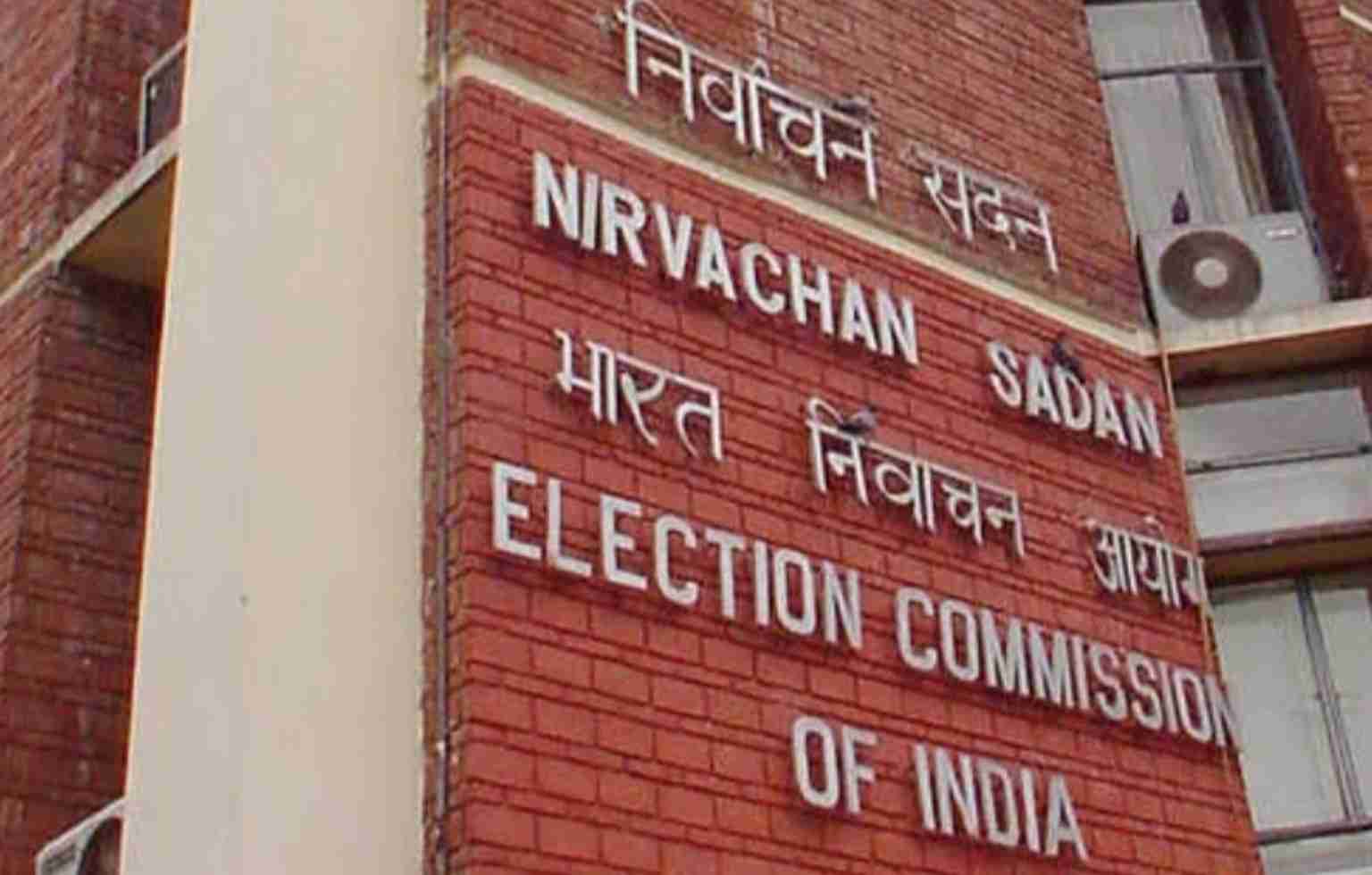
NEW DELHI — The Election Commission of India on Wednesday publicly defended its internal decision-making after a report detailed repeated objections raised by two of its three Election Commissioners over several decisions concerning electoral rolls and the Special Intensive Revision (SIR).
In an eight-point statement, the Commission said differences of opinion, written observations and technical suggestions were normal features of deliberation within a multi-member constitutional body.
The statement followed a report that Election Commissioners Sukhbir Singh Sandhu and Vivek Joshi had formally objected at least 14 times over 10 months to decisions and directions concerning voter registration, electoral-roll management and other matters linked to the poll panel’s work. The ECI did not dispute the existence of the internal notes but said such observations formed part of the process before a final decision was taken.
“Differing views and observations are a normal part of deliberation in any institution,” the Commission said.
It added that not only the three Election Commissioners but also officers of the Commission were authorised to place suggestions before the body for improving the electoral system.
The Commission specifically said decisions relating to electoral-roll revision, including SIR, were taken unanimously by the full Commission. It also said that focusing on selected internal notes over a 10-month period presented only one part of its work.
According to the ECI, the Commission has taken numerous decisions, issued instructions and introduced around 40 new initiatives and electoral reforms during the past year. These included electoral-roll revision exercises carried out across the country. The Commission also referred to its recent election-related work in Bihar, Kerala, Tamil Nadu, Puducherry, Assam and West Bengal, saying these operations involved extensive administrative machinery and multiple approvals and instructions.
The poll panel separately defended the security of its digital platforms, including ECINet. It said the systems operate under security protocols, IT checks and audit controls intended to prevent unauthorised access or manipulation. The ECI also pointed to the statutory role of Electoral Registration Officers and District Election Officers in registering and deleting names from electoral rolls under the law.
The Commission said all official orders, decisions and administrative directions issued under its authority followed the statutory framework established by the Chief Election Commissioner and Other Election Commissioners (Appointment, Conditions of Service and Term of Office) Act, 2023.
The reported objections had included concerns over changes to voter registration procedures and access to electoral-roll databases. The Indian Express reported that Sandhu and Joshi had questioned certain measures as unauthorised and raised concerns over the centralisation of electoral-roll data.
The ECI’s response does not deny that differing views were recorded internally. Its position is that such disagreements were part of the deliberative process and that the decisions ultimately issued by the Commission were unanimous.