SHILLONG – Meghalaya has landed a mixed report card in NITI Aayog’s first Investment Friendliness Index, placing 23rd among 36 states and Union Territories nationally, despite genuinely strong showings in regulatory ease and institutional environment.
The state scored 43 out of 100, putting it fifth among the 12 Northeastern and hilly states covered by the index. Assam came in 14th nationally, Tripura at 20th, while Uttarakhand led the hill-state category outright at 11th overall. This inaugural index, built specifically to gauge how prepared states are to attract, facilitate and sustain investment, blends publicly available data with investor perception surveys across eight areas: infrastructure, business climate, government policy, regulatory ease, institutional environment, financial health and environmental resilience.
What’s notable about Meghalaya’s result is that it doesn’t point to a simple red-tape problem. Regulatory ease and institutional environment emerge as genuine strengths, while business climate and government policy show up as the weaker links, meaning the state has managed to smooth out certain administrative processes even while struggling to build the broader conditions businesses actually need to invest, expand and stick around.
Construction permitting stands out as a particular bright spot in the state’s profile, alongside perceived consistency in state policies, one of Meghalaya’s stronger performance indicators overall. FDI inflows, on the other hand, come up as an area needing real work, though the report notes FY2024 FDI data for Meghalaya simply wasn’t available to assess.Infrastructure carries its own set of red flags.
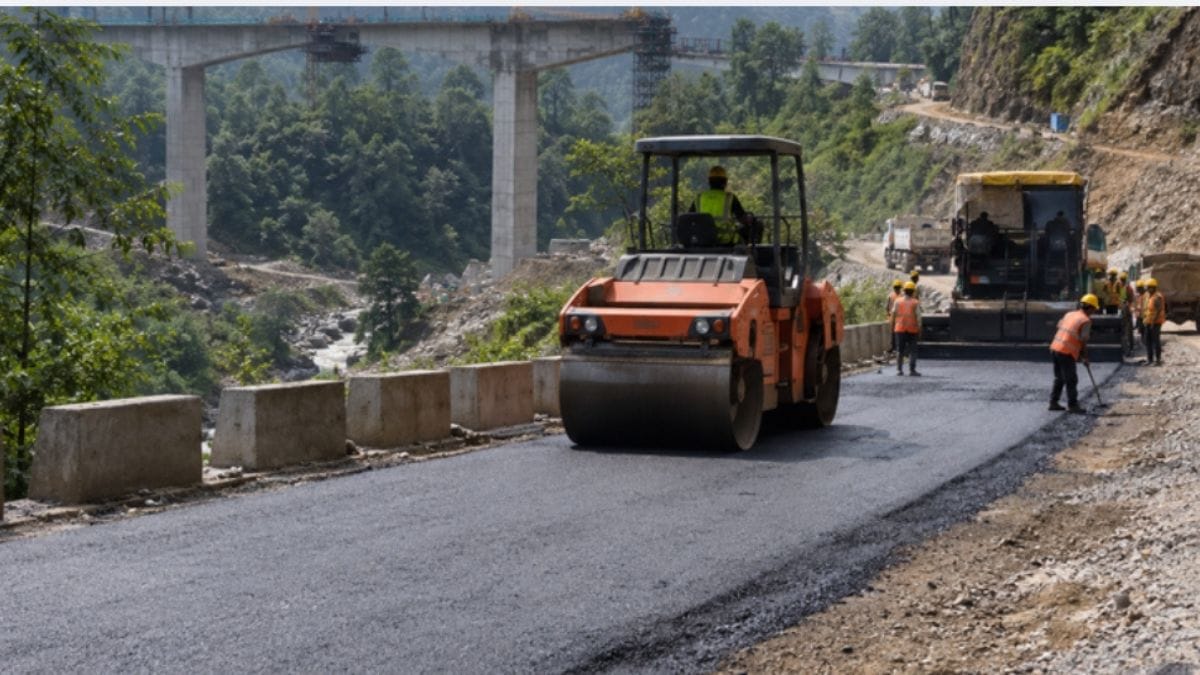
NITI Aayog flags road connectivity specifically as an area needing improvement, arguing stronger roads would directly support logistics and improve accessibility for both industries and everyday communities. The report also pushes for more flight connectivity, both across the Northeast internally and on international routes to neighbouring countries like Bangladesh, Myanmar and Thailand, links that would meaningfully widen the state’s economic reach. Power reliability adds to the strain, with the report calling for less load shedding and a stronger distribution network, a basic operational necessity that affects virtually every business trying to function in the state.
Policy predictability and sociopolitical stability get flagged too, with the report arguing that greater consistency in both would go a long way toward building investor confidence and sustaining longer-term economic activity.
Government policy itself scores relatively low, weighed down by limited R&D incentives and thin incentive allocations within the state budget, a gap that leaves little room for the kind of policy push that typically drives innovation and industrial growth elsewhere.
Meghalaya’s underlying economic structure helps explain a lot of this. Services dominate at 70.4 percent of the state’s Gross Value Added, industry contributes just 20.6 percent, and agriculture makes up 9 percent, with GSDP per capita sitting at ₹95,525. Non-metallic mineral products and basic metals round out the state’s key industries, a narrower industrial base than states pulling ahead of Meghalaya on this index tend to have. The index itself was published by NITI Aayog on July 17, 2026, based on an underlying report dated July 3.
Read plainly, Meghalaya’s 23rd-place finish reflects a state with the regulatory groundwork already in place but not yet the surrounding conditions to convert that groundwork into real investment. Good permitting and a stable institutional setup mean little to a company weighing whether the roads, power supply and flight connections needed to actually run a business will hold up.
Until infrastructure and policy incentives catch up to what’s already working on the regulatory side, Meghalaya’s investment story stays exactly where this ranking places it: promising on paper, unproven in practice.