SHILLONG : The proposed ₹850-crore Phase-II of the New Shillong Water Supply Scheme came under scrutiny in the Meghalaya Assembly on Tuesday, with Opposition members questioning the tender structure, rising project costs and the participation of local contractors.
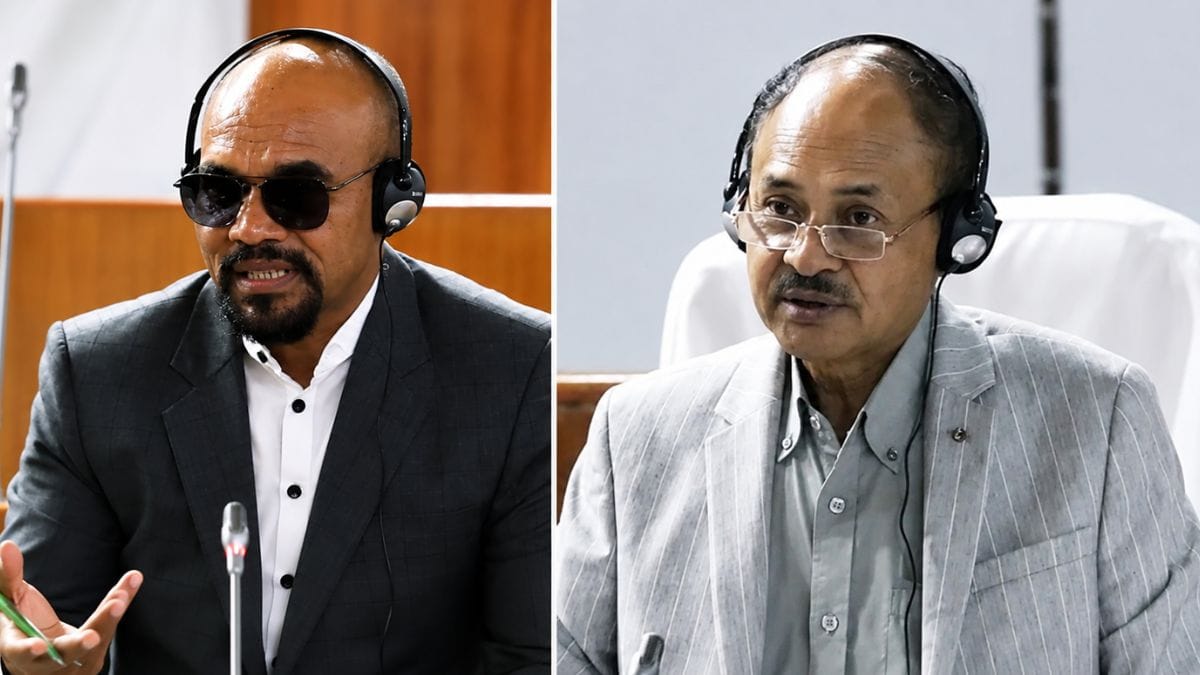
VPP prez Ardent Miller Basaiawmoit and MLA of Nongkrem raised the issue through a Zero Hour notice, referring to the Phase-II Part-A tender worth about ₹850.58 crore. The tender was issued on July 31, with bids scheduled to close on August 28.
Basaiawmoit questioned why the entire work had been put out as a single package instead of being divided into smaller contracts. He said such a structure could leave Meghalaya-based contractors out of a project involving substantial public expenditure. He also pointed to an earlier assurance that Phase-II would not be tendered as one package, particularly since several components did not require highly specialised technical expertise.
The VPP leader sought details of the project cost and Bill of Quantities, the present status of Phase-I and the basis for the estimated cost. He also asked how many local contractors had the financial and technical capacity to bid and what measures were being taken to ensure their participation.
Basaiawmoit further raised concerns over reported outstanding Jal Jeevan Mission bills exceeding ₹900 crore and questioned whether the state could take up another large project without adding pressure to its finances.
PHE Minister Marcuise N. Marak defended the tendering approach, saying Phase-II Part-A was sanctioned on July 30 for ₹850.589 crore and was being executed through the Engineering, Procurement and Construction (EPC) mode.
Marak said the EPC model was considered appropriate because the project involves interconnected components including pipelines, reservoirs, pumping stations and electrical systems. Having one agency responsible for the entire package, he said, would provide a single point of accountability and reduce coordination problems, delays and disputes.
The contract will also include three years of operation and maintenance, according to the minister.
Phase-I cost rises by over ₹234 crore. Mawryngkneng MLA Heaving Stone Kharpran separately questioned the sharp increase in the cost of Phase-I and called for a dedicated committee to monitor the scheme.
The project was initially sanctioned at ₹538.44 crore in March 2024. By May 2026, the revised cost had reached ₹772.924 crore an increase of more than ₹234 crore in just over two years.
Kharpran sought an explanation for the revision and pressed for greater transparency and accountability in the implementation of the scheme. He also raised concerns over poor road access to the project site and suggested solar street lighting along the route. Protection of the Umkhen River catchment, which serves more than 20 villages, was another issue he placed before the government.
The MLA also called for greater involvement of Meghalaya-based contractors and a clear arrangement for operating and maintaining the completed infrastructure.
Marak attributed the Phase-I cost increase to unforeseen site conditions and mandatory changes to the project design. A major change involved the proposed dam site at Nonghali on the Umkhen River. The site had to be shifted upstream after a landfill was proposed near the original location, requiring changes to the dam design, additional structural work, excavation and slope stabilisation.
The minister also cited compensation demands from Dorbar Shnongs, the cost of providing dedicated power and road restoration work following pipeline installation along about 1.5 km of existing PWD roads at Jaroit and Diengpasoh.
Phase-I includes the Nonghali dam, jackwells, pumping mains, Stage-I pumping station and a water treatment plant at Mawpdang, along with associated infrastructure.
The larger New Shillong water project is intended to supply treated water to New Shillong Township, Mawkhanu Knowledge City and 32 adjoining villages.