Meghalaya has once again emerged as the lowest-ranked state in the country in school education, according to the latest Performance Grading Index (PGI) 2.0 released by the Ministry of Education.
The state scored 417.9 out of 1,000 and remained the only state in the country’s lowest “Akanshi-3” category, placing it behind every other state and Union Territory assessed under the index.
The ranking has renewed scrutiny of Meghalaya’s education system at a time when the state continues to allocate substantial resources to the sector while grappling with challenges related to enrolment, teacher deployment and student retention.
Official data paints a complex picture. Across Meghalaya, 206 schools currently have no students enrolled, while another 2,269 schools have fewer than 10 students. Together, nearly 2,500 schools are either completely vacant or operating with single-digit enrolment.
The figures have prompted renewed discussion among policymakers and education stakeholders on whether the existing school network reflects present-day enrolment patterns and whether resources are being deployed in the most effective manner.
Empty Schools and low enrolment
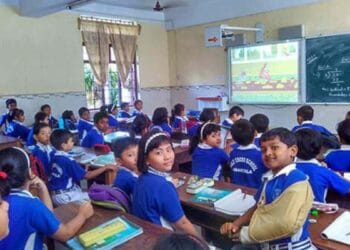
The issue of low enrolment has persisted for years in several parts of the state. Official figures show that hundreds of schools continue to operate with very few students despite ongoing public expenditure on infrastructure, staffing and administration. In some cases, schools cater to only a handful of children, while others have no students at all.
The data highlights the challenge of maintaining a large network of educational institutions across a state characterised by scattered settlements and difficult terrain. While access to education remains a priority, the growing number of underutilised schools has increasingly become part of discussions on education planning and resource allocation.
Single-Teacher Schools continue to challenge the system
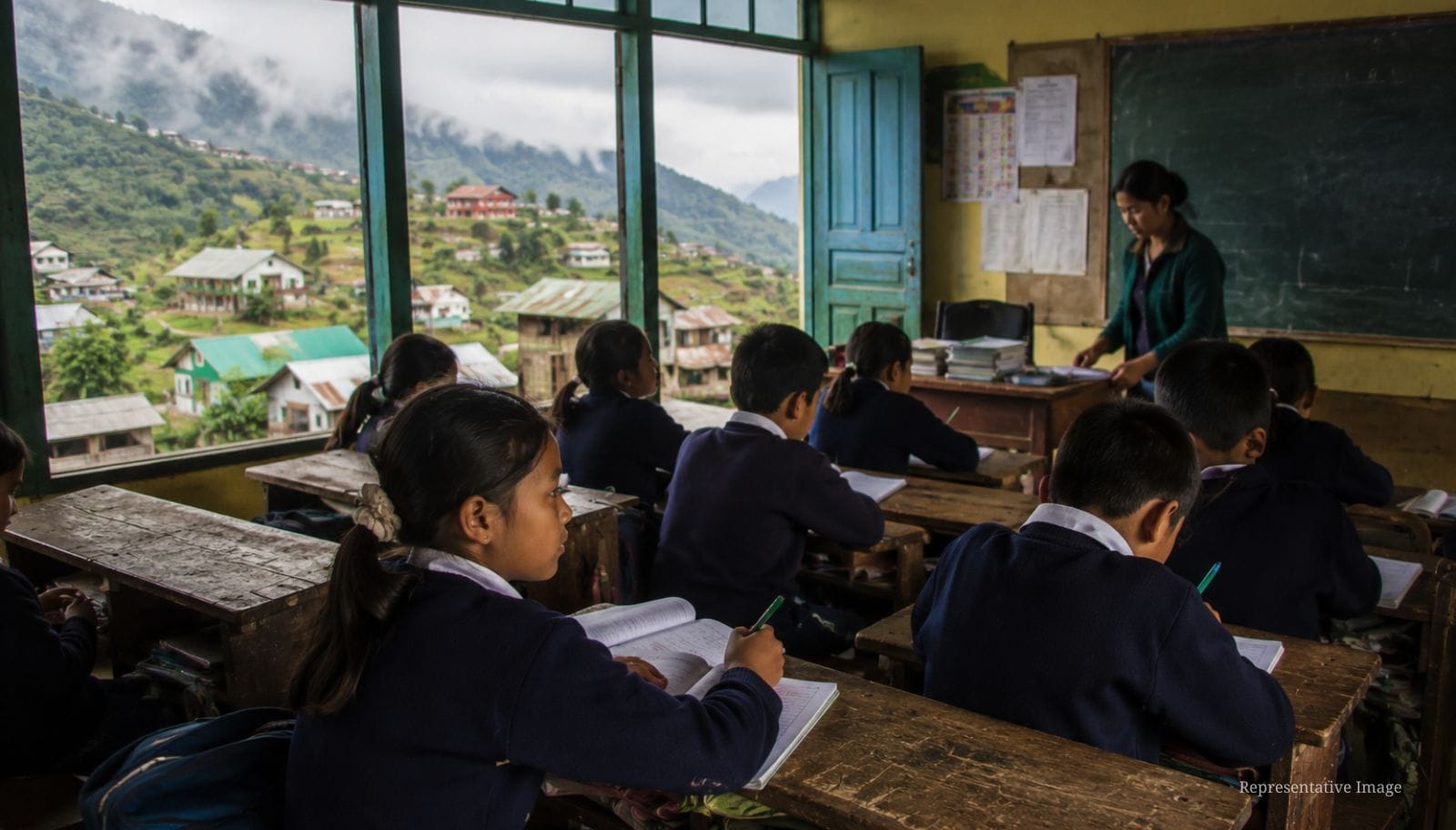
Teacher deployment remains another major concern. Official data indicates that Meghalaya still has 1,414 single-teacher schools serving close to 50,000 students. In such schools, a single teacher is often required to manage multiple grades while simultaneously handling administrative responsibilities and classroom instruction.
Education experts have long pointed out that multi-grade teaching presents significant challenges, particularly at the elementary level where students require close academic support and age-appropriate learning environments. The issue has repeatedly surfaced in national and state-level education assessments.
Student retention still a concern
Student retention is another area that continues to attract attention. Available figures indicate that around 22,000 students leave the education system every year. The reasons vary and may include financial pressures, family circumstances, migration, accessibility challenges and academic difficulties.
Whatever the cause, the numbers underline the continuing challenge of ensuring that students remain in school and complete their education. Education researchers have frequently noted that dropout rates can have long-term implications for employment opportunities, social mobility and overall human development.
Spending and outcomes
Education remains one of the largest sectors of public expenditure in Meghalaya. The state government allocated approximately ₹3,654 crore to the education sector in the 2025-26 budget. A substantial share of this expenditure goes towards salaries, grants and operational costs.
The latest PGI findings have once again brought attention to the relationship between public spending and educational outcomes, particularly in areas such as enrolment, retention and overall school performance.
Geography continues to present unique challenges. There’s communities located in remote and difficult-to-access areas, making the delivery of educational services more demanding than in many other parts of the country. However, education specialists have also stressed the importance of teacher deployment, school management, monitoring mechanisms and learning assessments in improving educational performance.
How Meghalaya compares
The latest PGI results have drawn attention not only because Meghalaya ranked last, but also because it was the only state placed in the Akanshi-3 category. Several states that have historically faced educational challenges were placed in higher categories, highlighting the scale of Meghalaya’s task in improving its overall performance.
The PGI evaluates states across a range of indicators, including learning outcomes, access, infrastructure, equity and governance.
Government response
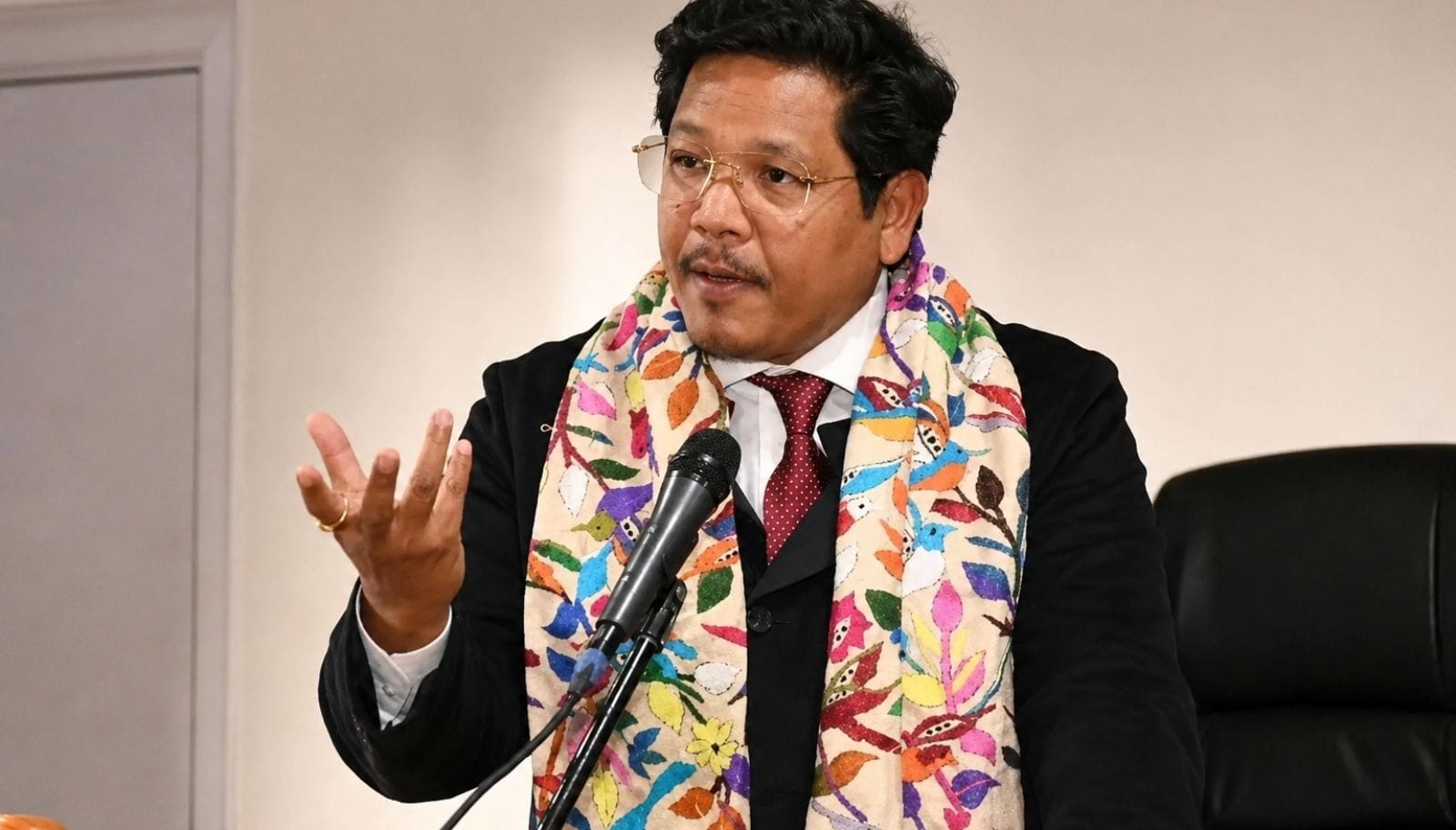
Following the release of the PGI report, Chief Minister Conrad K. Sangma reviewed the state’s performance and acknowledged the need for continued improvements in key educational indicators.
The Chief Minister has repeatedly said that education remains one of the government’s priority sectors and said efforts would continue to strengthen infrastructure, improve service delivery and address gaps identified in the assessment. The government has also pointed to ongoing investments in schools, teacher support systems and educational infrastructure as part of broader efforts to improve outcomes.
Calls for structural reforms
Among the proposals that continue to feature in policy discussions is school rationalisation. The approach involves consolidating resources by merging underutilised schools and strengthening institutions with better enrolment, staffing and facilities.
The proposal remains a subject of debate, particularly in remote areas where communities rely on nearby schools. At the same time, the growing number of schools with very low enrolment has kept the issue firmly on the policy agenda.
The latest PGI findings have once again brought these challenges into focus.
Beyond rankings, the data points to broader issues relating to enrolment, teacher deployment, student retention and educational outcomes. For the state like Meghalaya, the challenge is not only about expanding access to education but also about improving learning outcomes and ensuring that available resources are utilised effectively.
The ranking may be a statistical measure, but it reflect conditions experienced daily in classrooms across the state. How Meghalaya responds to those challenges in the coming years will ultimately determine whether future assessments tell a different story.
The latest PGI results suggest that Meghalaya’s biggest challenge may not be building more schools, but ensuring that existing resources are concentrated where students are actually enrolled and learning outcomes can improve.