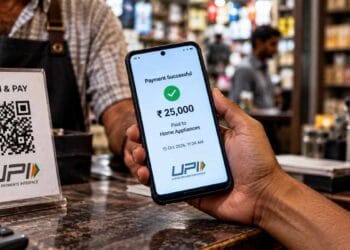
The possibility of charges returning on some UPI payments has triggered widespread discussion after the Union government introduced amendments to the Payment and Settlement Systems Act in Parliament. The proposed changes have led many users to believe that UPI transactions will soon become chargeable. That, however, is not what the amendment does.
The Bill does not impose any fee on UPI payments. Instead, it creates the legal framework that would allow the government to introduce a Merchant Discount Rate (MDR) in the future if it decides to do so. Any decision on whether to levy MDR, the rate to be charged and the categories of merchants covered would come only after a separate policy decision.
The proposal currently being discussed is limited in scope. Reports suggest the government is considering an MDR of around 0.3% to 0.5% on merchant UPI transactions above ₹2,000, mainly for businesses with an annual turnover exceeding ₹1.5 crore. There is no proposal to charge customers making UPI payments or to impose MDR on small merchants.
Because MDR is a fee paid by the merchant to banks and payment service providers for processing digital payments. Consumers would continue to pay the amount displayed at checkout. However, some analysts note that businesses could eventually factor the additional cost into their pricing if such a policy is introduced.
Why is MDR back in the discussion?
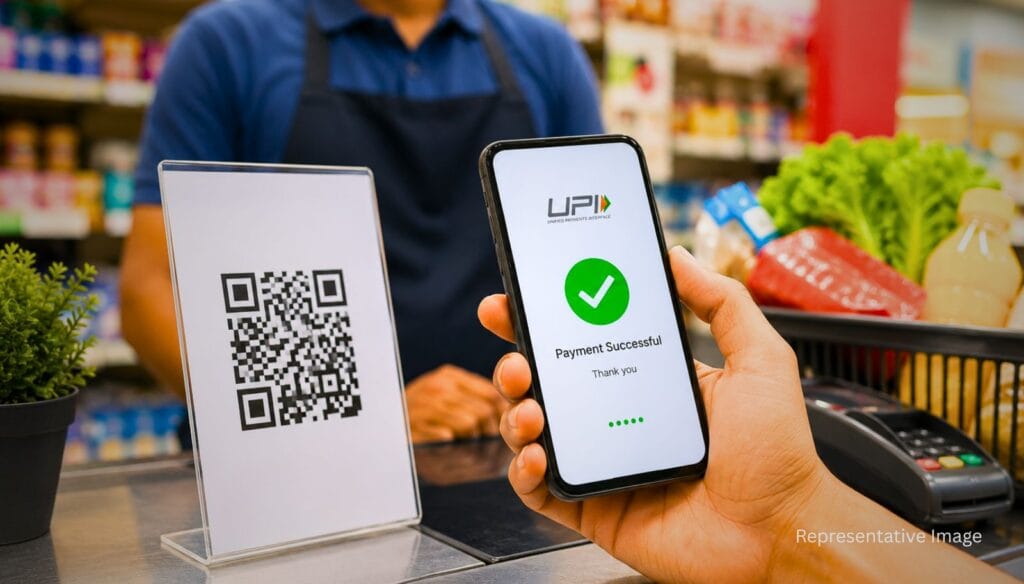
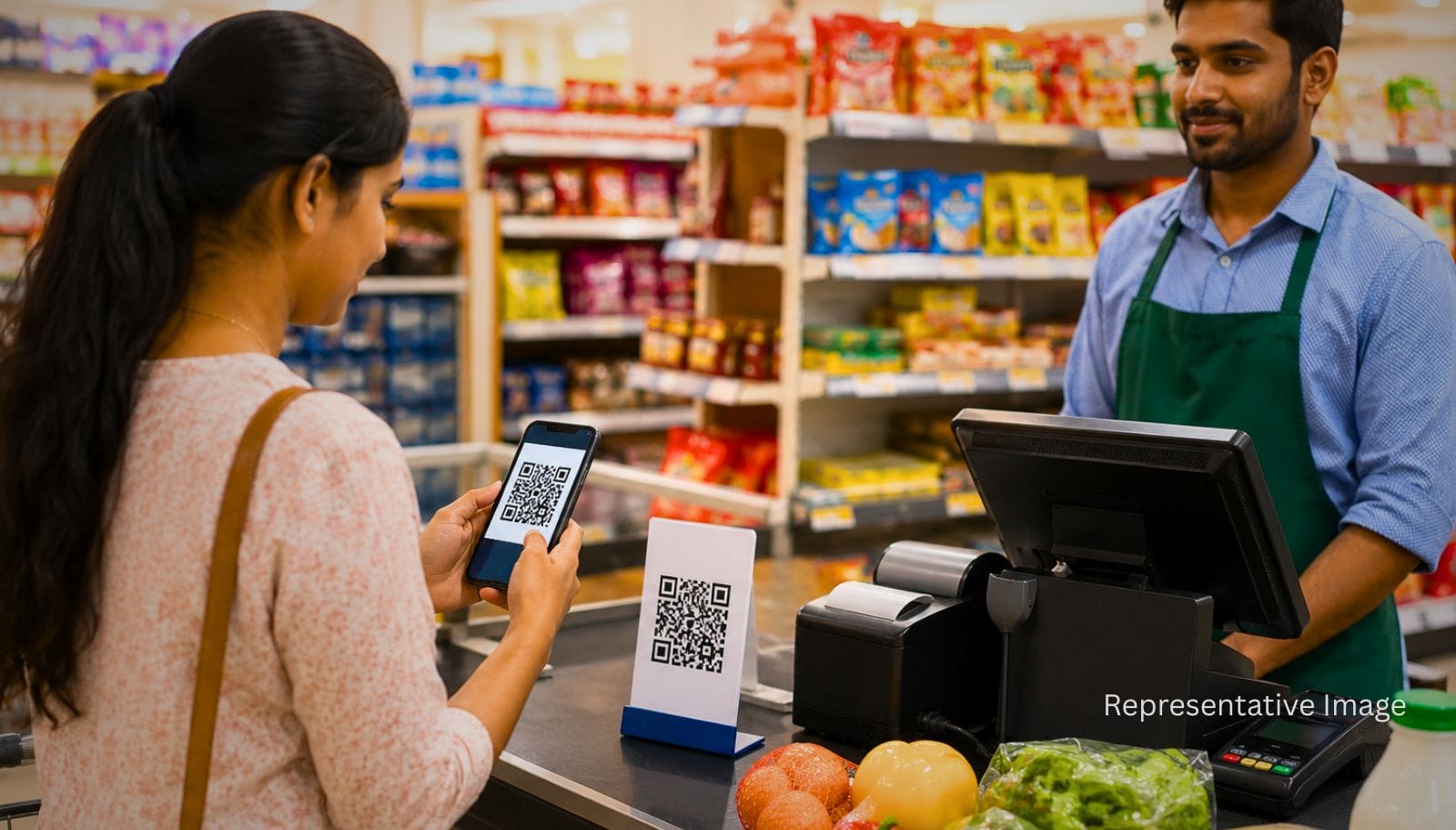
When the government abolished MDR on UPI and RuPay debit card transactions in January 2020, the objective was clear: encourage digital payments, reduce dependence on cash and help small businesses adopt QR code payments without worrying about transaction charges.The policy succeeded beyond expectations.
According to the latest data released by the National Payments Corporation of India (NPCI), 23.6 billion UPI transactions were processed in July 2026, the highest monthly figure recorded so far. The total value of those transactions reached ₹29.9 lakh crore, while nearly 720 banks are now connected to the UPI network.
With UPI becoming one of the world’s largest real-time payment systems, banks and payment companies argue that the current zero-MDR model is becoming difficult to sustain. Maintaining payment infrastructure involves costs related to servers, cybersecurity, fraud detection, customer support, settlement systems and continuous technology upgrades.
Industry players say those expenses have grown sharply even as they earn little direct revenue from merchant UPI transactions.Investment firm Jefferies estimates that bringing back MDR in a limited form could generate an annual revenue pool of ₹5,000 crore to ₹10,000 crore for banks and payment companies.
Why are large merchants being targeted?
One of the reasons being discussed is the transaction pattern on UPI.Industry data shows that 86% of merchant UPI payments are below ₹500, while another 10% fall between ₹501 and ₹2,000. Transactions above ₹2,000 account for only about 4% of the total number of merchant payments.
Yet those same transactions contribute nearly 67% of the total transaction value. That means policymakers could potentially cover a large share of the payment value while affecting only a small portion of overall transactions. The proposal also seeks to keep neighbourhood shops, street vendors and other small businesses outside the MDR framework by limiting any future charges to larger merchants. For now, nothing changes for UPI users or merchants.
The amendment before Parliament only removes the legal barrier that has prevented the government from reintroducing MDR since 2020. Whether any fee is eventually imposed, how much it would be, and who would pay it are questions that remain unanswered.
Until the government announces a final policy, UPI payments continue under the existing zero-MDR system, with customers and merchants paying no additional charges for eligible transactions.