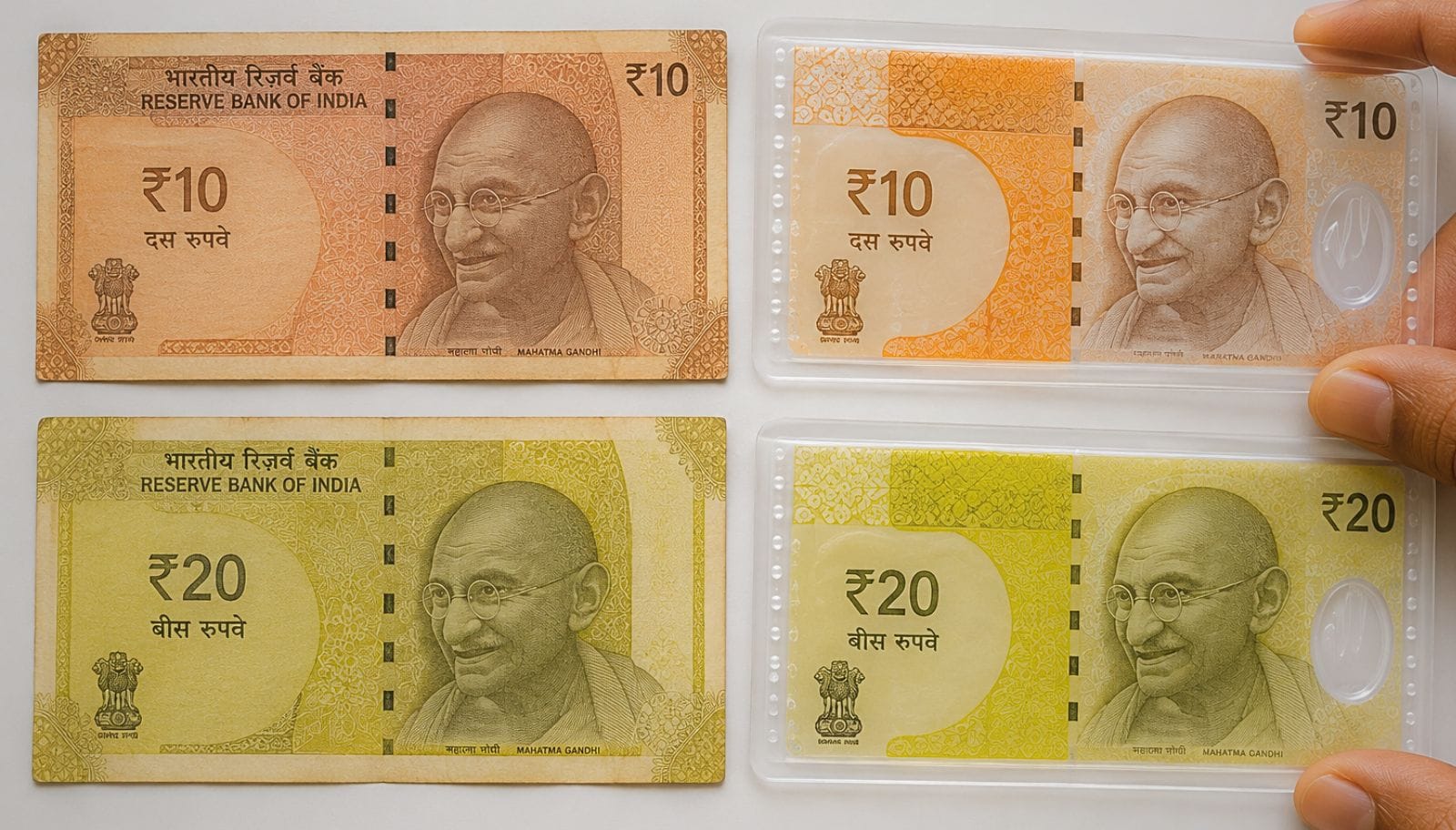
New Delhi : The Union government has approved a Reserve Bank of India proposal to field-trial polymer banknotes in the ₹10 and ₹20 denominations, marking the first concrete step toward testing plastic currency in India since the idea was shelved back in 2012.
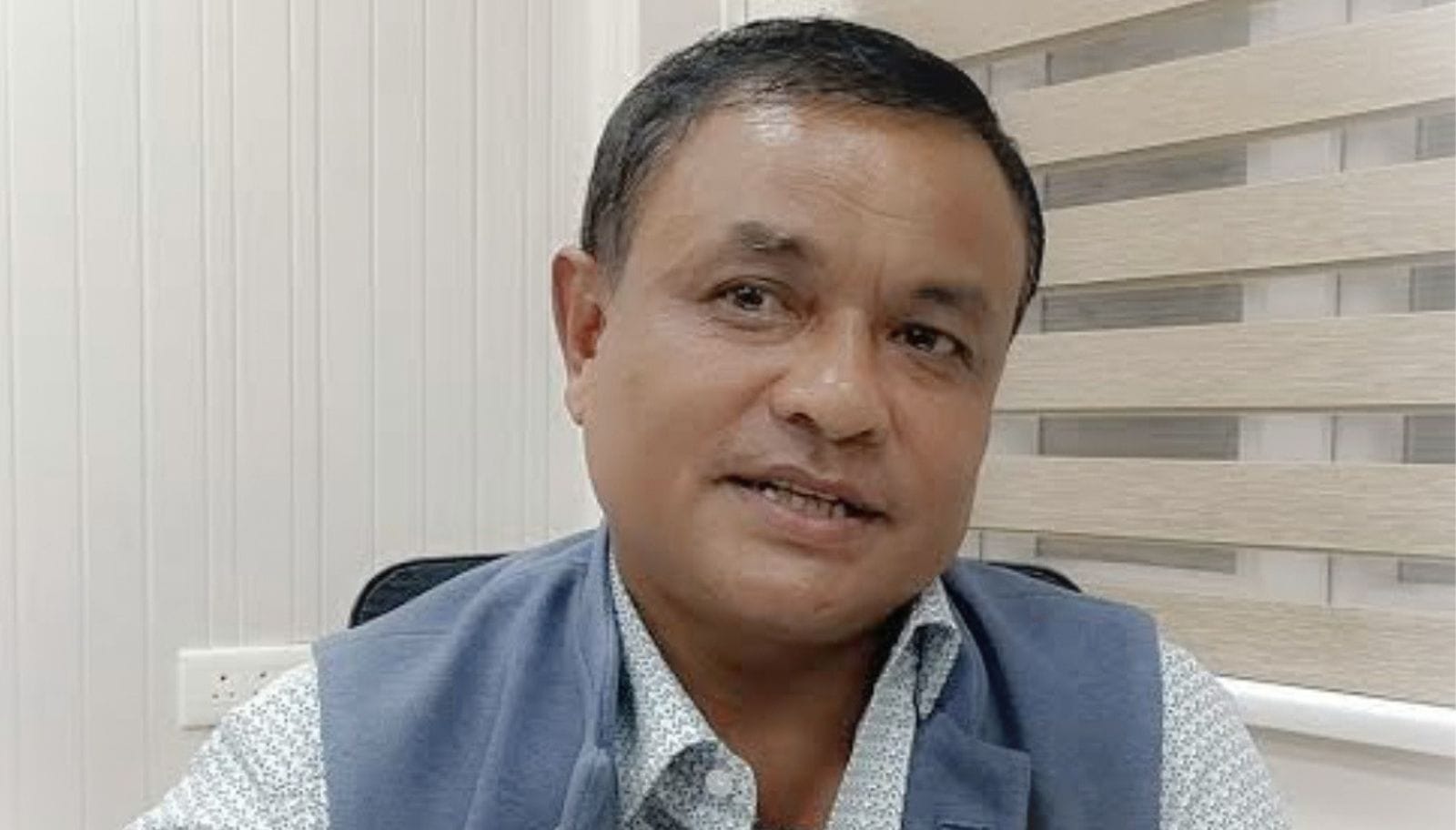
Minister of State for Finance Pankaj Chaudhary confirmed the approval in a written reply to the Lok Sabha on July 27, stating that the RBI had proposed issuing one billion polymer notes each of the two denominations for field trials, worth roughly ₹3,000 crore combined, with regular issuance to follow only if the trials succeed. He was clear that paper currency isn’t going anywhere: “There is no proposal to replace paper currency with polymer substrate-based banknotes,” he said, describing the polymer notes as a parallel option meant to circulate alongside existing cotton-paper currency rather than instead of it.
The trial will run across five cities chosen specifically for their climatic diversity: Kochi, Mysore, Jaipur, Shimla, and Bhubaneswar, covering everything from humid coastal conditions to dry heat and hill-station cold. That spread is deliberate, since the whole point of the exercise is to see how polymer notes hold up compared to paper across the kind of climate range India actually has, rather than testing them in ideal, uniform conditions.
Ground-level preparation is already underway. Bharatiya Reserve Bank Note Mudran Private Limited (BRBNMPL), the RBI’s currency-printing subsidiary, issued a global tender on July 17 seeking 34 million polymer sheets specifically for printing the ₹10 and ₹20 notes, signalling that procurement for the pilot batch is already in motion even as the political approval was only confirmed in Parliament ten days later.
The push is aimed squarely at lower-denomination notes, which wear out fastest due to constant handling and drive up the RBI’s long-term printing and replacement costs. Polymer notes are markedly more durable than paper, resistant to moisture and tearing, and harder to counterfeit, qualities that have already led more than 60 countries, including Australia, Canada, the UK, Singapore and New Zealand, to adopt them for at least some denominations.
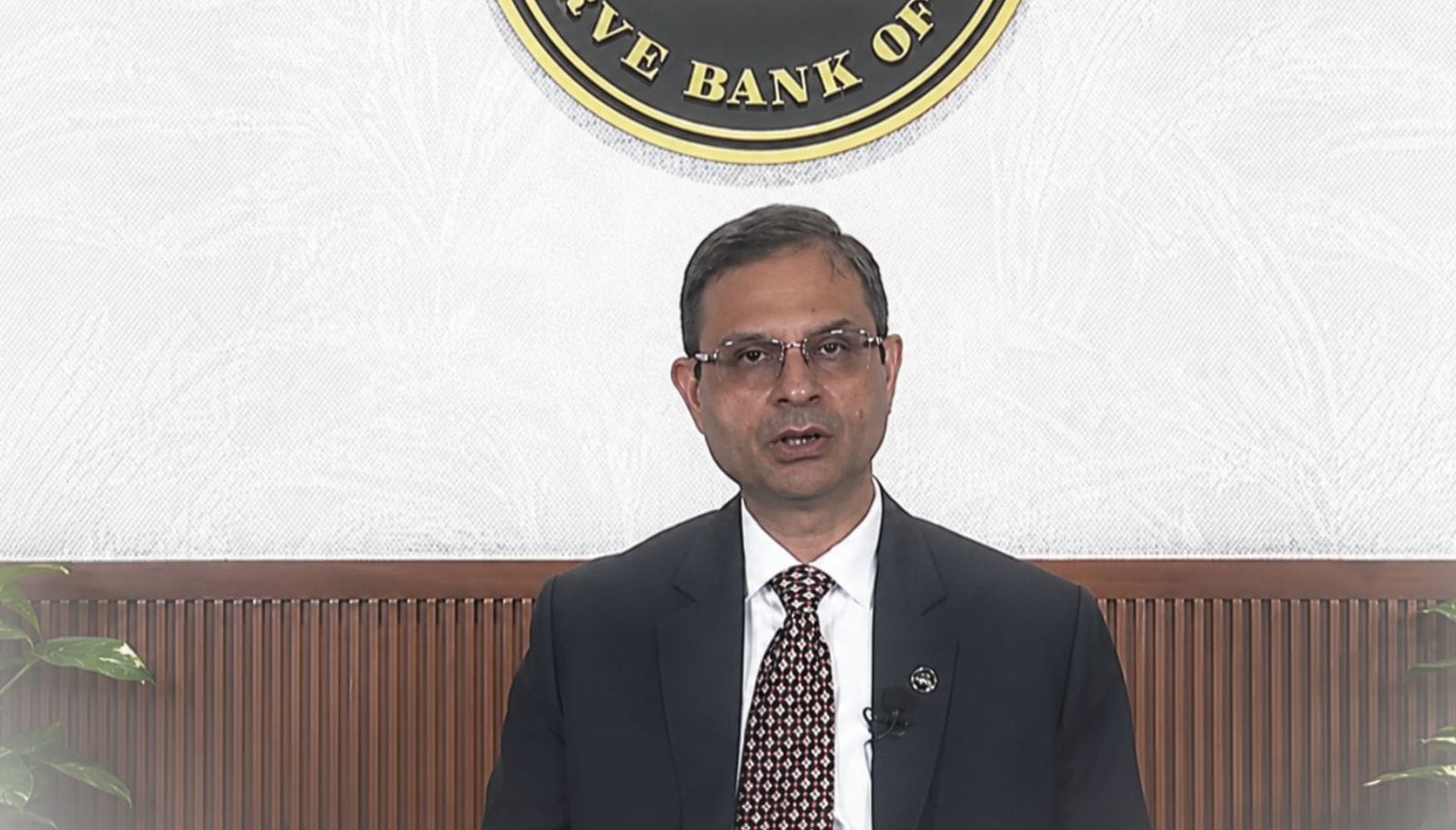
RBI Governor Sanjay Malhotra has been careful to temper expectations, noting that the project remains at a preliminary stage with no fixed timeline for launch. Responding separately to concerns about how polymer notes might affect India’s push toward digital payments, Chaudhary said any impact could only be properly assessed once the notes move to regular circulation following successful trials, adding that cash and digital payments will continue functioning as complementary options for the public rather than one replacing the other.
This isn’t India’s first attempt at polymer currency, and the parallel is almost exact. Back in 2010, the RBI had similarly proposed a five-city field trial of plastic ₹10 notes, in the very same cities of Kochi, Mysore, Jaipur, Shimla and Bhubaneswar, before the plan stalled over technological and operational hurdles. With BRBNMPL now sourcing modern polymer substrate technology through international tender, the government appears to be picking up that decade-old effort essentially where it left off, running the same city-based test once again.
For now, the approval covers only the trial phase. Whether India eventually moves to regular polymer note circulation, and on what timeline, will depend entirely on how these notes perform under real-world conditions, testing durability, security, and public acceptance, before the RBI makes its next move.