
NEW DELHI : Global crude oil prices closed the week sharply higher, though Indian motorists have yet to see any change at petrol and diesel pumps.
Brent crude settled at $94.39 a barrel on Friday, a weekly gain of about 6.4 percent, while US West Texas Intermediate closed at $87.06, up roughly 5.7 percent over the same week. Supply concerns tied to the ongoing US-Iran conflict have driven the increase. Domestic fuel prices, meanwhile, held steady across major Indian cities on Saturday.
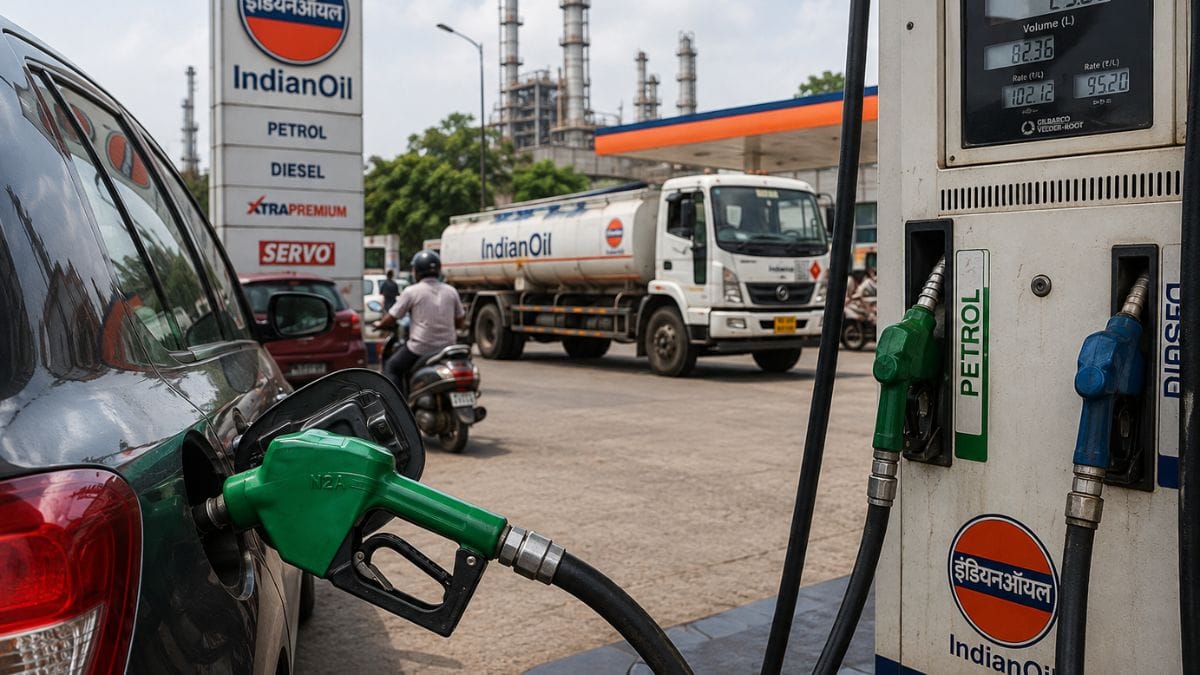
According to the Petroleum Planning and Analysis Cell, petrol in Delhi stood at ₹102.12 a litre and diesel at ₹95.20 as of August 20. Mumbai’s petrol price was ₹111.21 with diesel at ₹97.83, Kolkata’s petrol came in at ₹113.51 with diesel at ₹99.82, and Chennai’s petrol and diesel stood at ₹108.01 and ₹99.66 respectively.
The gap between rising global crude and static domestic pump prices is being watched closely, given India imports nearly 90 percent of its crude oil needs. A sustained rise in global prices pushes up the country’s import bill and adds pressure on the rupee, which closed at around ₹95.69 against the US dollar on Friday, nearly flat on the day but down about 0.3 percent for the week, with higher oil prices among the factors weighing on the currency.
Beyond the pump, transport costs, freight charges, chemicals and a range of industrial inputs are tied directly or indirectly to energy prices, so a sustained crude increase can work its way into the cost of moving goods and manufacturing products more broadly.
The Reserve Bank of India has already flagged this risk: minutes from its August policy meeting showed concern that rising food, fuel and other input costs could spread further through the economy.The central bank held the repo rate at 5.25 percent on August 5 and kept its neutral stance.
India’s retail inflation rose to 4.45 percent in July from 4.38 percent in June, with food inflation running higher still at 5.52 percent, still within the RBI’s 2-6 percent tolerance band even though it sits above the 4 percent medium-term target. The crude spike is also reshaping the picture for Indian refiners.
With disruptions hitting Middle Eastern and Russian supplies, buyers elsewhere have turned to Indian fuel exports, and Reuters reported that refiners including Reliance and Nayara have been running at high utilisation rates, benefiting from stronger overseas demand even as domestic crude costs climb.
That leaves the market in an uneven spot: refiners gain from strong export demand even as higher crude costs add pressure across the wider economy.
No fresh petrol or diesel price revision has been announced with Brent trading near $95.