NEW DELHI : Rising prices for ginger, garlic, onions and sugar are putting fresh strain on Indian households, even as packaged food companies prepare to pass on higher costs of their own.
India’s food inflation rose to 5.52 percent in July, up from 5.32 percent in June, government data released earlier this month showed. Overall retail inflation climbed to 4.45 percent from 4.38 percent, with rural households bearing the brunt, rural food inflation stood at 5.79 percent against 5.05 percent in urban areas.
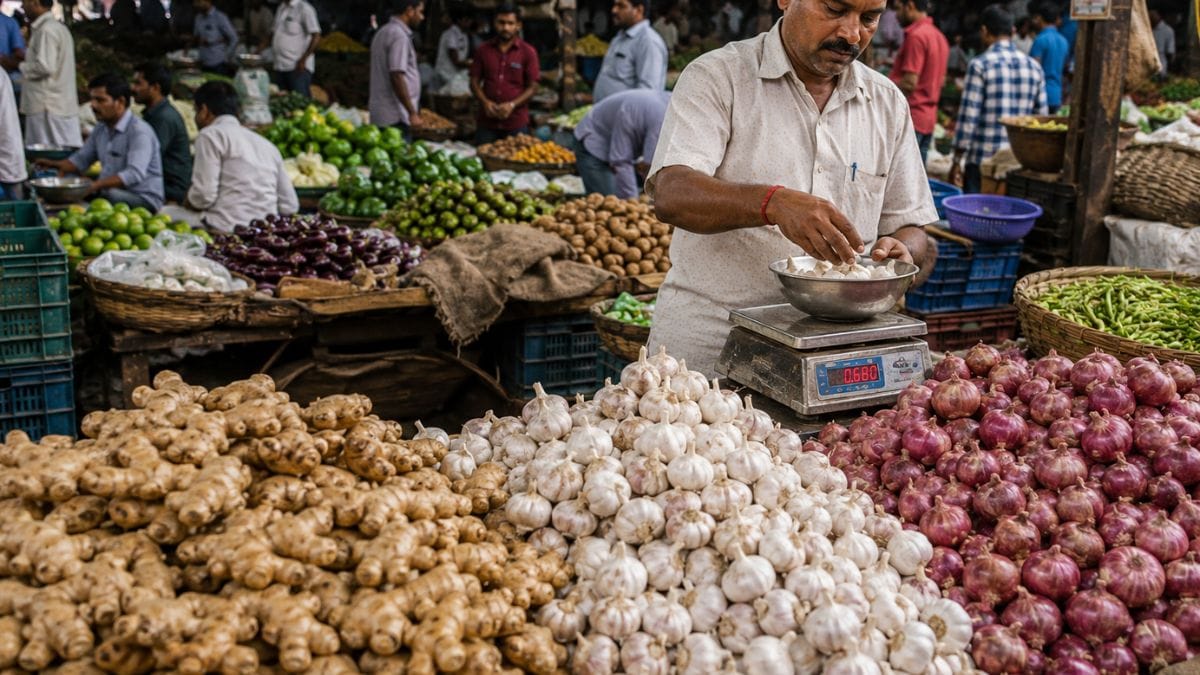
The sharpest increases hit some of the most basic kitchen staples. Ginger prices were up 83.62 percent from a year earlier, according to the Ministry of Statistics and Programme Implementation. Garlic rose 35.36 percent, and onions climbed 22.54 percent.
Local vegetable markets are feeling it too, coriander has crossed ₹220 a kilogram in some markets after heavy rains disrupted supplies. Sugar has added to the strain: domestic prices have risen sharply enough in recent weeks that the government stepped in, allowing duty-free imports of 1 million tonnes of raw sugar until October 31 to shore up supplies ahead of the festive season.
Rice has also moved higher in parts of the country, though the increase varies by region.
Cooking oil is under pressure from a different direction. Disruptions to sunflower-oil shipments from Russia and Ukraine have forced a shift in India’s import mix, and companies including Patanjali Foods have already taken calibrated price hikes in their edible-oil lines.
That cost pressure is now reaching supermarket shelves. Tata Consumer Products has raised the price of a single salt pack from ₹30 to ₹32. Britannia is weighing a further 1.5-2 percent price increase on biscuits for the September quarter, citing continued pressure from sugar, palm oil and fuel costs. Dabur has raised prices across parts of its portfolio and adjusted pack sizes at lower price points, its hair-oil business posted roughly 18 percent value growth in the June quarter against just 8 percent volume growth, a gap the company attributed partly to higher prices tied to crude-related input costs.
Hindustan Unilever expects sequential input-cost inflation of 2 to 5 percent in the September quarter, driven by palm oil, crude derivatives, tea, coffee, milk and packaging, a figure describing rising costs the company absorbs, not a blanket price hike on shelves. Colgate-Palmolive India has similarly signalled room for further price increases as commodity costs keep climbing.
Not everything is getting pricier. Potato prices were actually down 16.56 percent year-on-year in July, government data showed, tomatoes fell 4.59 percent, and both lady’s finger and peas also recorded declines. But those drops haven’t been enough to offset the broader upward pull from ginger, garlic, onions and sugar, keeping overall food inflation elevated.
The RBI is watching the trend closely. Minutes from its August policy meeting flagged that continued increases in food, fuel and other input costs could feed into broader inflationary pressure if they persist.