NEW DELHI : India’s retail inflation rose to 4.45 percent in July, a 19-month high, driven primarily by rising food prices, according to data released by the National Statistical Office on Wednesday, August 12.
The reading marks a further step up from June’s 4.38 percent, and is the second consecutive month in which inflation has stayed above the Reserve Bank of India’s 4 percent medium-term target.
It’s also the highest print recorded since December 2024’s 5.2 percent, and comes despite the RBI holding its repo rate steady at 5.25 percent for a third straight review earlier this month, a decision Governor Sanjay Malhotra had explained partly by flagging that inflation was expected to climb further before peaking later in the fiscal year.
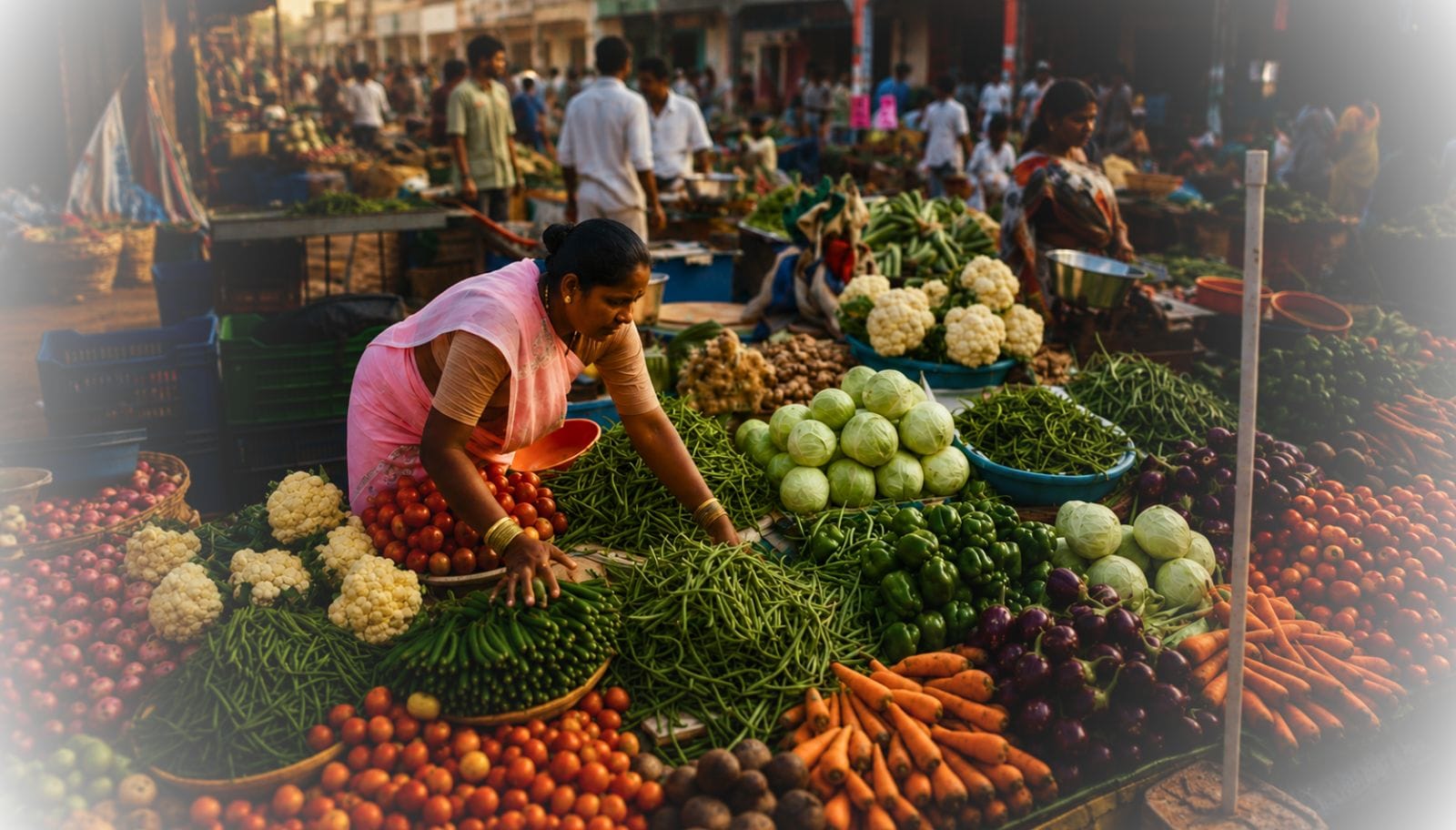
Food inflation was the main driver, rising to 5.52 percent in July from 5.32 percent in June. Rural households felt the pinch more than urban ones, rural inflation came in at 4.84 percent against 3.96 percent in urban areas, a gap partly explained by food carrying greater weight in rural consumption baskets. Within food specifically, rural food inflation stood at 5.79 percent compared to 5.05 percent in urban areas.
Among individual states, Telangana recorded the steepest combined inflation at 6.32 percent, followed by Andhra Pradesh at 5.72 percent and Tamil Nadu at 5.44 percent. Madhya Pradesh and Karnataka came in more moderate, at 4.91 percent and 4.89 percent respectively.
One unusual pressure point showed up in jewellery: silver jewellery inflation spiked to 109.84 percent year-on-year, driven by supply constraints in international precious metals markets linked to ongoing geopolitical tensions, alongside sharp gold price .
Also the restaurant and accommodation segment saw inflation climb from 6.91 percent in June to 7.7 percent in July, which economists have tied to the continuing West Asia conflict pushing up fuel costs that feed into food service pricing.
Looking ahead, economists are flagging further upside risk. Sunil Kumar Sinha and other analysts tracking the trend expect CPI inflation to harden to around 4.7 percent in August and cross 5 percent by September, as favourable year-on-year base effects fade, with the West Asia conflict and monsoon-related risks continuing to add pressure.
One assessment from IHS Markit economist Priyanka Kishore suggested that while an immediate rate hike remains unlikely, sustained elevated inflation projections through early FY28 point toward the RBI’s next policy move eventually being a hike rather than a cut, potentially as early as December.
The RBI itself has projected full-year CPI inflation at 5 percent for 2026-27, revised down slightly from its earlier 5.1 percent forecast, with Malhotra noting that core inflation, excluding volatile precious metals, has remained comparatively benign, suggesting the current pressure isn’t yet broad-based across the economy.