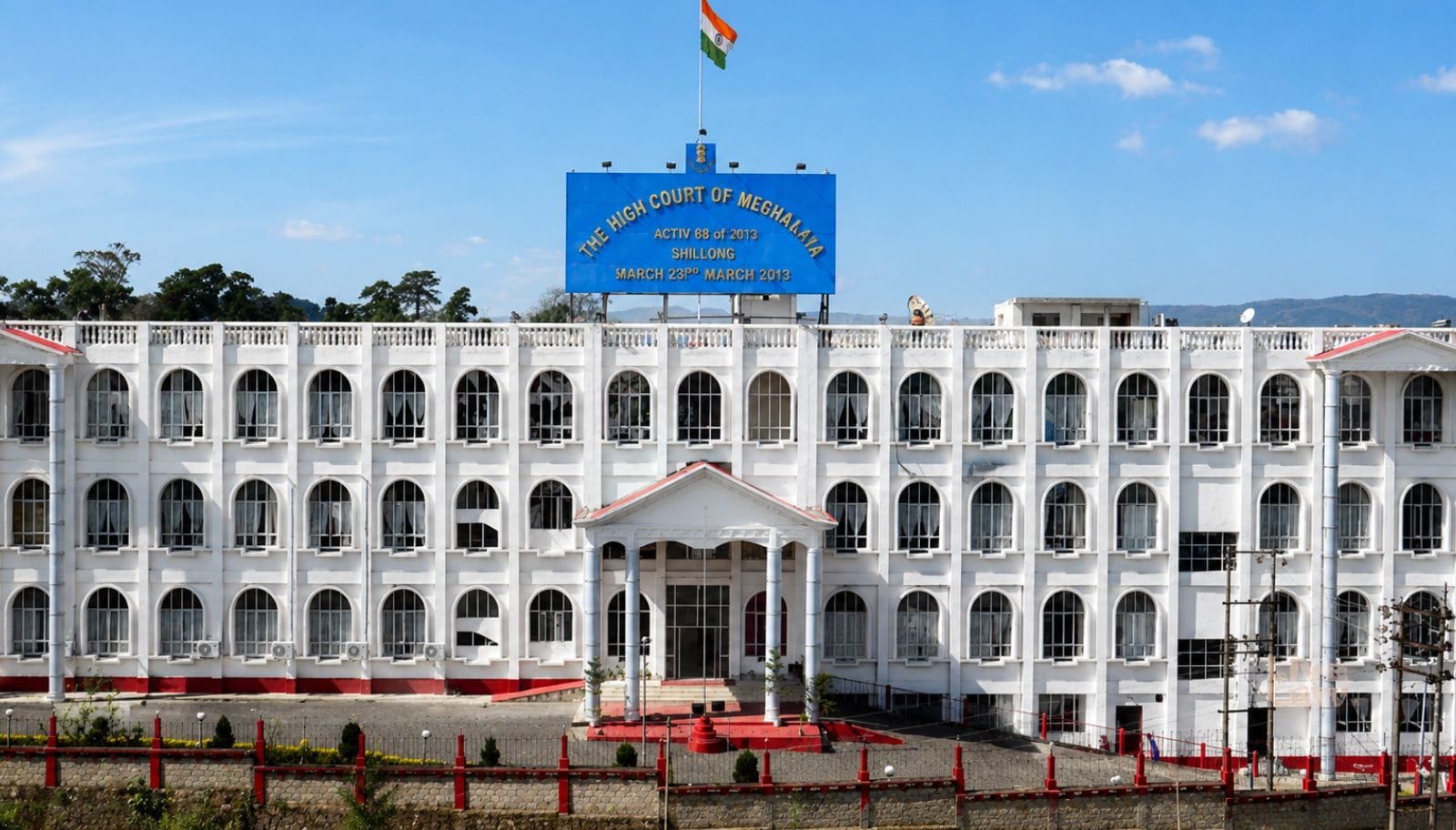
SHILLONG – The Meghalaya High Court has brought a senior advocate into the suo motu proceedings over the August 19 Shillong violence, appointing Philemon Nongbri as Amicus Curiae as the court continues to examine the police investigation into the incidents surrounding the Khasi Students’ Union-sponsored black-flag bike rally.
A division bench comprising Chief Justice Revati Mohite Dere and Justice Wanlura Diengdoh on Monday took on record the State government’s latest status report on the investigation. The report, dated September 7, was submitted by Additional Advocate General Tshering Yangi B pursuant to the court’s September 1 direction.
The State also placed investigation papers before the bench. The court, however, said it would not examine those documents at this stage because the investigation remains ongoing.
With the PIL having been initiated suo motu by the High Court, the bench considered it appropriate to appoint Nongbri to assist the court in the proceedings. The Registry has been directed to provide him with all papers relating to the PIL, including previous orders passed in the case. The AAG has already supplied him with a copy of the latest status report.
Inspector General of Police (Law and Order) Davis N.R. Marak, East Khasi Hills Superintendent of Police Vivek Syiem and officers from Sadar and Lumdiengjri police stations were present during Monday’s hearing. The court has dispensed with their presence at the next hearing until further orders and directed the government to file another status report.
The matter has been listed for October 1.
The appointment comes days after the High Court sharply questioned the handling of the rally and the pace of the subsequent investigation. On September 2, the bench expressed dissatisfaction with the progress of the probe and observed that the procession should not have been permitted to continue after alleged violations of the conditions attached to its permission.
The court noted allegations that participants wore masks and face coverings despite an undertaking given by the organisers, while some allegedly carried sticks or other dangerous weapons. Registration plates on some two-wheelers were also allegedly covered.
The bench observed that if the procession had been stopped at the outset after the alleged breaches were detected, the subsequent incidents involving damage to vehicles and property and assaults on people might have been prevented.
The scale of the investigation has also come under scrutiny. The court was informed that 22 FIRs had been registered in connection with the violence: four at Sadar Police Station, nine at Rynjah, seven at Mawlai, and one each at Laitumkhrah and Lumdiengjri.
The State had earlier informed the court that four KSU office-bearers had been arrested and two vehicles seized. Police had also collected call detail records from eight suspected mobile numbers and CCTV footage from 27 locations along the rally route for analysis.
The bench had questioned why only four people had been identified when hundreds were allegedly involved in the procession. It directed the authorities to identify the alleged offenders at the earliest and take the investigation to its logical conclusion.