MINDANAO, Philippines : A powerful 7.8-magnitude earthquake struck off the coast of Mindanao in the southern Philippines on Monday, killing at least 16 people, injuring more than 200 others and forcing thousands to evacuate after tsunami warnings were issued across coastal areas.
The earthquake, one of the strongest to hit the Philippines in recent years, struck beneath the sea near Mindanao, sending strong tremors across a wide area.
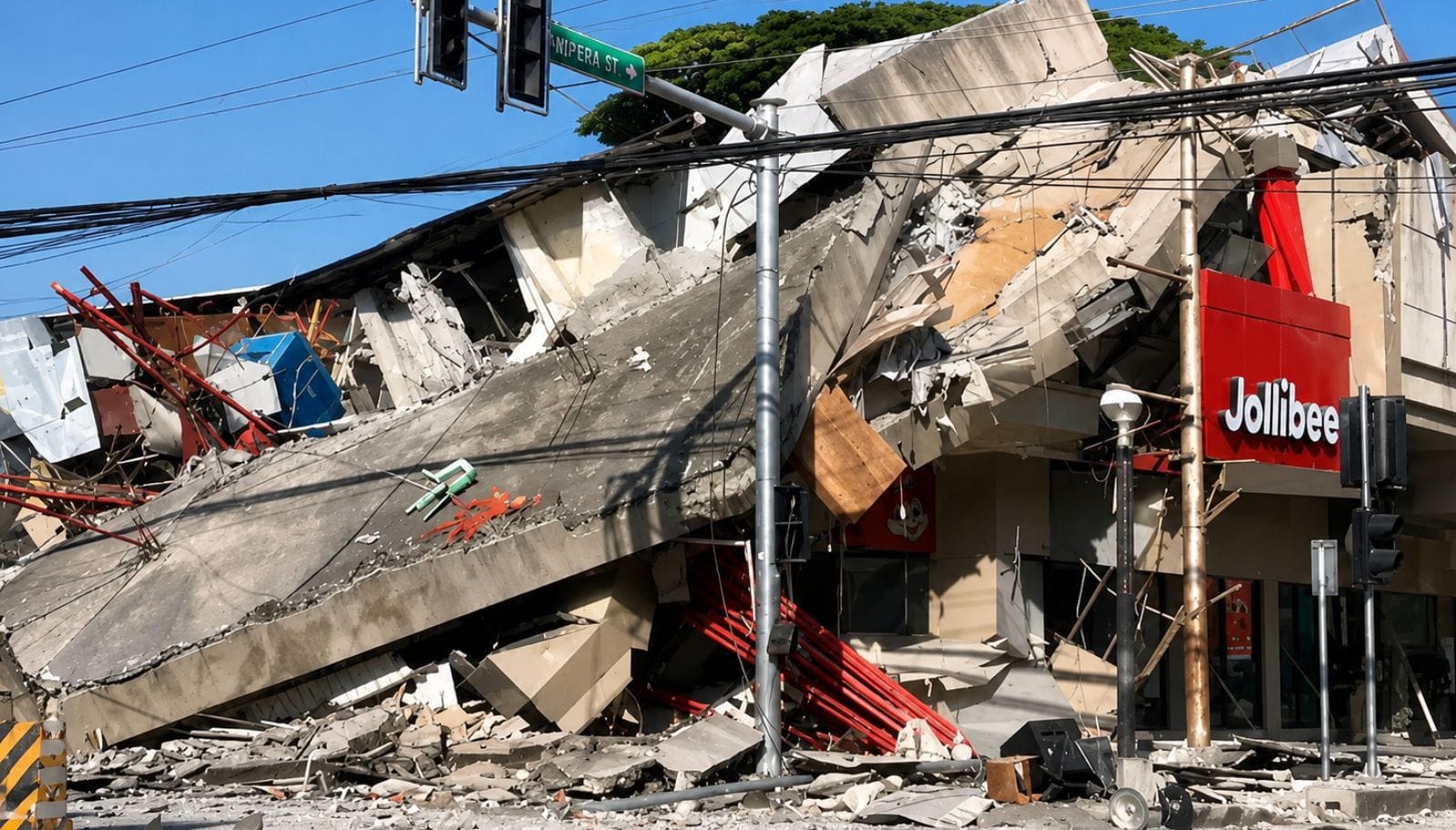
Residents fled homes, schools and offices as buildings shook violently, while emergency services rushed to assess damage and assist affected communities. Authorities reported structural damage in several areas, including General Santos City, where buildings collapsed and debris littered streets.
Read Also : 7.4 Magnitude earthquake hits Northern Japan, Tsunami alert issued
Hospitals treated hundreds of injured residents, while emergency shelters were opened for those displaced by the disaster. The death toll is expected to remain under review as rescue teams continue searching damaged structures and authorities gather information from affected regions.
The offshore location of the earthquake immediately raised fears of a tsunami. Officials issued warnings and ordered evacuations in vulnerable coastal communities as a precaution. Tsunami alerts are commonly issued after powerful undersea earthquakes because sudden movement of the ocean floor can displace large volumes of water, creating waves capable of travelling long distances.
In this case, authorities moved quickly to clear coastal areas while monitoring sea conditions.
Although tsunami waves were later recorded in some locations, officials gradually downgraded the warning after determining that a larger destructive event was unlikely. Even so, emergency agencies urged residents to remain cautious and follow official advisories.
Rescue operations continue as damage assessments begin
Philippine President Ferdinand Marcos Jr. directed government agencies to launch emergency response measures following the disaster. Rescue teams, military personnel and disaster management authorities were deployed to affected areas as the government began assessing the scale of destruction.
Schools were temporarily closed in several locations while engineers inspected roads, bridges, public buildings and other infrastructure for damage.
The Philippines sits along the Pacific Ring of Fire, one of the most seismically active regions in the world. As a result, earthquakes are a regular occurrence across the country. However, powerful events of this magnitude remain capable of causing widespread destruction, particularly when they occur near populated areas or beneath the sea.
You May Like : Bangladesh climate crisis may displace Millions, Northeast India faces spillover risk
For many residents, the earthquake brought back memories of previous disasters that have struck the country over the years. As aftershocks continued to be felt in some areas, many families chose to remain outdoors or in temporary shelters rather than return immediately to damaged buildings.
Authorities said search and rescue operations would continue while damage assessments remain underway. Officials have also warned that casualty figures could change as more information becomes available from affected communities.