
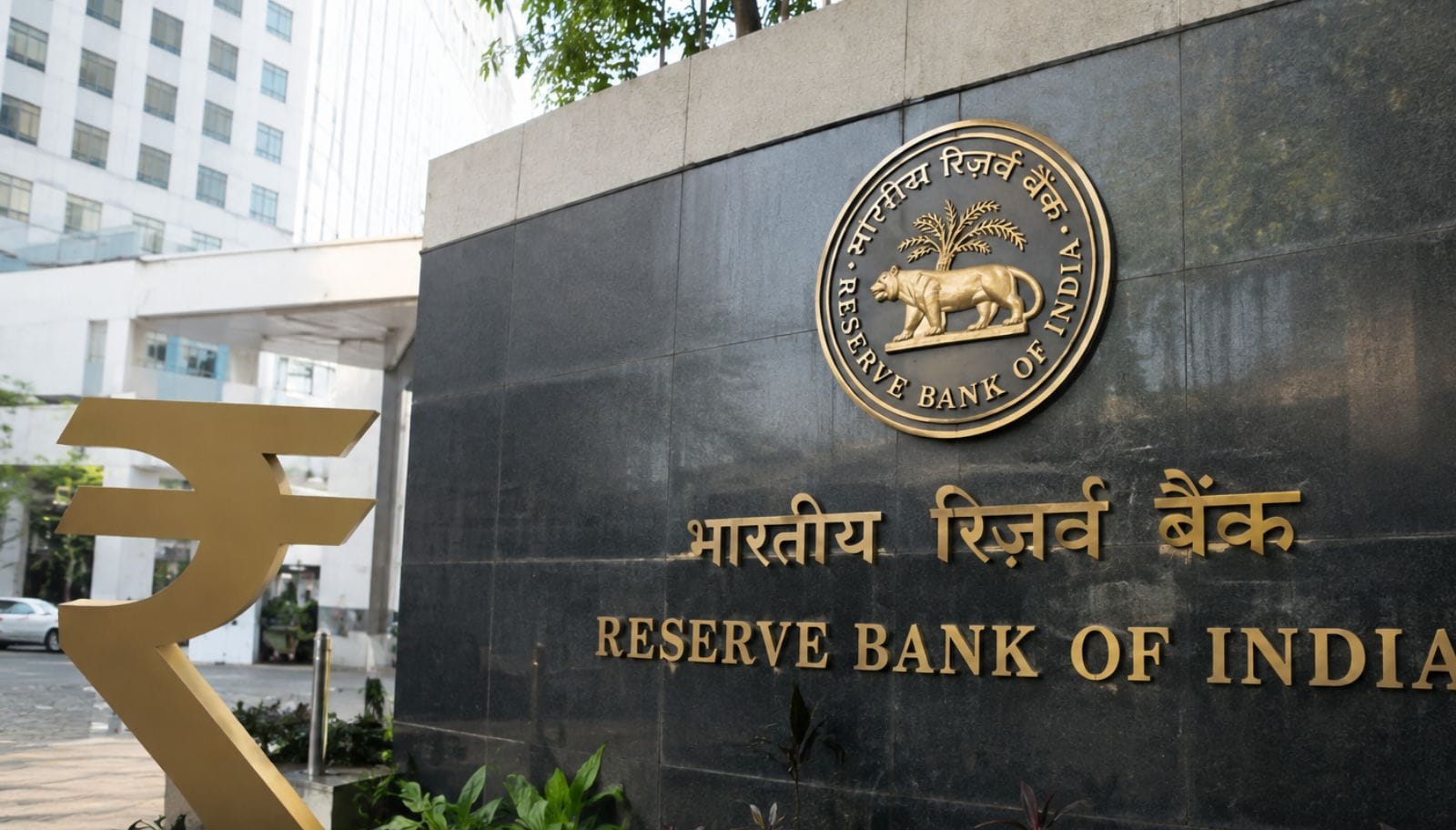
MUMBAI : The Reserve Bank of India has brought forward the closing date of its special Foreign Currency Non-Resident (Bank), or FCNR(B), deposit facility after Indian banks attracted $52.3 billion in foreign-currency deposits within just over two months. The facility, which was originally scheduled to remain open until September 30, will now accept fresh FCNR(B) deposits only until August 31, the RBI said on August 14.
Banks will still be able to use the RBI’s swap facility against eligible FCNR(B) deposits mobilised under the scheme until September 11. The early closure is a sign that the special facility has attracted much more foreign currency than initially expected.The RBI said the decision followed an “encouraging response” to the FCNR(B) swap facility and the resulting foreign-exchange inflows.The special arrangement was introduced on June 8 as part of a wider effort to bring more foreign currency into India’s banking system and strengthen the country’s external position.
Under the arrangement, banks could raise fresh FCNR(B) deposits from non-resident customers with maturities of three to five years. The RBI would provide a foreign-exchange swap against the principal amount of eligible deposits, effectively helping banks manage the cost of converting and hedging the foreign currency. That support was important because the normal cost of hedging foreign-currency deposits can make such deposits less attractive for banks. The RBI’s special facility changed that equation by absorbing the hedging cost for eligible deposits. The FCNR(B) deposits themselves remain foreign-currency deposits, meaning eligible non-resident depositors are not directly exposed to a fall in the rupee in the same way as someone holding a rupee deposit.
The response from banks was much stronger than expected.
As of August 13, banks had mobilised $52.3 billion through FCNR(B) deposits. A further $2.805 billion came through overseas foreign-currency borrowings by authorised dealer banks, while $1.741 billion came through external commercial borrowings. Together, the three channels brought in about $56.85 billion of foreign currency under the RBI’s special swap arrangements. FCNR(B) deposits therefore accounted for roughly 92% of the total mobilisation. The scale is also notable when compared with the RBI’s previous special FCNR effort in 2013. Banks had raised around $26 billion through FCNR(B) deposits during that programme. The current mobilisation has already doubled that amount.Some of India’s largest banks had been actively targeting overseas deposits after the RBI announced the facility.
State Bank of India, for example, said earlier this month that it had already mobilised about $6 billion and was targeting $10 billion. Bank of Baroda had set a target of $4–5 billion through a combination of FCNR(B) deposits and overseas borrowing, while Punjab National Bank had targeted $2.5 billion. The dollar inflows come at a time when the RBI has been trying to strengthen India’s foreign-exchange position and manage pressure on the rupee.India’s foreign-exchange reserves rose by $14.136 billion to $707.002 billion in the week ended August 7. Reuters reported that reserves had increased by about $40 billion over the previous six weeks, with policy-driven foreign-currency inflows playing an important role.
The rise in reserves does not mean every dollar raised through the FCNR scheme simply sits untouched in the RBI’s reserves. The mechanics involve swaps and the banking system, while the central bank can also intervene in the foreign-exchange market. But the broader effect is an increase in the supply of foreign currency available to India’s financial system and a stronger external liquidity position.
This matters because India has been dealing with pressure on the rupee. The currency ended the latest trading week around ₹95.43 against the US dollar, while higher oil prices and geopolitical risks continued to create pressure on India’s external finances. The special FCNR facility is therefore not simply a scheme to attract NRI deposits. It is part of a broader attempt to bring dollar liquidity into India at a time when the cost and availability of foreign currency matter for banks, businesses and the wider economy.
There is another important point in the RBI’s decision.The central bank is not shutting down the entire foreign-currency borrowing programme. The separate swap facilities for external commercial borrowings and overseas foreign-currency borrowings will continue until the end of 2026 under the original arrangements. Only the fresh FCNR(B) mobilisation window has been brought forward to August 31.
Banks can raise fresh FCNR(B) deposits under the special terms only until August 31, when the window closes.
The RBI’s decision to end the facility early comes after FCNR(B) deposits reached $52.3 billion by August 13, far ahead of the original September 30 deadline.
The bigger question is what happens after the window closes.
The deposits already raised will remain subject to their agreed terms, and eligible swaps can still be carried out with the RBI until September 11. But no new FCNR(B) deposits will qualify under the special mobilisation window after August 31.
With more than $52 billion already mobilised through FCNR(B) deposits, the programme has emerged as one of the most significant recent efforts to bring foreign currency into India’s banking system. The numbers also show why the RBI has decided it no longer needs to keep the special window open for as long as originally planned.